History often remembers men as the architects of progress, yet countless Francophone women have quietly shaped politics, law, science, the arts, and education. These remarkable figures pushed boundaries, challenged conventions, and left legacies that continue to inspire generations. From courageous activists to pioneering scientists, their contributions have often been overlooked, but each one played a vital role in advancing human rights, knowledge, and culture.
Here are nine extraordinary Francophone women whose determination, intellect, and vision forever changed the world.
9 Francophone Women Who Shaped History
1. Sophie Doin (1800–1846) – Humanitarian and Abolitionist
Born Sophie Elisabeth Mamy in Paris on May 1, 1800, Sophie Doin grew up in a cultivated bourgeois family and became one of 19th-century France’s most committed advocates for abolition and women’s education. Through novels, essays, and short stories, she exposed the horrors of slavery in French colonies, particularly in Guadeloupe and Martinique, emphasizing the moral duty of society to treat enslaved individuals with dignity. Her 1825 novel, La Famille noire ou la Traite et l’esclavage (“The Black Family, or the Slave Trade and Slavery”), combined literary storytelling with factual research drawn from British abolitionist writings, portraying enslaved families with empathy and advocating interracial marriage as a path toward social equality. Doin argued that women, because of their moral insight and nurturing roles, had a special responsibility to fight against slavery.
In addition to her literary work, Doin joined organizations like the Société de la morale chrétienne (Christian Morality Society), contributing to France’s growing anti-slavery movement. She celebrated Haiti’s independence in 1804 as a beacon of hope for Black populations worldwide, and criticized colonial abuses that persisted decades after emancipation elsewhere. While her work was less widely recognized than that of male abolitionists, Doin influenced both public opinion and the intellectual climate surrounding humanitarian reforms in early 19th-century France. Her writings laid the ethical and literary groundwork for future social justice movements, highlighting the intersection of gender and morality in campaigns for equality.

2. Olympe de Gouges (1748–1793) – Pioneer of Women’s Rights
Born Marie Gouze in Montauban on May 7, 1748, Olympe de Gouges is celebrated as one of France’s first feminist voices. After being widowed at a young age, she moved to Paris, adopting the name Olympe de Gouges, and immersed herself in the vibrant intellectual life of the French capital. During a period when unmarried women were socially marginalized, she embraced independence and pursued writing and activism. She became known for her fearless challenges to societal norms, particularly regarding slavery and gender inequality. Her early theatrical works, including L’esclavage des noirs, ou l’heureux naufrage, confronted the brutality of colonial slavery, while her essays and pamphlets engaged directly with Enlightenment thinkers and abolitionist societies.
De Gouges’ most famous achievement came in 1791, when she wrote the Déclaration des droits de la femme et de la citoyenne (“Declaration of the Rights of Woman and of the Female Citizen“), a revolutionary document demanding equal rights for women. In it, she declared, “Woman is born free and remains equal in rights to man,” asserting that liberty and civic rights must extend to all. Active in political debates during the French Revolution, she defended the Girondins and criticized radical leaders like Robespierre. Her courage ultimately cost her life; she was executed by guillotine on November 3, 1793. Today, Olympe de Gouges is recognized as a foundational figure in feminism, illustrating how intellectual courage and moral clarity can challenge entrenched inequality, even at the highest personal cost.
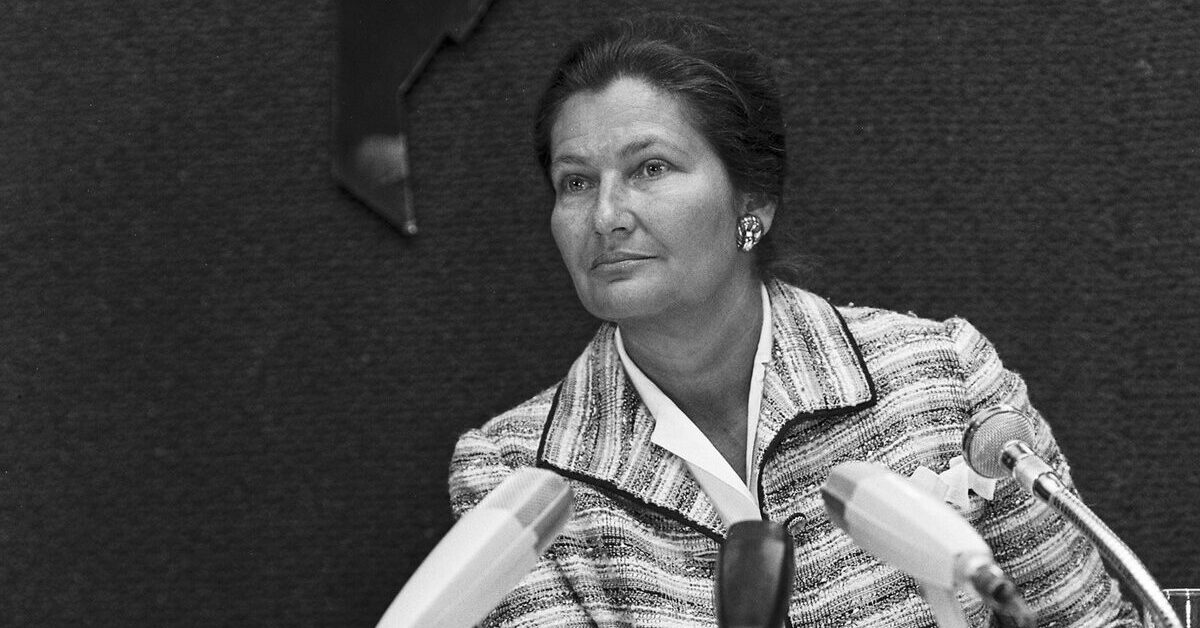
3. Simone Veil (1927–2017) – European Leadership
Simone Veil’s life is a testament to resilience, justice, and transformative leadership. Born Simone Jacob on July 13, 1927, in Nice, she was deported to Auschwitz at age sixteen, losing her father, mother, and brother during the Holocaust. Surviving the camps instilled in her a profound sense of duty toward humanity. Returning to France after World War II, she pursued law and political science, eventually entering the magistrature. Her most defining achievement came in 1974 in the role of Minister of Health, when she championed the legalization of abortion in France. The loi Veil not only transformed women’s autonomy but also symbolized a societal shift toward gender equality.
Veil continued breaking barriers, becoming the first female president of the European Parliament in 1979, and later a member of the Conseil constitutionnel. Her work promoted reconciliation between France and Germany and contributed to the development of a united Europe. Beyond politics, she became a moral exemplar in French society, advocating for remembrance of the Holocaust, human rights, and women’s social advancement. When she passed away in 2017, she was widely mourned, and in 2018, she and her husband were honored at the Panthéon. Simone Veil’s legacy demonstrates the power of courage, intellect, and moral conviction in reshaping both national and European histories.
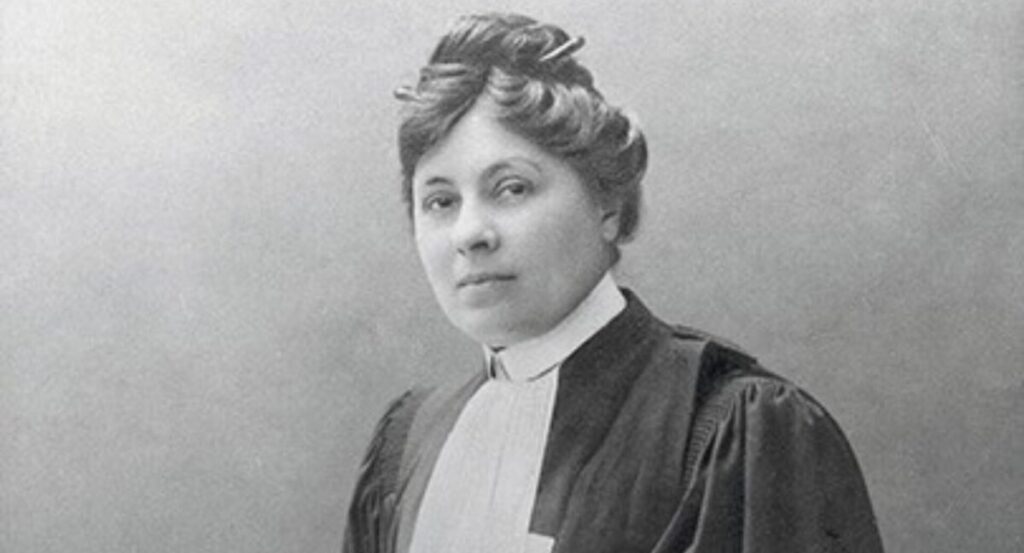
4. Jeanne Chauvin (1862–1926) – Trailblazing Lawyer
Jeanne Chauvin was a pioneer who shattered legal barriers for women in France. Born in Jargeau in 1862, she pursued higher education despite societal opposition, earning doctorates in philosophy and law. At a time when the legal profession excluded women, Chauvin tirelessly campaigned for their admission. In 1900, after proposing legislation advocating gender equality in legal practice, she became one of the first female lawyers in France. Her first courtroom appearance in 1901 marked the beginning of a career dedicated to fairness and justice.
Chauvin’s scholarly work examined the historical and religious roots of legal inequality, emphasizing the importance of women’s participation in public and professional life. She also taught law to young women, ensuring future generations could pursue legal careers. Throughout her life, she fought for marital and economic rights for women, demonstrating that legal advocacy could drive social change. By combining intellectual rigor with public action, Jeanne Chauvin transformed the legal landscape and opened doors that remain fundamental to gender equality in France today.
5. Julie-Victoire Daubié (1824–1874) – First Female Graduate in France
Julie-Victoire Daubié was the first woman in France to earn a baccalauréat (equivalent to a high school diploma) in 1861, a monumental achievement in a society that barred women from higher education. Born in Vosges, she initially faced rejection from universities that refused to admit women. Undeterred, Daubié persisted, ultimately winning academic competitions and gaining recognition for her essays on social and economic issues affecting women. She later became the first woman to earn a university degree, despite being excluded from classroom instruction.
Beyond her academic milestones, Daubié was a journalist and feminist activist, writing extensively about education, women’s political participation, and economic justice. Her advocacy inspired international attention, influencing feminist thinkers in England and the United States. She challenged cultural assumptions about women’s intellectual capacities and insisted on the necessity of equal educational opportunities. Daubié’s legacy lies in her demonstration that determination, intellect, and perseverance can overcome institutional barriers, opening pathways for women across generations.
6. Marguerite Durand (1864–1936) – Journalist and Feminist Activist
Marguerite Durand transformed journalism into a platform for social change. Initially an actress and journalist, she founded La Fronde in 1897, a newspaper entirely run by women, which covered politics, literature, and social issues. Through her writing and leadership, Durand advocated for women’s political rights, labor reform, and access to education. She used her platform to spotlight female pioneers across multiple fields, fostering public recognition for women’s contributions.
Durand also engaged directly in political activism, standing for legislative elections and challenging societal indifference to women’s participation. Beyond journalism, she created the first feminist documentation office in France, preserving historical records of women’s achievements. Her efforts ensured that women’s voices were heard, not only in newspapers but also in shaping public opinion and policy. Durand’s work exemplifies the use of media as a tool for empowerment, leaving an enduring impact on feminism and civic life in France.
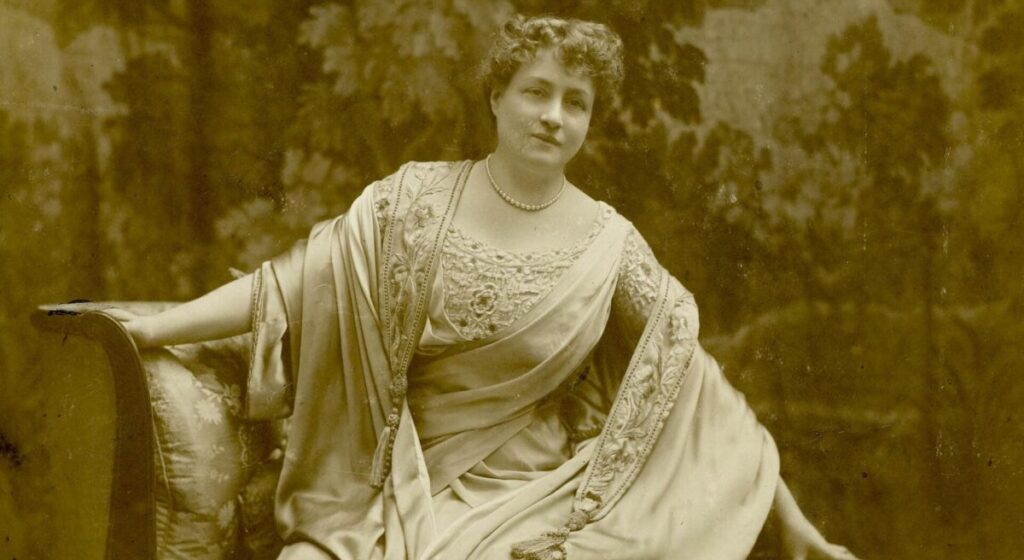
7. Louise Michel (1830–1905) – Revolutionary and Educator
Louise Michel, known as the “Red Virgin,” was an educator, revolutionary, and anarchist who fought tirelessly for social justice. Born in Haute-Marne, she opened schools in Paris and later became an active participant in the Paris Commune of 1871. Michel’s advocacy extended to workers’ rights, women’s emancipation, and educational reform, including efforts to provide girls with the same rigorous curriculum as boys.
Exiled to New Caledonia, Michel taught local Kanak children, studied their languages and customs, and championed their rights against colonial oppression. Upon returning to Paris, she continued political activism, founding publications and participating in rallies to advance women’s rights and social equality. Louise Michel’s fearless commitment to education, social reform, and feminist causes cemented her legacy as a revolutionary figure whose ideas still resonate in modern discussions of justice and equality.
8. Marie-Thérèse Geoffrin (1699–1777) – Salonnière and Cultural Patron
Marie-Thérèse Geoffrin, known as Madame Geoffrin, hosted one of the most influential literary salons of the French Enlightenment. Born in Paris, she used her wealth and social position to bring together philosophers, writers, scientists, and foreign dignitaries, fostering dialogue and the exchange of revolutionary ideas. Her salon became a hub for figures like d’Alembert, Diderot, and other luminaries, shaping intellectual discourse across France and Europe.
Geoffrin not only supported artists and thinkers financially, but also promoted discussions on social reform, education, and intellectual inquiry. She welcomed individuals from various social backgrounds, creating an inclusive space that encouraged innovation and debate. Her careful curation and patronage helped disseminate Enlightenment ideals widely, influencing cultural and philosophical thought long beyond her lifetime.
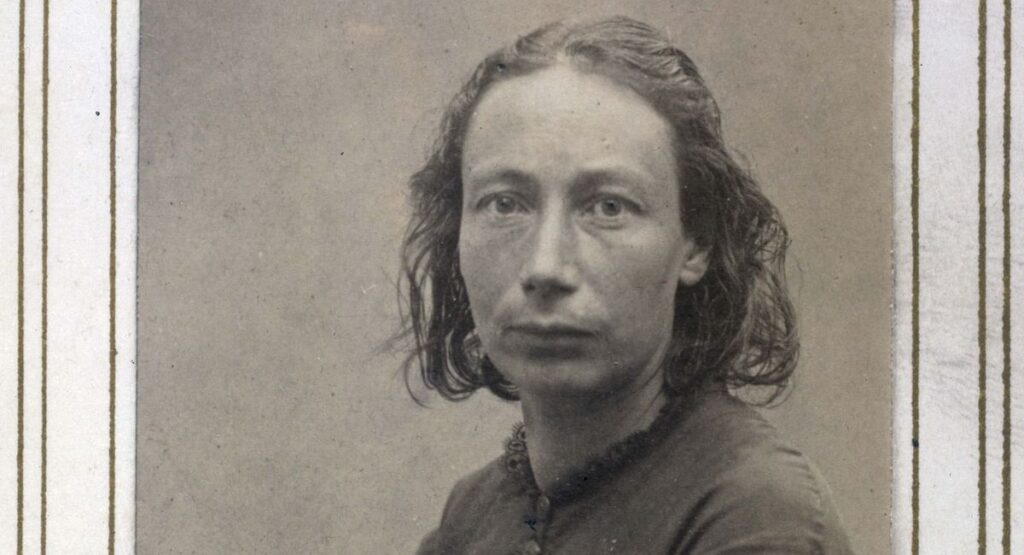
9. Jeanne Baret (1740–1807) – Explorer and Botanist
Jeanne Baret was the first woman known to circumnavigate the globe, disguising herself as a man to join Louis Antoine de Bougainville’s expedition in 1766. A skilled botanist, she assisted the naturalist Philibert Commerson in collecting and classifying thousands of plant species, including the bougainvillea. Her courage and intellect allowed her to navigate the perils of long sea voyages while contributing substantially to botanical science.
Baret’s efforts challenged gender norms and demonstrated women’s capacity for scientific exploration. After the voyage, she continued her work on the Isle of France (present-day Mauritius), sending extensive botanical collections back to France. In recognition of her contributions, she eventually received a royal pension from Louis XVI.
The Impact of Women on French History
These women, though sometimes hidden in history books, profoundly influenced society. Their courage, intellect, and vision continue to inspire generations worldwide, demonstrating that progress is shaped as much by determined women as by the men who often dominate historical narratives.
Valentine Marchou is a French journalist with a keen eye for culture, lifestyle, and society. After honing her skills in several French newsrooms, she now aims to tell stories that bridge French and English-speaking worlds through art, food, and everyday life.