
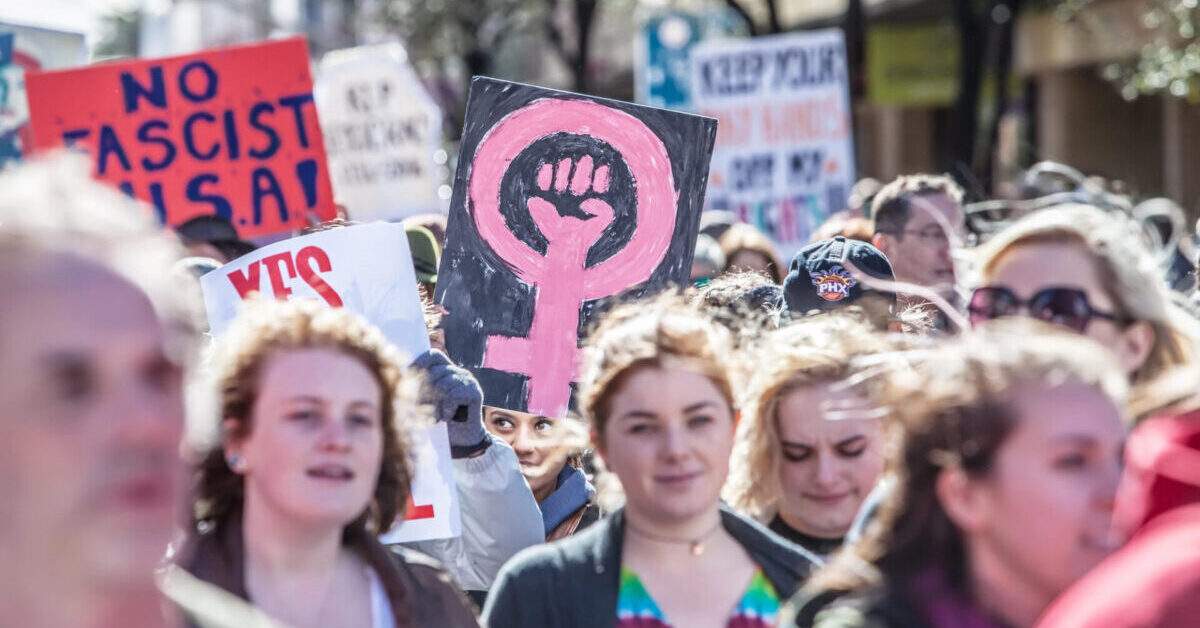
From the early stirrings of political thought to contemporary struggles over bodily autonomy and gender‑based violence, feminism in France has evolved through its own rhythms, inflections, and tensions. Unlike any singular movement or monolith, French feminism is a layered conversation—entangled with broader questions of secularism, state power, cultural norms, and historical memory. This long arc of advocacy reveals not only France’s contributions to feminist thinking, but also the contradictions and debates that animate it today.
At times celebrated internationally for its intellectual rigor, at others critiqued for its blind spots, French feminism resists easy categorization. Is it a philosophy, a politics of the street, a legal campaign, or something in between? In France, it has been all of these and more, shaped by waves of activism that have pushed the boundaries of what equality means in a society that prizes universal citizenship, yet struggles to erase gendered hierarchies.
To understand what makes French feminism distinctive, we must weave together its historical roots, its cultural inflection points, and the voices of French women—like Lise, Marie, and Isabelle—whose experiences reflect both enduring challenges and ongoing hopes.
Seeds of Feminism: From Revolution to Suffrage
The roots of French feminist thought stretch far back into the Enlightenment and Revolutionary era. Some of the earliest recorded calls for gender equality emerged during the French Revolution, most famously in the writings of Olympe de Gouges, whose Declaration of the Rights of Woman and the Female Citizen (1791) sought to extend revolutionary ideals to women—even as she was executed by guillotine for her audacity. Though she did not live to see her vision realized, her words continue to echo in the French feminist consciousness.
For much of the 19th century, feminist activism in France built itself slowly against resistant political structures. Publications such as Le Droit des femmes advocated for women’s legal and civil rights and helped shape a public vocabulary for feminist demands, even as the term itself was first used derisively in the 1870s before being reclaimed by activists in the 1880s.

But it was in the early 20th century that organized movements demanded political equality. Groups like the French Union for Women’s Suffrage pushed relentlessly for enfranchisement, a struggle that would take decades. France granted women the right to vote and stand for office only in 1944, after more than a century of suffragist activism; French women cast ballots for the first time in municipal elections on April 29, 1945.
This historic milestone marked both an achievement and a beginning. Isabelle, now in her 70s and reflecting on feminist change, describes a world where women’s roles were once tightly circumscribed: “Fifty years ago in France, there was no equality of sex at work—yet women began to assert authority. My own mother was barred from working while my father decided everything.” Her memories illustrate the unevenness of social change, wherein political inclusion did not immediately erase gendered hierarchies in everyday life.
The 1970s: Liberation and the Body as a Site of Struggle
The 1970s are often remembered as a transformative decade for French feminism. This was the era when the Mouvement de Libération des Femmes (MLF) emerged in 1970, inspired by global liberation movements and steeped in grassroots activism. Rejecting hierarchical structures and embracing decentralized forms of organization, the MLF challenged not only legal inequality but also cultural norms that shaped women’s lives.
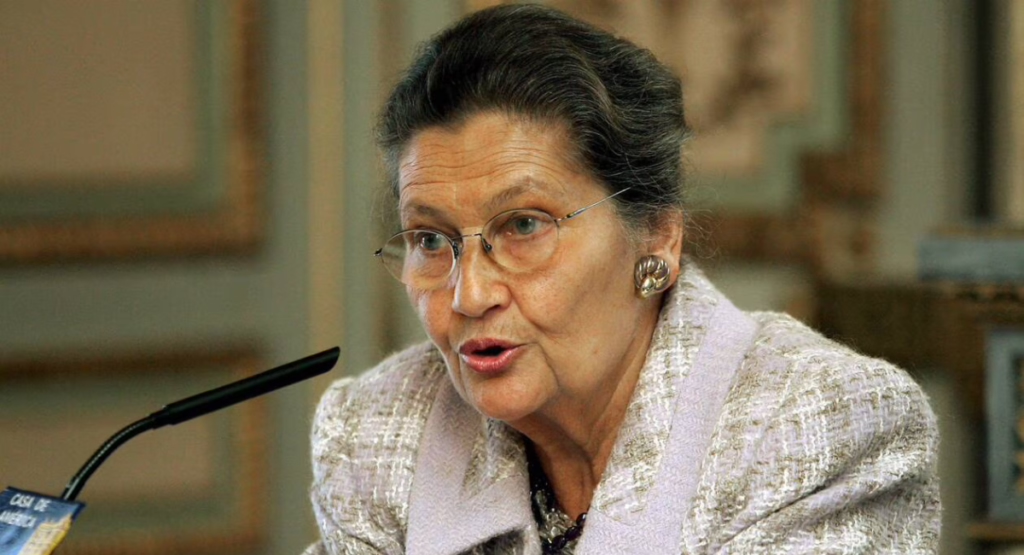
Central to this period was the fight for reproductive autonomy. In 1971, the Manifesto of the 343—a bold public declaration signed by hundreds of women who admitted to having had illegal abortions—shocked the public and directly challenged French law. This campaign helped pave the way for the 1975 Veil Law, led by Health Minister Simone Veil, which legalized abortion in France.
Veil herself became a symbolic figure. A Holocaust survivor, parliamentarian, and tireless advocate for women’s health, she confronted virulent opposition—including personal, sexist, and anti‑Semitic attacks—before the law was passed. Her success transformed reproductive rights in France and made bodily autonomy a core feminist demand.
Lise, a 24‑year‑old student, sees the legacy of these struggles in her generation’s sense of agency: “French feminism to me is about claiming space publicly—daring to laugh loudly in a bar, wear what you want, and still demand to be heard. We are freer than before, not forced into extremes, and I am proud of that.” Her words reflect the confidence of a cohort for whom feminist debates are both personal and collective.
Icons and Controversies: The Case of Brigitte Bardot
French feminism has also been shaped by cultural icons whose relationship to the movement was complex and sometimes contradictory. Brigitte Bardot, the cinematic star of And God Created Woman, embodied a new image of female sexuality in the 1950s and 1960s. She declared, “I became the symbol of women’s freedom, of sexual freedom,” even as she rejected the feminist label. Bardot’s own quotes reveal her ambivalence: “Feminism isn’t my thing,” she said in a 2025 interview, suggesting that women could liberate themselves without aligning with suffragist or liberation movements. Yet she also supported legalized abortion and became the first female figure used as a direct model for the Marianne bust—the republican symbol of French liberty.
In later years, Bardot’s public statements have stirred significant controversy. Despite being celebrated as a symbol of sexual liberation in her youth, she frequently clashed with contemporary feminist movements and the LGBT+ community. During the #MeToo era, she dismissed actresses speaking out about sexual harassment as “hypocritical, ridiculous, uninteresting,” suggesting that some women exaggerated experiences of harassment to gain attention. She claimed that in her own career, being complimented on her appearance was “charming” rather than harmful, reflecting a personal view sharply at odds with the growing feminist discourse on workplace misconduct. Bardot also publicly defended figures accused of sexual assault and rape, including Roman Polanski, Nicolas Bedos, and Gérard Depardieu.
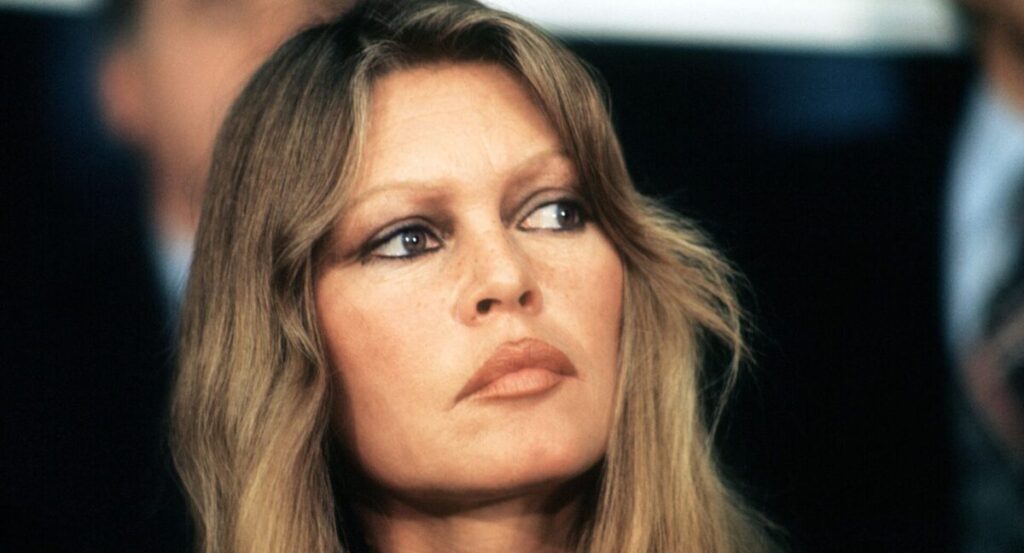
Her trajectory highlights a broader tension in French society about feminist identity: can someone embody aspects of liberation while resisting collective movements? Bardot’s cultural imprint underscores how feminist symbols in France can be not only celebrated but also contested.
#BalanceTonPorc and the French #MeToo Moment
The global spread of #MeToo in 2017 found a distinct French inflection in the viral hashtag #BalanceTonPorc (roughly, “Expose Your Pig”), launched by journalist Sandra Muller. Unlike some iterations that avoided naming individuals, this French hashtag invited women to share specific accounts of sexual harassment they had experienced—including the name and details about their assailant. This explosion of testimony rippled across sectors: media, culture, politics, academia, sports, and beyond.
The impact was immediate. Police and judicial authorities saw spikes in reports of sexual violence, a sign that women’s willingness to speak was, in itself, a form of activism. At the same time, debates surfaced about due process and the boundaries of public accusation—a tension familiar in French republican discourse, which often prizes individual rights alongside collective accountability.
Marie, a 52‑year‑old artisan, acknowledges the resurgence of feminist activism since #MeToo, but also expresses discomfort with what she sees as its excesses: “Feminism in France has become very popular, especially among the young. But this ultra‑combative tone makes some women feel excluded. We’re fighting for equality in pay and power, not a war against men.” Her perspective points to a vibrant debate within feminism itself—one between those who embrace radical challenges to systems of power and those who seek more inclusive, incremental approaches.
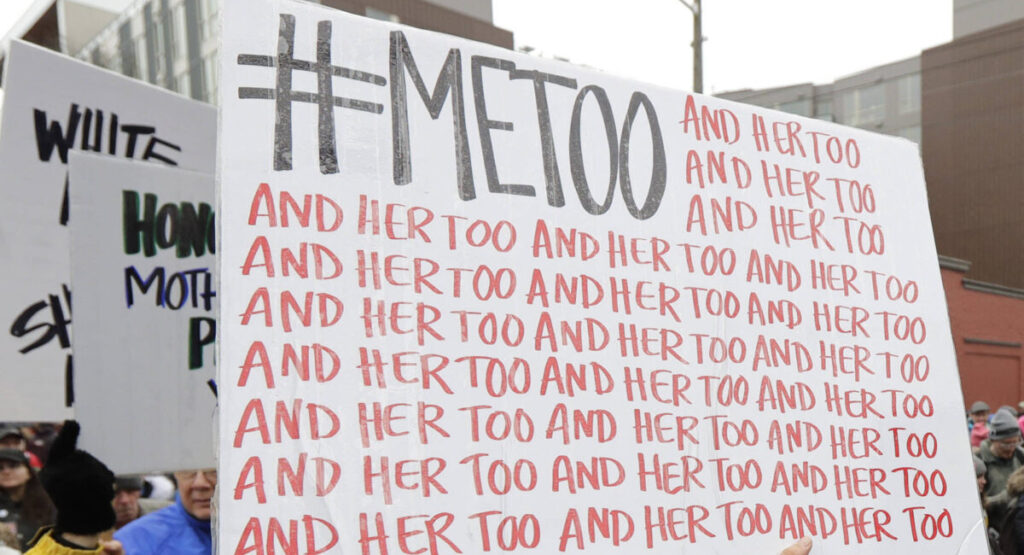
Even as public debates unfold, polls suggest that French society broadly supports survivors and recognizes the insufficiency of current legal protections around sexual violence. This context of social reckoning reflects French feminism’s dual commitment to both cultural transformation and legal accountability.
A Trial That Echoed Across a Nation: The Mazan Case
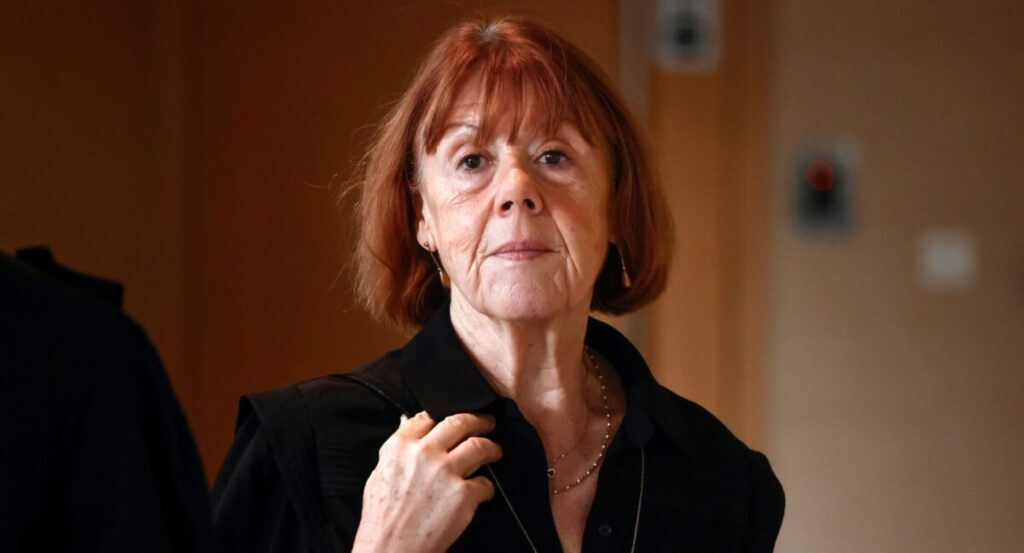
Arguably no recent event has crystallized the intersection of feminist advocacy, public consciousness, and legal reckoning like the Mazan rape trial. Beginning in late 2024, this extraordinarily disturbing case involved a woman—Gisèle Pelicot—who was drugged by her husband and repeatedly raped by numerous men over the course of nearly a decade, with many of the assaults recorded and cataloged. At trial, 51 men were convicted, and Pelicot chose to have hearings in public, insisting that “shame should change sides.”
The trial’s emotional force lay not only in its astonishing details but in its social resonance. Feminist associations gathered outside courthouses, celebrating Pelicot’s courage while critiquing what some saw as lenient sentencing. Dominique Pelicot received the maximum sentence of 20 years’ imprisonment, while other defendants were sentenced from two to 15 years for rape, and one year for sexual assaults. Advocates called for clearer legal definitions of consent and more robust protections—issues at the heart of feminist reform efforts in France.
Lise participated in demonstrations during the Mazan demonstrations, and her reflections capture the mixed nature of this moment: “The trial had a huge effect. Women’s voices were liberated, but some men felt threatened and defended men’s rights instead. It reignited debates about masculinity—but women are speaking louder about violence they’ve endured.”
The Mazan case thus stands as a symbol of how French feminism today confronts not only individual criminals but a broader culture that has historically normalized or minimized violence against women. The public debate it generated shows the extent to which feminist activism in France now operates at the intersection of law, media, and social consciousness.
Generational Shifts and Ongoing Debates
One of the distinct features of French feminism is how it varies across generations. Isabelle sees palpable progress over decades: “There’s more equality in authority now. In families, new fathers share domestic tasks. Women today have opportunities my generation couldn’t dream of.” Yet she also points to persistent gaps—unequal pay, unequal access to power, the weight of domestic labor—suggesting that the struggle for equality is now woven into daily life as much as public policy.
For Marie, the current landscape feels both powerful and polarizing—a feminism that has drawn attention but also sparked backlash and confusion. For Lise and her peers, the movement is living and present in everyday acts: intervening in harassing situations, recentering women’s voices, and demanding institutional change.
Across these generational experiences, a pattern emerges: French feminism is not static. It shifts in response to political developments, cultural debates, and legal battles. It is a conversation that encompasses the right to vote, the right to control one’s body, and the right to safety and dignity.
Voices, Victory, and the Road Ahead
So what makes French feminism different?
It is a movement rooted in history and thought, one that has fought both in the halls of parliament and on the streets, unafraid of complexity, contradiction, or self-critique. French feminism continually negotiates between universal ideals and lived realities, expanding boundaries from political rights to bodily autonomy, social recognition, and cultural transformation.
Feminism in France is never a monolith. It is debated, contested, and reshaped across generations and contexts. It celebrates legal victories and cultural reckonings, while insisting that equality is both structural and personal. As Lise puts it: “Being feminist isn’t just about laws or marches—it’s about taking up space every day, daring to be seen, daring to speak, daring to insist that our voices matter.”
In that insistence lies resilience and renewal. As France continues to confront questions of gender, power, and justice, French feminist discourse remains a defining force, shaping not only law and policy but the very ways women claim their place in society.
Valentine Marchou is a French journalist with a keen eye for culture, lifestyle, and society. After honing her skills in several French newsrooms, she now aims to tell stories that bridge French and English-speaking worlds through art, food, and everyday life.


