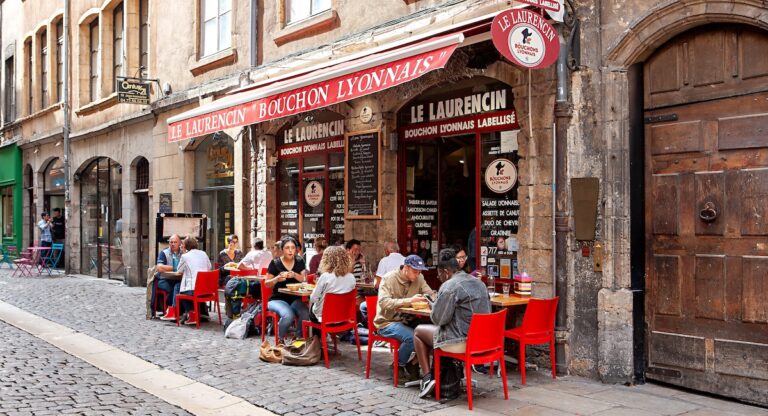
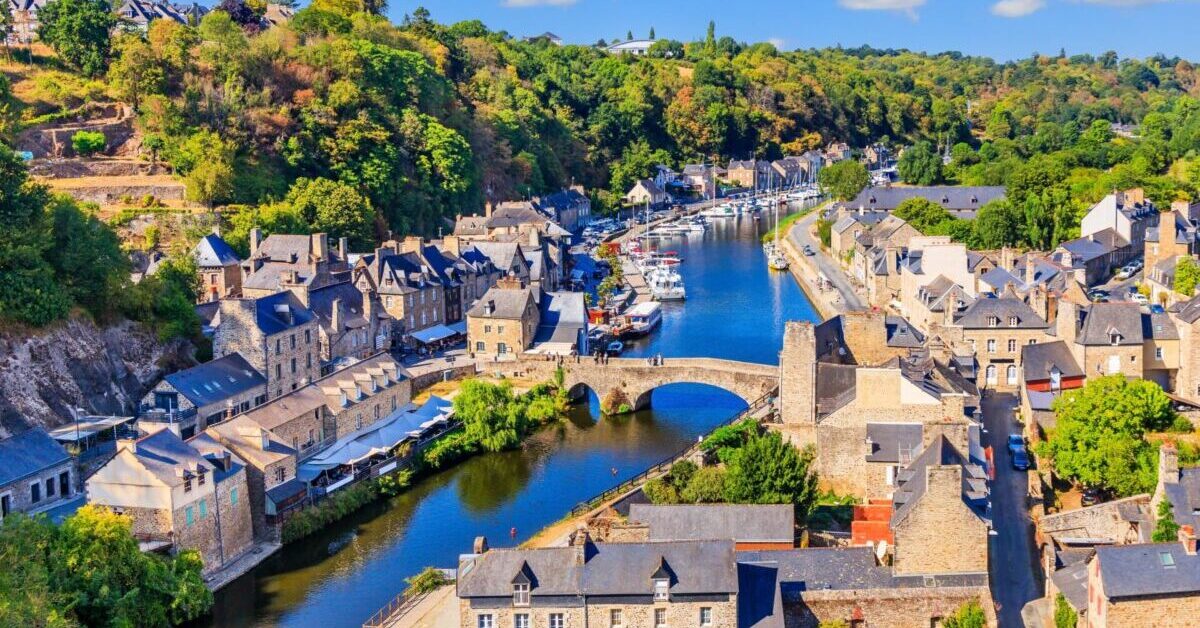
On a late July afternoon in Marseille, the air feels heavy enough to slow conversation. Shutters are half closed, sidewalks shimmer, and even the sea breeze seems reluctant to move inland. At the same moment, more than 600 miles away, Saint-Malo is sitting under a soft Atlantic sky at a comfortable 73°F. People are walking the ramparts, eating oysters outdoors, and debating whether a light sweater might be necessary after sunset.
This contrast captures a quiet but accelerating shift in French summer behavior. As heatwaves become more intense, arrive earlier, and last longer, many travelers are beginning to rethink what a “good summer vacation” actually means. Increasingly, the answer is no longer the Côte d’Azur or Provence, but instead Brittany, Normandy, the Jura, or the Alps.
Across France, a new geography of desire is emerging, shaped less by postcard fantasies than by temperature forecasts.
The Rise of the “Coolcation” in France
The term “coolcation” has moved from niche travel jargon to mainstream European trend. It describes a growing preference for destinations with milder summer temperatures, lower humidity, and more breathable environments.
Initially observed in Northern Europe, particularly in Scandinavia and the Baltic region, the trend is now firmly visible within France itself. Travelers are increasingly selecting destinations where summer highs remain closer to the low 70s rather than pushing into the 90s or beyond.
What makes the French case particularly striking is that this shift is happening inside a country long defined by its Mediterranean summer myth. For decades, the ideal French holiday meant heat, brightness, and crowded beaches along the Riviera. Today, that equation is being rewritten in real time.
When Heatwaves Become the New Normal
The backdrop to this transformation is simple but powerful: high temperatures are no longer abnormal in France.
Recent years have brought record breaking temperatures across the country, including unusually early heatwaves affecting regions that were once considered temperate. Cities such as Brest and La Rochelle have increasingly crossed thresholds that were rare a decade ago, while southern regions regularly approach or exceed 100°F during peak summer periods.
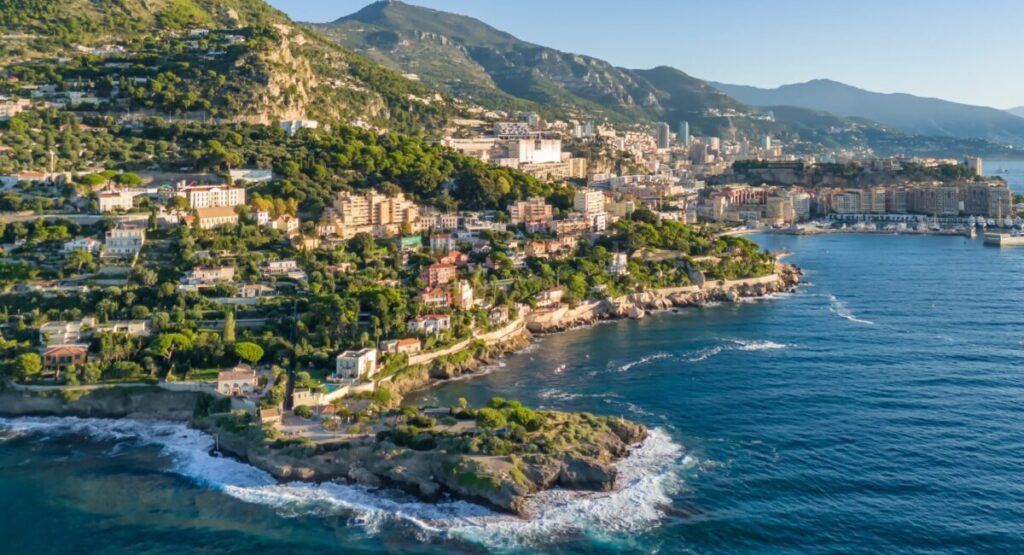
Public health authorities have also expanded heat alert systems in response to these shifts, reflecting a broader recognition that extreme heat is no longer an occasional disruption but a recurring seasonal reality.
For travelers, this changes everything. Summer is no longer automatically synonymous with comfort. It can mean disrupted sleep, limited outdoor activity, wildfire risk in southern regions, and a level of physical fatigue that reshapes even short holidays.
The Riviera Paradox: When the Dream Becomes the Problem
For the South of France, the current moment is paradoxical. The Côte d’Azur and Provence remain iconic, but they are increasingly strained by two overlapping pressures: heat and overcrowding.
In peak summer, inland temperatures regularly climb into ranges that make afternoon activity difficult or even unsafe for vulnerable populations. Nights remain warm, offering little relief. Meanwhile, beaches, coastal roads, and historic towns experience intense congestion.
Overtourism adds another layer. Popular destinations face rising housing costs driven by short term rentals, traffic bottlenecks, and a general sense of saturation during the summer months.
What was once a symbol of effortless Mediterranean pleasure is now, for many French travelers, associated with heat management, logistics, and fatigue.
The result is not total abandonment, but rescheduling. Travelers are not necessarily rejecting the South entirely, but are instead choosing to spend time there outside of the peak summer season.
Brittany: The New Summer Anchor
Among the destinations benefiting most from this shift, Brittany stands out as the clearest winner.
With summer temperatures often hovering in the 68–77°F range, the region offers something increasingly rare in Europe: consistency. The coastline is dramatic, shaped by wind, tides, and shifting light rather than shimmering heat.
Saint-Malo, in particular, has become emblematic of this new preference. Its fortified walls, maritime air, and strong identity offer a different kind of summer luxury.
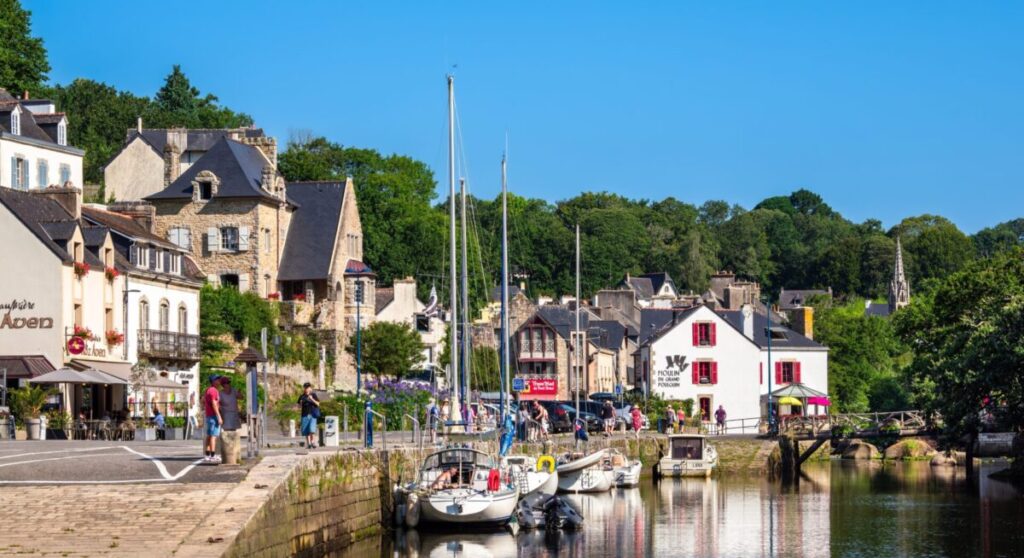
Further west, places like Crozon or Belle-Île embody a more rugged version of the same appeal: hiking trails, hidden beaches, and a sense of Atlantic openness that contrasts sharply with the density of the Mediterranean coast.
What is notable is not only the climate, but the perception shift. For years, Brittany was framed domestically as “too gray” or “too windy” for summer perfection. Today, those same qualities are increasingly reframed as advantages.
Normandy: A Green Escape Close to Paris
Normandy has also quietly repositioned itself as a summer alternative, particularly for Parisians seeking short escapes.
Its appeal lies in proximity, accessibility by train, and a climate that remains relatively moderate even during national heat spikes. Coastal towns such as Honfleur, Deauville, and the Cotentin Peninsula offer a mix of seaside landscapes, cultural heritage, and cooler Atlantic air.
The region also benefits from a different rhythm. Holidays here tend to be slower, shaped by cycling routes, coastal walks, seafood markets, and small-scale tourism rather than high density resort culture.
In the context of rising temperatures elsewhere, Normandy is increasingly perceived not as an alternative plan, but as a default option.
The Jura: France’s Quiet Climate Refuge
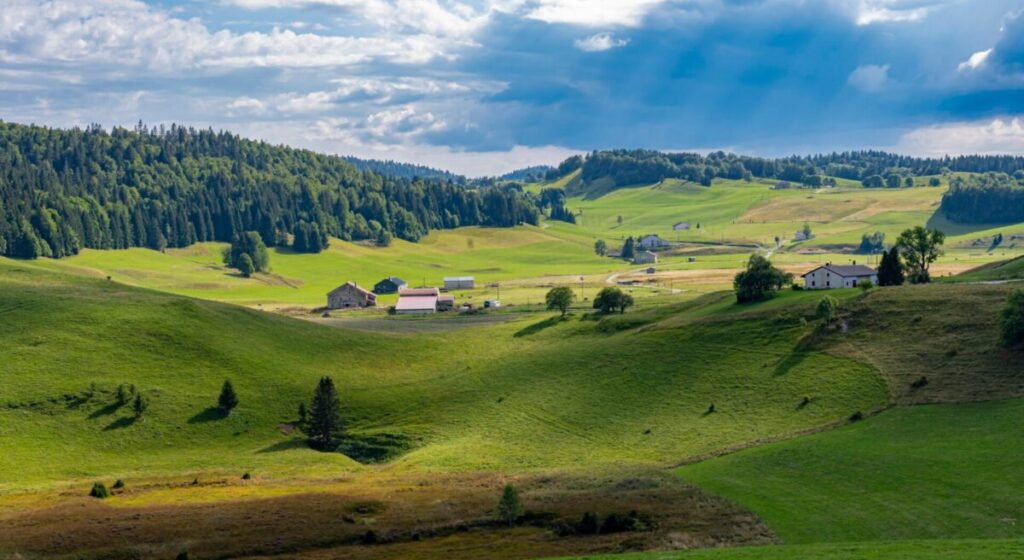
If Brittany and Normandy represent well-known, but low-key retreats, the Jura represents something more unexpected: a climate refuge hiding in plain sight.
Located in eastern France, the Jura mountains offer dense forests, clear lakes, waterfalls, and consistently cooler summer conditions than most lowland regions. Unlike the Alps, the region remains relatively undiscovered by international tourists. Relaxed holidays here might include swimming in Lac de Chalain, cycling down quiet roads, or visiting local cheese producers, instead of dodging tourists to get a glimpse of major attractions.
For travelers seeking distance from heat, crowds, and commercialized tourism, the Jura is increasingly seen as one of France’s most understated summer assets.
The Alps: Reinventing Summer at High Altitudes
The French Alps are undergoing their own transformation. Historically defined by winter sports, many Alpine regions are now repositioning themselves as summer destinations.
Places like Annecy and Chamonix attract visitors to charming towns surrounded by rich nature. Lakes offer swimming opportunities with mountain backdrops, while hiking, cycling, and paragliding define the seasonal experience.
This shift is also economic. As snow reliability decreases in winter, Alpine towns are investing more heavily in summer tourism infrastructure. The result is a growing year round economy built increasingly around cool, high altitude summers.
The Train Effect: Slower, Cooler, Closer
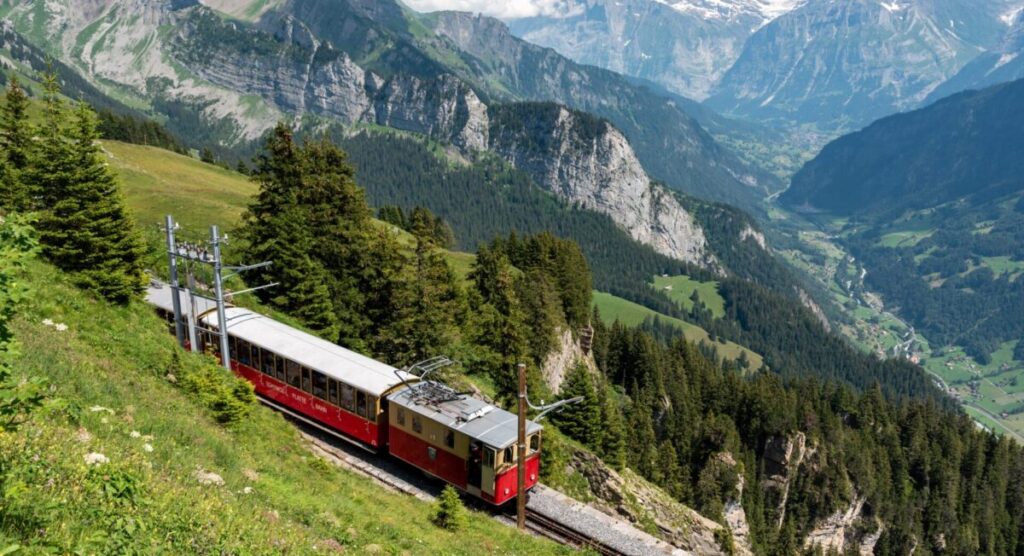
One of the most important but less discussed drivers of this trend is transportation, since the rise of coolcation travel in France is closely linked to rail connectivity.
TGV routes from Paris to Brittany, Normandy, the Alps, and parts of southwestern France make cooler destinations accessible without flights. This reinforces a broader behavioral shift toward shorter, more frequent domestic trips rather than long haul summer escapes.
The contrast is becoming symbolic: air travel paired with heat and congestion versus train travel that allows you to appreciate the gradual transitions between landscapes.
A Psychological Shift in What Summer Means
Beyond geography and infrastructure, something more subtle is changing: expectations.
For generations, the ideal summer vacation in France meant sun exposure, heat, and visible signs of tanning. Increasingly, that definition feels outdated.
Today, shade is desirable. Fresh air is a luxury. Cooler nights are a feature, not a compromise.
In this sense, French travelers are not simply changing destinations. They are changing what they expect from summer itself.
A New Map of French Summer
The French Riviera is unlikely to disappear from the cultural imagination. It remains powerful, cinematic, and deeply embedded in global perceptions of French summer life.
But its monopoly on the season is clearly weakening.
From Brittany’s Atlantic winds to the Jura’s forests, from Alpine lakes to Normandy’s cliffs, a new summer geography is taking shape. It is cooler, quieter, and increasingly aligned with climate reality rather than nostalgia.
The shift is not just about comfort. It is about adaptation.
Valentine Marchou is a French journalist with a keen eye for culture, lifestyle, and society. After honing her skills in several French newsrooms, she now aims to tell stories that bridge French and English-speaking worlds through art, food, and everyday life.