Perched along Brittany’s rugged Côte d’Émeraude in northwestern France, Saint-Malo—affectionately called the “Pearl of Brittany”—is a city shaped by tides, maritime history, and everyday coastal pleasures. Once home to bold corsairs who sailed the Atlantic, it still carries a spirit of salt-sprayed adventure, felt in sunrise walks along the remparts, quiet moments in the intra-muros lanes, and evenings spent over seafood and crisp cider. This guide gathers the city’s essential experiences, from historic streets to sweeping beaches and local flavors, to help you fully explore Saint-Malo.
The Top Things to Do in Saint-Malo
The Ramparts and Intra Muros
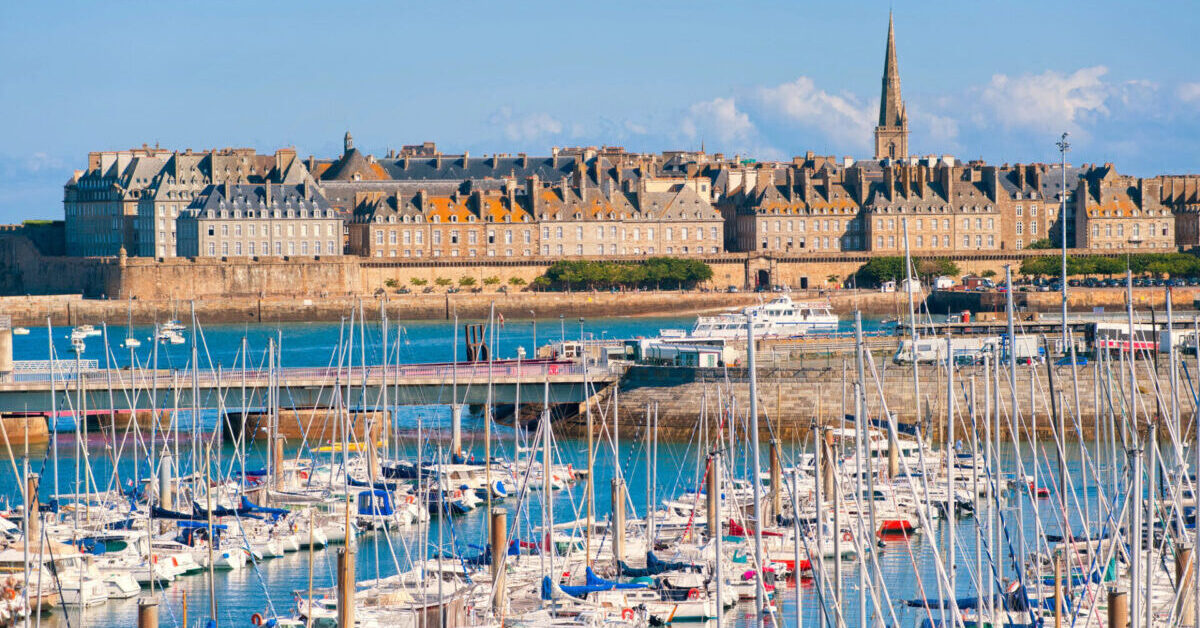
No introduction to Saint-Malo is complete without a stroll along the ramparts. These granite walls, rebuilt and reinforced over centuries, encircle the intra muros, the historic heart of the city by the port. The nearly two-kilometer (1.2 miles) circuit offers sweeping views of the Atlantic, the Fort National, and the distant Grand Bé. Walking the ramparts is like pacing the city’s memory: narrow streets below hide cafés, boutique shops, and layers of architectural history. Start at Porte Saint Thomas for spectacular vistas, then meander past bastions and towers that frame the sea. Hidden courtyards and the Rue du Chat qui Danse invite exploration, while legends and local stories give every corner a hint of enchantment.
Grande Plage du Sillon
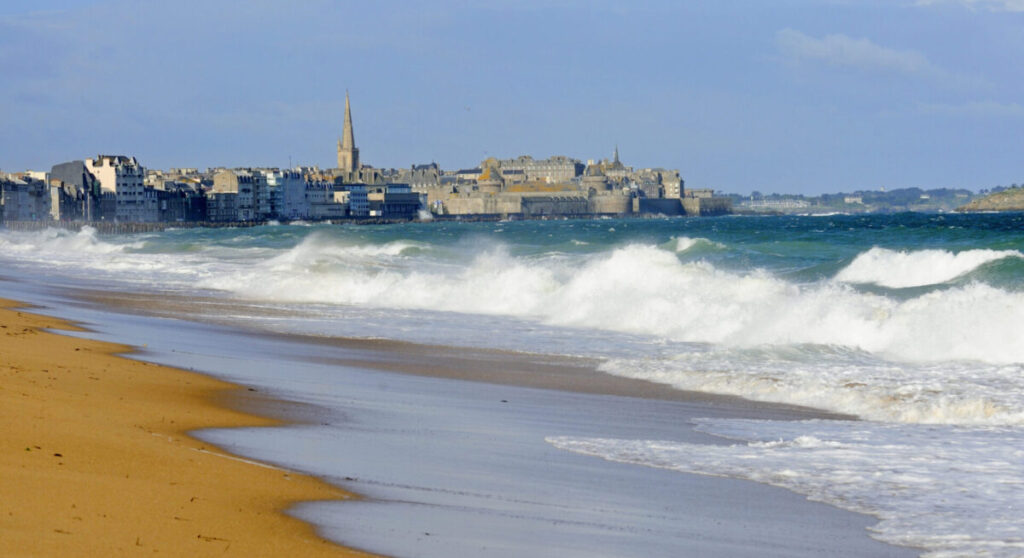
Grande Plage du Sillon stretches almost three kilometers (1.85 miles) along the city’s northwest edge, forming Saint-Malo’s iconic sandy expanse. At low tide, wet sand opens a vast playground for walkers, kite surfers, and families hunting for shells. The beach is bordered by a stone seawall and, in some areas, a promenade lined with stately villas dating from the 19th century. Mornings offer crisp solitude, while golden light in the late afternoon casts dramatic shadows. Summer brings locals and visitors alike with towels, boards, and windsurfing gear, turning the beach into a lively scene. With its vast horizon and tidal rhythms, the Sillon embodies the city’s coastal spirit and is essential for anyone wanting a classic Saint-Malo experience.
The Beaches Around the Bay
Saint-Malo’s coastline offers a collection of smaller beaches that complement the grandeur of the Sillon. Plage de Bon Secours, tucked beneath the ramparts, is perfect for picnics and quiet seaside moments. Plage du Môle features tidal pools and calmer waters ideal for summer swimming, while additional coves near Rothéneuf and Minihic provide variety for walkers and photographers. Each beach has its own character: some are open expanses, others intimate stretches framed by rocky outcrops. Exploring these shorelines gives a fuller sense of the bay’s geography, the tidal drama of the Atlantic, and the way locals engage with each part of their waterfront, from sports to leisurely sunbathing or casual strolls along the sand.
Fort National
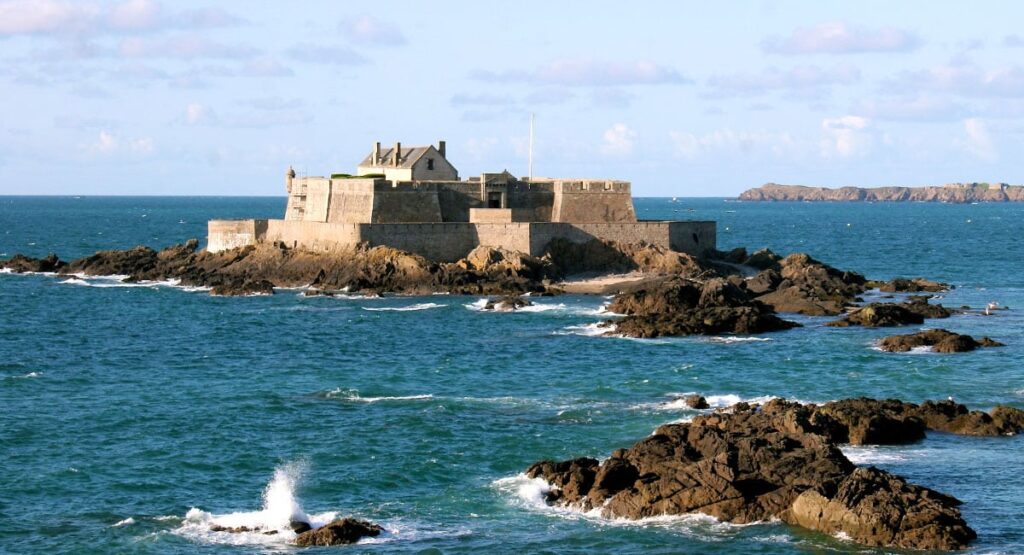
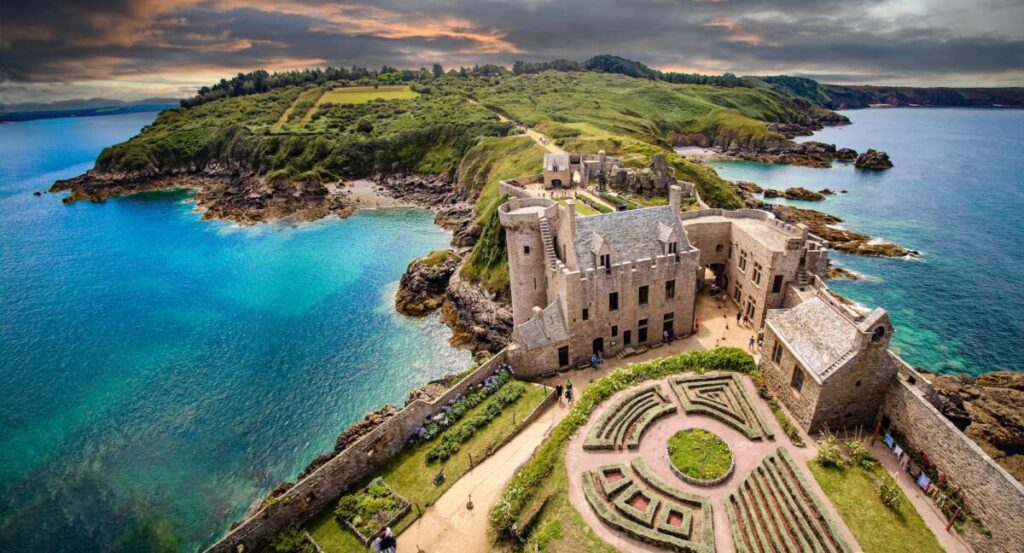
Fort National stands on a small rocky islet just offshore, constructed in 1689 to defend Saint-Malo’s harbor. Accessible only at low tide, the granite fort’s bastions and chambers showcase centuries of military design and strategy. Guided visits illuminate its history, notably its 18th-century role as a defensive stronghold protecting the harbor from naval attacks and privateer raids, while also highlighting its close relationship with the surrounding tidal landscape.
From the upper ramparts, visitors can look back at the city walls and across the bay, feeling suspended between land and sea. The ebb and flow of tides create a shifting environment, enhancing the sense of maritime drama. Visiting Fort National is both a historical lesson and an atmospheric experience that connects Saint-Malo’s urban center with its maritime defenses. Adult tickets are priced at €5, while children and teenagers aged 6-16 pay €3, and entry is free for those under six years old.
Petit Bé and Grand Bé
Just beyond Fort National, Petit Bé and Grand Bé rise from the sands at low tide. Petit Bé hosts a 17th-century fort built to guard the city, its walls and bastions offering exploration and stunning views of the Atlantic and city beyond. Grand Bé is quieter, with windswept grassy paths leading to the grave of François-René de Chateaubriand, the Saint-Malo–born writer and diplomat widely regarded as a founding figure of French Romanticism; he chose this isolated resting place so he would face the sea that shaped his imagination, making the site one of the city’s most poetic landmarks.Timing is essential: the sand corridor connecting the islands to the city disappears quickly as the tide rises. But the blend of solitude, panoramic vistas, and sound of the surf makes these tidal islands unforgettable additions to a Saint-Malo itinerary.
Cathédrale Saint Vincent
Amid the old town’s activity, Cathédrale Saint Vincent offers a reflective contrast. Dating back to the 12th century, it combines Romanesque and Gothic architecture, with vaulted ceilings, sculpted stone, and luminous stained glass. Visitors can admire intricate details in the cathedral’s chapels and arches, tracing the city’s evolution through architecture. For travelers, a slow walk through its nave and side aisles offers an enriching complement to the bustling ramparts and nearby beaches, grounding the city’s maritime energy in enduring stone.
Tour Solidor
Across the Rance River in Saint-Servan, the triple-tower Tour Solidor dominates the estuary. Built in 1382, it once controlled maritime traffic and later served as a prison. Its rounded towers, rising from tidal flats, remain visually striking, making it a favorite for photographers and history enthusiasts. The museum once housed inside presented the story of sailors navigating the perilous Cape Horn trade route, but it is no longer currently on display: the Musée international du Long-Cours Cap-Hornier closed in 2019 as part of a project to regroup and better preserve Saint-Malo’s maritime collections, which are now being relocated and reorganized for future exhibition.
Even without the museum, the fortress conveys centuries of maritime vigilance. The surrounding waters and shifting tides enhance the sense of historical drama. Visitors can enjoy views of the river and estuary while imagining the tower’s long-lived strategic importance, connecting Saint-Malo’s defenses to the natural flow of water. Adult admission costs €6, while children aged 8-18 pay €3, and entry is free for those under eight years old.
Les Rochers Sculptés at Rothéneuf
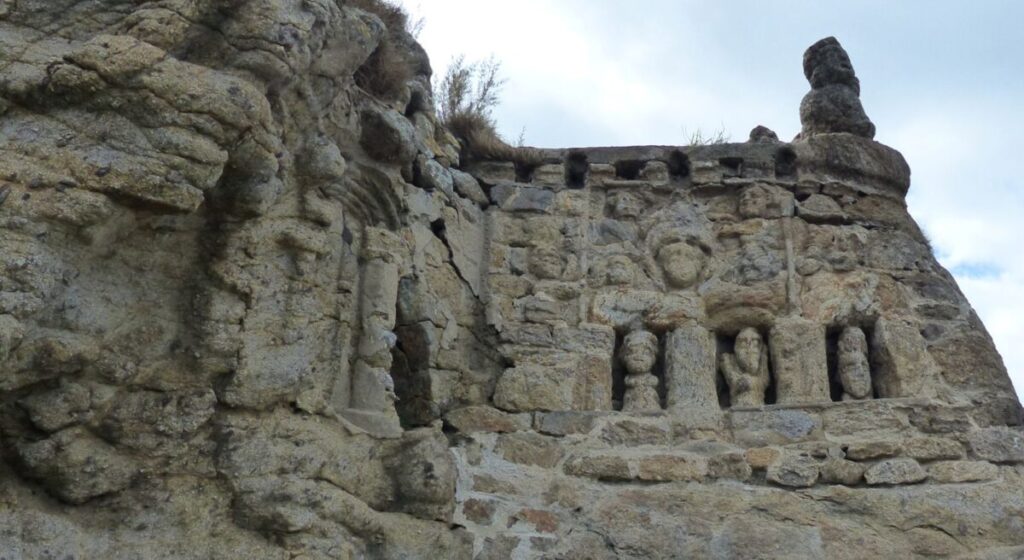
About five kilometers (3.1 miles) northeast of the city, Les Rochers Sculptés transforms the granite coastline into an open-air gallery. Father Adolphe Julien Fouéré carved faces, figures, and abstract forms across the rocks from the late 19th to early 20th century. Unlike at a traditional art museum, here the sculptures are fully integrated with the environment, their weathered surfaces and windswept positions forming a dynamic outdoor exhibition. Paths allow close observation of each carving, while light shifts dramatically with the sun and clouds, and the site tells stories of Breton life, local figures, and folklore.
Grand Aquarium Saint Malo
Grand Aquarium Saint-Malo hosts over 11,000 marine animals across 600 species. Since opening in 1996, it has offered visitors immersive marine experiences, from coral and temperate tanks to touch pools and the “Nautibus” submarine ride. Children and adults alike enjoy close encounters with sharks, rays, and crustaceans, along with exhibits illustrating regional ecosystems and conservation issues. The aquarium is large enough to fill a half-day visit, and interactive features and informative displays make it suitable for families, marine enthusiasts, or anyone seeking to deepen their understanding of the waters surrounding Brittany. Adult tickets are €19.90, children aged 4-12 pay €13.50, and admission is free for children under four years old.
Cité d’Alet and Estuary Walks
Across the estuary near Saint-Servan, the Cité d’Alet combines natural beauty with layers of history. Roman-era walls, cathedral remnants, and World War II bunkers dot the green spaces along the Rance. Trails offer shaded walking paths, quiet picnic spots, and sweeping views of river and ocean. From this vantage, the forts on nearby islands can be seen, framing Saint-Malo’s maritime defense system.
Boat Excursion in the Bay of Saint-Malo
No visit to Saint-Malo is truly complete without a boat excursion. Departing from the heart of the city, you can explore the surrounding coastline, including the Bay of Mont-Saint-Michel, Cancale, or the dramatic cliffs of Cap Fréhel. The experience allows you to admire Saint-Malo’s fortified walls from the sea, watch the tides sweep across vast sandbanks, and glimpse the smaller islands scattered offshore. Trips generally last around an hour, with prices starting at approximately €25 per person. The salty breeze, glinting sunlight on the waves, and panoramic views of the city and surrounding landscapes make this outing a quintessential Saint-Malo experience.
Pointe de la Varde
Located in the Rothéneuf district, the Pointe de la Varde is a rugged rocky promontory offering some of the most breathtaking views over Saint-Malo and its bay. The site is rich in natural beauty, with coastal vegetation, seabirds, and tidal pools to discover, while also preserving remnants of World War II fortifications, including bunkers and blockhouses. A path guides visitors safely through the site, which rises 105 feet above the water, providing sweeping vistas of the coastline. The area is protected and maintained by the Conservatoire du littoral, allowing nature and history to coexist. Visitors are encouraged to respect the paths and take their time to soak in both the dramatic landscape and the wildlife.
La Digue de Rochebonne and its Villas
For a blend of seaside strolls and architectural admiration, head to La Digue de Rochebonne. Stretching over 1.6 kilometers (0.6 miles), this walkway runs alongside the long sandy Plage du Sillon, bordered by elegant villas from the late 19th century. Some houses are painted in cheerful pastel colors, while others feature exposed timber beams or natural stone façades. Walking this path, you feel the rhythm of the tides on one side and the serene charm of Saint-Malo’s residential coast on the other. The digue is free to explore and perfect for a leisurely one-to-two-hour stroll, with opportunities to pause on benches, admire the sea, and photograph the distinctive coastal architecture.
Château de Saint-Malo
At the edge of the intra-muros district, the Château de Saint-Malo rises above the Grande Plage du Sillon. Dating back to the 15th century, the pentagonal castle features four towers and historically served as a defensive stronghold. Today, it houses the city’s municipal offices and offers exhibitions detailing the rich history of Saint-Malo and its maritime heritage. Visitors can wander through the courtyards, marvel at the stone walls, and glimpse views of the surrounding beaches. Entrance fees are around €8 for adults and free for children aged 6-18. The castle is particularly photogenic at sunset, when the granite walls glow against the soft light over the bay.
Where to Eat in Saint-Malo
La Fourchette à Droite
La Fourchette à Droite focuses on bistronomic cuisine with seafood and fresh fish at the forefront. The menu changes seasonally, highlighting local ingredients sourced directly from nearby producers. Desserts are made in-house, and the cozy yet refined setting makes it perfect for a leisurely lunch or relaxed dinner. The attentive staff ensures every dish delights both the eyes and the palate, giving visitors a true taste of Saint-Malo’s coastal flavors.
Le Comptoir Breizh Café
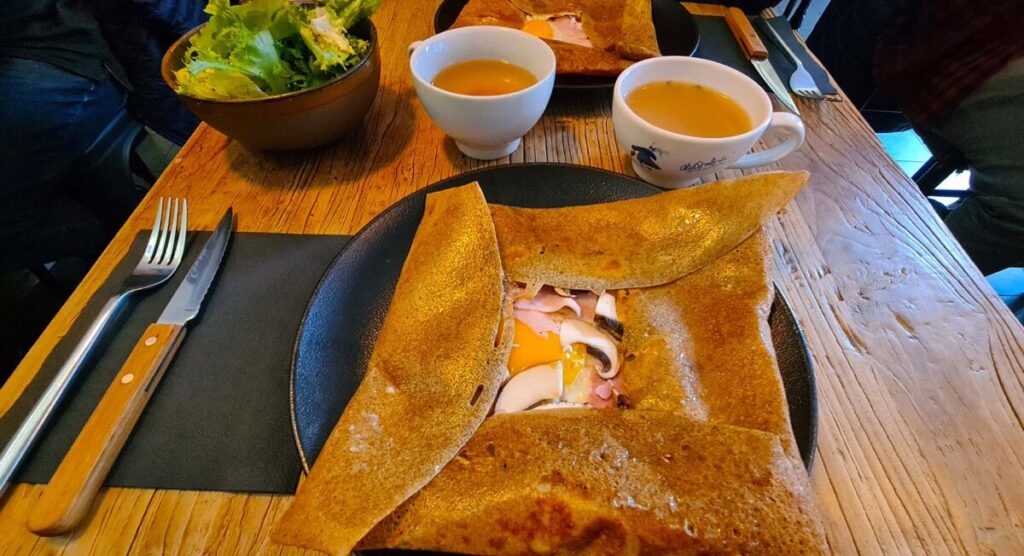
At Le Comptoir Breizh Café, classic crêpes and galettes meet inventive touches, sometimes with Japanese influences. Fresh products are paired with a curated selection of Breton ciders, enhancing every bite. The casual and bustling atmosphere invites visitors to savor both savory and sweet dishes while enjoying the lively spirit of the intra-muros. It’s a great destination for breakfast, lunch, or an afternoon treat.
Crêperie Grain Noir
Crêperie Grain Noir, opposite the Halle aux Blés, is a must-visit in Saint-Malo. Run by Frédéric Glémot and his son Emmanuel, the restaurant emphasizes locally sourced ingredients and traditional techniques. The menu balances classic savory galettes with creative flavor combinations, while sweet crêpes offer a satisfying finish. Its unpretentious charm and central location make it a favorite for locals and tourists alike.
Betton Fils
Located in a quiet corner of intra-muros, Betton Fils delivers refined bistronomic dishes with Brittany inspiration. Chef Victor Betton crafts plates like wild seabass ceviche with pickled nectarines, or seasonal game with subtle sauces. The elegant yet intimate setting, combined with meticulous attention to detail, makes dining here a memorable culinary experience.
Le Cambusier
Le Cambusier is a wine bar and restaurant dedicated to regional produce. Chef Olivier Hubert prepares dishes using short supply chains, highlighting natural flavors in every plate. Menus vary with the tides, including seafood, fish, and small plates for sharing. With a welcoming ambiance, rustic decor, and wines from carefully chosen producers, it’s ideal for relaxed dinners or tasting experiences that reflect Saint-Malo’s maritime heritage.
Le Bistrot du Rocher
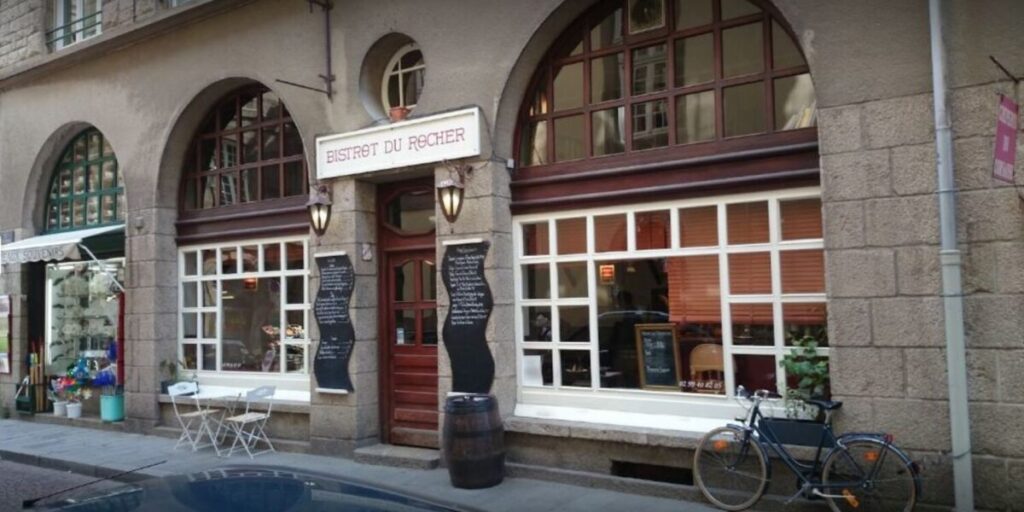
Le Bistrot du Rocher combines simple, market-driven cuisine with a picturesque interior of exposed beams, light parquet, and marine-inspired murals. Chef Sylvain Delauney emphasizes seasonal seafood, with highlights like seared scallops and classic desserts such as Paris-Brest. The lunch menu is concise and affordable, while the dinner selection expands to fully showcase local ingredients in well-executed, flavorful dishes.
Doma
Doma offers a fusion of local flavors with international twists. Charles Goapper and Eléna Prekrasna mix Breton ingredients with influences from Asia and Africa, creating dishes such as marinated beef with coconut sauce, or hearty mafé stews. The vibrant, informal space with blue Klein accents and wooden tables feels inviting, while desserts like chocolate choux with macadamia praline add a playful finish to the meal.
Méson Chalut
Méson Chalut focuses on high-quality, sustainable cuisine in the heart of intra-muros. Natali and Vincent Prémorvan champion zero-waste practices and seasonal ingredients, producing dishes that are both creative and satisfying. Scallops with cauliflower variations, squid with risotto, and perfectly cooked fish highlight the chef’s attention to balance and texture.
Maison Vermer
Maison Vermer combines relaxed daytime dining with refined evening gastronomy. Chef Quentin Durand and his partner Sophie offer evolving seasonal dishes that celebrate seafood and vegetables. The restaurant’s approachable yet sophisticated ambiance makes it perfect for lunch or dinner, with thoughtful service and a focus on local sourcing ensuring a high-quality culinary experience for visitors.
Bougeotte
Bougeotte is a cozy spot perfect for brunch or lunch. Fresh, seasonal ingredients shine in simple yet elegant dishes, like the perfectly cooked eggs or daily specials. The café atmosphere is relaxed, with attentive staff making guests feel at home. Bougeotte is ideal for a quick, satisfying meal before exploring the city, or for lingering over a good coffee in the intra-muros.
Bergamote
Bergamote is a charming tea salon in the heart of intra-muros, where modern touches enhance classic pastries and cakes. Ingredients are fresh and often locally sourced, ensuring quality in every bite. The atmosphere is warm and welcoming, making it the perfect spot for an afternoon break. Don’t miss their signature sweets, which pair wonderfully with coffee or a pot of tea.
La Fabrique
La Fabrique is a lively bar perfect for cocktails and small plates. The friendly bartenders serve inventive drinks with a smile, creating a fun, social atmosphere. Guests can enjoy shared plates, fresh local products, and a relaxed vibe, making it a great pre-dinner stop or evening hangout in the heart of Saint-Malo.
How to Get Around Saint‑Malo
The layout of Saint‑Malo and its surroundings rewards both planning and spontaneity. Within the intra‑muros historic core, narrow streets are best navigated on foot. Most major attractions—ramparts, beaches, restaurants, shops and museums—are within easy walking distance of one another, so plan to leave room for detours through alleys and unexpected squares where local life bubbles beneath the surface.
Beyond the old town, Saint‑Malo’s beaches, forts and parks spread out along the coast and estuary. Bikes are a great way to cover more ground, while local buses connect neighborhoods like Saint‑Servan and Paramé without the need for a car. If you’re arriving by train, Saint‑Malo’s station links to regional hubs like Rennes and Paris, and ferries shuttle travelers across the Channel to England in summer months.
Driving gives flexibility to explore further — like Rothéneuf’s carved rocks or the oyster‑rich village of Cancale a short distance east — but be mindful that parking inside the old town is limited and can be pricey. Many visitors opt to park near intra‑muros and walk in, preserving the city’s pedestrian‑friendly rhythm.
Valentine Marchou is a French journalist with a keen eye for culture, lifestyle, and society. After honing her skills in several French newsrooms, she now aims to tell stories that bridge French and English-speaking worlds through art, food, and everyday life.