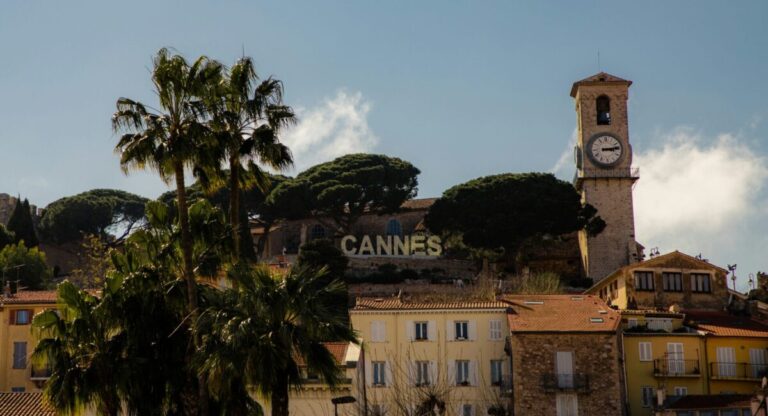
The 79th edition of the Cannes Film festival, drawing global attention to La Croisette from May 12-23, will be dominated by such international arthouse heavyweights as Pawel Pawlikowski, Hirokazu Kore-eda, Asghar Farhadi, and Pedro Almodóvar, whose films will be among the 21 competing for the Palme d’Or.
The lineup was revealed on Thursday, April 9, by Cannes chief Thierry Frémaux and president Iris Knobloch, who spoke about the festival as a place for the film community and fans to gather in a moment of global uncertainty.
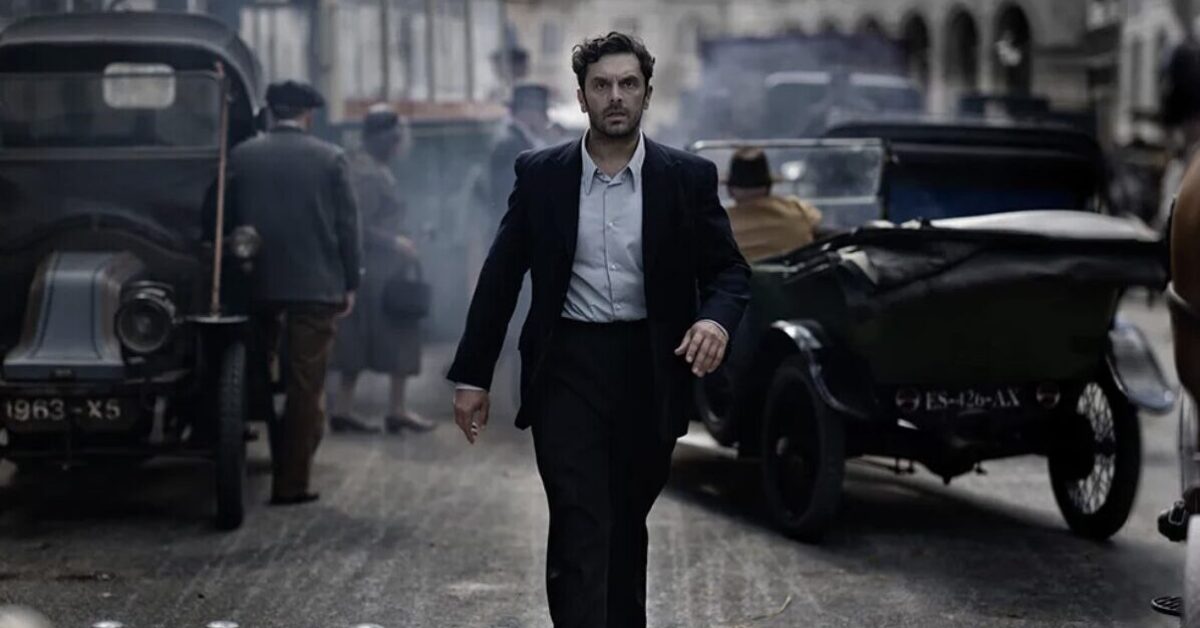
As usual, the festival will open with a French film, this year Pierre Salvadori’s Electric Kiss (La Vénus électrique), starring Pio Marmaï as a painter unable to work after the loss of his wife, who falls for a scam artist posing as a spiritual advisor (played by Anaïs Demoustier). Honorary Palme d’Ors will be awarded to filmmaker Peter Jackson and superstar Barbra Streisand for their contributions to film.
Cannes Takes a Break from Hollywood
While last year flashy Hollywood fare like Tom Cruise’s Mission: Impossible—The Final Reckoning and Spike Lee’s Highest 2 Lowest brought star power to the red carpet, this year’s event will focus on international and indie cinema. So far, the only American film in competition is Ira Sachs’ (Passages, Peter Hujar’s Day) AIDS-era musical The Man I Love, with Rami Malek playing an actor facing death in 1980s New York City.

In other sections, American directors fared better. Steven Soderbergh and Ron Howard will both premiere new documentaries in the Special Screenings section—Soderbergh’s John Lennon: The Last Interview, and Howard’s Avedon, about photographer Richard Avedon. Notably, John Travolta is screening his directorial debut Propeller One-Way Night Coach in the Premiere section, and Andy Garcia will screen his film noir, The Diamond, out of competition. Un Certain Regard standouts include Jane Schoenbrun’s Teenage Sex and Death at Camp Miasma, starring Hannah Einbinder and Gillian Anderson.
Other high-profile competition films include beloved Spanish filmmaker Pedro Almodóvar’s tragicomedy Bitter Christmas; Pawel Pawlikowski’s drama Fatherland, with Hanns Zischler and Sandra Hüller playing Nobel Prize-winning German author Thomas Mann and his daughter, Erika; Palme d’Or laureate Hirokazu Kore-eda’s Sheep in the Box; Romanian director Cristian Mungiu’s (4 Months, 3 Weeks and 2 Days) English-language debut Fjord, featuring Renate Reinsve and Sebastian Stan; Hong-jin Na’s Hope, starring married actors Michael Fassbender and Alicia Vikander (which was just snatched up by Neon, the distributor of last year’s breakout successes, It Was Just an Accident, Sentimental Value and Sirât); and Iranian auteur Asghar Farhadi’s Parallel Tales, which puts French divas Isabelle Huppert and Catherine Deneuve on screen together. There are five films by female directors in competition, down from seven last year.
South Korean director Park Chan-wook, of such acclaimed films as Oldboy, The Handmaiden, and 2025’s No Other Choice, is the jury president who will head the group selecting this year’s award winners. He will be joined on the Competition jury by American actress and producer Demi Moore, Irish-Ethiopian actress and producer Ruth Negga, Belgian director and screenwriter Laura Wandel, Chinese director and screenwriter Chloé Zhao, Chilean director and screenwriter Diego Céspedes, Ivorian-American actor Isaach De Bankolé, Scottish screenwriter Paul Laverty, and Swedish actor Stellan Skarsgård.
French Film Nominees at Cannes 2026

French films dominate this year’s event. Including co-productions, the number of movies from the host country is higher than ever, many from female directors, including Léa Mysius’ Histoires de la nuit, Charline Bourgeois-Tacquet’s A Woman’s Life, and Jeanne Herry’s Garance. Other notable French entries include Notre Salut, Emmanuel Marre’s historical drama about Vichy France, and The Unknown by director Arthur Harari, also co-screenwriter with director Justine Trier of Anatomy of a Fall, which won the Palme d’Or in 2023.
French-produced entries from foreign directors include two French language debuts: Hungarian filmmaker László Nemes’ Moulin, about French Resistance fighter Jean Moulin; and Drive My Car director Ryusuke Hamaguchi’s All of a Sudden, starring ubiquitous French actress Virginie Efira. There’s also Austrian director Marie Kreutzer’s Gentle Monster and German director Valeska Grisebach’s The Dreamed Adventure.

So far, there are a whopping 22 French entries throughout all the sections of the festival. Notably, French director Quentin Dupieux’s Full Phil, starring Kristen Stewart and Woody Harrelson, will premiere in the Midnight section. Esteemed directors Guillaume Canet and Agnès Jaoui will premiere the films Karma and L’Objet du Délit out of competition, and actor-turned-director Daniel Auteuil will screen When the Night Falls in the Premiere section.
One film rumored to be in competition, James Gray’s Paper Tiger (starring Scarlett Johansson, Adam Driver, and Miles Teller), might still bring its star power to the red carpet. Many believe this to be the film Frémaux referred to when he mentioned a missing film he was still trying to get his hands on. “It will be there, I’m telling you,” he said. “It’s not fake suspense, but there’s always contracts that are not yet signed, things that should be settled before the show in Cannes.”
At Thursday’s announcement, Frémaux said he was revealing “95% of the selection,” with additions rolling in over the weeks to come. Check out the full Cannes lineup below.
Cannes 2026 Nominations
Competition
Minotaur, Andrey Zvyagintsev
The Beloved, Rodrigo Sorogoyen
The Man I Love, Ira Sachs
Fatherland, Paweł Pawlikowski
Moulin, László Nemes
Histoires de la Nuit, Léa Mysius
Fjord, Cristian Mungiu
Notre Salut, Emmanuel Marre
Gentle Monster, Marie Kreutzer
Nagi Notes, Koji Fukada
Hope, Na Hong-Jin
Sheep in the Box, Hirokazu Kore-eda
Garance, Jeanne Herry
The Unknown, Arthur Harari
All of a Sudden, Ryusuke Hamaguchi
The Dreamed Adventure, Valeska Grisebach
Coward, Lukas Dhont
La Bola Negra (The Black Ball), Javier Ambrossi and Javier Calvo
A Woman’s Life, Charline Bourgeois-Taquet
Parallel Tales, Asghar Farhadi
Bitter Christmas, Pedro Almodóvar
Un Certain Regard
La Más Dulce, Laïla Marrakchi
Club Kid, Jordan Firstman
Teenage Sex and Death at Camp Miasma, Jane Schoenbrun
Everytime, Sandra Wollner
I’ll Be Gone in June, Katharina Rivilis
Yesterday the Eye Didn’t Sleep, Rakan Mayasi
The Meltdown, Manuela Martelli
Elephants in the Fog, Abinash Bikram Shah
Iron Boy, Louis Clichy
Ben’imana, Marie-Clémentine Dusabejambo
Congo Boy, Rafiki Fariala
Ula, Viesturs Kairišs
Forever Your Eternal Animal, Valentina Maurel
Words of Love, Rudi Rosenberg
All the Lovers in the Night, Sode Yukiko
Out of Competition
Her Private Hell, Nicolas Winding Refn
Diamond, Andy Garcia
Objet du Delit, Agnes Jaoui
De Gaulle: L’Age de Fer, Antonin Baudry
L’abandon, Vincent Garenq
Karma, Guillame Canet
Cannes Premiere
Kokurojo: The Samurai and the Prisoner, Kiyoshi Kurosawa
Propeller One-Way Night Coach, John Travolta
The Third Night, Daniel Auteil
The Match, Juan Cabral and Santiago Franco
Visitation, Volker Schlondorff
Special Screenings
John Lennon: The Last Interview, Steven Soderbergh
Avedon, Ron Howard
Les Survivants du Che, Christophe Réveille
Les Matins Merveilleux, Avril Besson
Cantona, David Tryhorn and Ben Nicholas
Rehearsals for a Revolution, Pegah Ahangarani
L’affaire Marie-Claire, Lauriane Escaffre and Yvo Muller
Midnight Screenings
Roma Elastica, Betrand Mandico
Full Phil, Quentin Dupieux
Colony, Yeon Sang-ho
Jim Queen, Nicolas Athane and Marco Nguyen
Sanguine, Marion Le Coroller
Opening Film
The Electric Kiss, Pierre Salvadori (previously announced)
The 2026 Cannes Critics’ Week Lineup:
Competition
Dua, Blerta Basholli
A Girl Unknown (Wu ming nü hai), Zou Jing
La Gradiva, Marine Atlan
Seis Meses en el edificio rosa con azul, Bruno Santamaria Razo
The Station (Al Mahattah), Sara Ishaq
Tin Castle, Alexander Murphy
Viva, Aina Clotet
Special Screenings
In Waves (opening film), Phuong Mai Nguyen
Stonewall (La Frappe), Julien Gaspar-Oliveri
Flesh and Fuel (Du Fioul dans les artères), Pierre Le Gall
Adieu monde cruel, Félix de Givry
Directors’ Fortnight
Feature Films
(*denotes first film and eligibility for Caméra d’Or)
Butterfly Jam (opening film), Kantemir Balagov
9 Temples To Heaven, Sompot Chidgasornpongse
Atonement, Reed Van Dyk
Clarissa, Arie Esiri & Chuko Esiri
Death has no master (La muerte no tiene dueño), Jorge Thielen Armand
The Diary of a Chambermaid, Radu Jude
Dora, July Jung
Double Freedom (La libertad doble), Lisandro Alonso
Gabin, Maxence Voiseux
I See Buildings Fall Like Lightning, Clio Barnard
Low Expectations (Lave Forventninger), Eivind Landsvik
Once Upon A Time In Harlem, William Greaves & David Greaves
La Perra, Domingo Sotomayor
Shana, Lila Pinell
Thanks for Coming (Merci d’être venu), Alain Cavalier
Too Many Beasts (l’Espèce Explosive), Sarah Arnold
Viva Carmen (Carmen, L’Oiseau Rebel), Sebastian Laundenbach
We Are Aliens, Kohei Kadowaki
Le Vertige (Closing Film), Quentin Dupieux
Short and Medium-Length Films
The Joyless Economy, Marjorie Conrad
Oh Boys, Antonio Donato
Early Morning, Sebastián Lojo
Eri, Yano Honami
Pithead, Wannes Vanspauwen & Pol De Plecker
The Daughters Of The Late Colonel, Elizabeth Hobbs
Nothing Happens After Your Absence, Ibrahim Omar
Free Eliza (Notes On An Anatomical Imperfection), Alexandra Matheou
In Search of the Green-striped Bird, Saïd Hamich Benlarb
New films added on April 22:
Competition
Paper Tiger, James Gray
Un Certain Regard
Victorian Psycho, Zachary Wigon
A Girl’s Story, Judith Godrèche
Titanic Ocean, Konstantina Kotzamani
Ulysse, Laetitia Masson (Closing film of Un Certain Regard)
Cannes Premiere
The End of It, Maria Martinez Bayona
Mary Magdalene, Gessica Généus
Aqui, Tiago Guedes
Mariage au Goût d’Orange, Christophe Honoré
Si Tu Penses Bien, Géraldine Nakache
Special Screenings
Spring, Rostislav Kirpičenko
Ashes, Diego Luna
Tangles, Leah Nelson
Le Triangle d’Or, Hélène Rosselet-Ruiz
Groundswell, Joshua and Rebecca Tickell
–
Andrea Meyer has written creative treatments for commercial directors, a sex & the movies column for IFC, and a horror screenplay for MGM. Her first novel, Room for Love (St. Martin’s Press) is a romantic comedy based on an article she wrote for the New York Post, for which she pretended to look for a roommate as a ploy to meet men. A long-time film and entertainment journalist and former indieWIRE editor, Andrea has interviewed more actors and directors than she can remember. Her articles and essays have appeared in such publications as Elle, Glamour, Variety, Time Out NY, and the Boston Globe.