
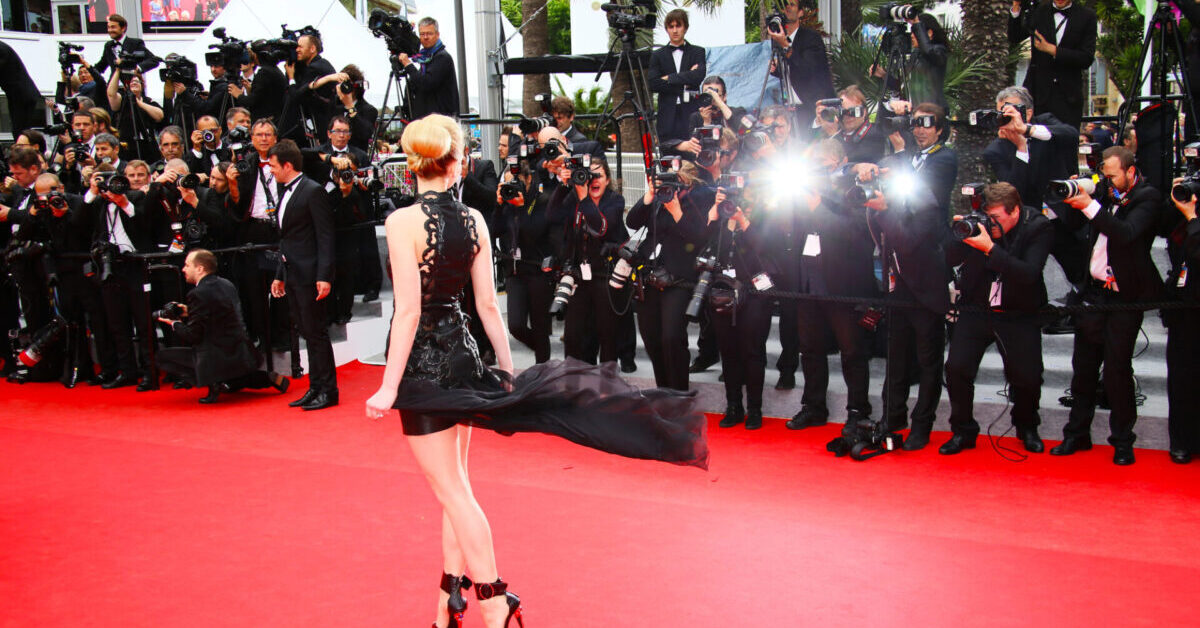
France doesn’t just watch movies—it builds entire cities around them for a week, sometimes two. Cinema is woven into daily life here, from neighborhood arthouse theaters to giant red carpets along the Mediterranean. Throughout the year, film festivals transform towns large and small into temporary capitals of storytelling, welcoming directors, producers, students, and audiences who treat screenings like communal rituals. These events aren’t only showcases for premieres: they function as markets, laboratories, meeting points, and talent incubators, shaping what the world will watch next.
From short films in Clermont-Ferrand to restored classics in Lyon, from genre cinema in Strasbourg to youth-focused discoveries in Biarritz, the French festival circuit reveals how diverse and forward-looking the country’s film culture really is. Whether you’re a casual viewer or an industry insider, these 10 French film festivals offer distinct ways to experience the art of cinema in 2026.
Clermont-Ferrand International Short Film Festival
January 30 to February 7, 2026
Every winter, the quiet city of Clermont-Ferrand becomes the global epicenter of short filmmaking. With more than 170,000 admissions and thousands of accredited professionals, it is widely considered the most influential short film festival in the world. For emerging directors, screening here can be career-changing. For audiences, it’s an opportunity to watch nearly everything cinema can be within a compact format, from fiction and documentary to animation, experimental work, and immersive XR (interactive virtual reality environments) projects.
The 48th edition will present around 200 films in the official competition, and roughly 200 additional titles across thematic programs, regional focuses, and guest showcases. Four competitive strands structure the lineup: international, French national, “Labo” for formally adventurous work, and an XR section dedicated to virtual and hybrid experiences. The festival is also hosting two major retrospectives in 2026, one exploring vacation narratives and another spotlighting Southeast Asian cinema.
Parallel to the screenings, the Short Film Market attracts about 4,000 industry professionals, making it a key deal-making space for sales, acquisitions, and co-productions. Accredited by FIAPF and connected to the César Awards, the European Film Awards, the Oscars, BAFTAs, and BIFAs, Clermont-Ferrand acts as a bridge between small-scale films and major recognition. For anyone curious about where tomorrow’s directors are born, this is the place to start.

Bastia Italian Film Festival
January 31 to February 15, 2026
Set on the northern coast of Corsica, the Bastia Italian Film Festival feels intimate yet ambitious, blending cinema, music, literature, and food into a two-week celebration of contemporary Italian storytelling. The event unfolds across the Alb’Oru cultural center and the city’s independent theaters, turning Bastia into a crossroads between the Mediterranean islands and the Italian peninsula.
Roughly 20 features, most of them unreleased in France, are divided into competition, panorama, youth screenings, and tribute programs. The 2026 edition includes homages to actors Toni Servillo and Marcello Mastroianni, whose presence also shapes the festival’s visual identity. Conversations and conferences enrich the program, with discussions ranging from the legacy of Giovanni Falcone, to the place of fascism in today’s political landscape. Literary events and encounters with authors deepen the dialogue between cinema and writing.
The selection favors bold dramas and socially engaged stories. A recent competition title, Il mio posto è qui, inspired by a true story set in 1960s Calabria, reflects the festival’s interest in characters confronting rigid social structures. Evenings extend beyond screenings with concerts and Italian cuisine served across town, reinforcing the convivial atmosphere. Bastia offers a gateway into Italian cinema that feels both curated and welcoming, making it a rewarding stop early in the French festival calendar.
FIFCA – Angoulême International Short Film Festival
March 5 to 8, 2026
Angoulême is best known internationally as the home of France’s biggest comic book festival, often described as the country’s comic book capital, where graphic novels and illustration dominate the cultural calendar each winter. But every March, the city shifts gears and trades speech bubbles for movie screens, becoming a lively playground for short films of every stripe. The Festival International du Film Court d’Angoulême, known as FIFCA, emphasizes accessibility and conversation as much as competition. Screenings are followed by discussions, workshops, and informal meetups that blur the line between audience and filmmaker.
More than 70 recent works are presented over four days, ranging from fiction and documentary to animation and experimental pieces. From nearly 1,800 submissions, the programming team selects films that feel distinctive in form and voice. The competition is open to any production under “à minutes, which means student projects share space with seasoned independent directors. The result is a lively mix that rewards curiosity.
Family-friendly morning shows welcome young viewers, while themed events include cine-concerts, regional showcases, and spotlights on international scenes. In 2026, the schedule once again spotlights animated films, drawing connections with the nearby city of Annecy, home to the world-renowned Annecy International Animation Film Festival and one of France’s main hubs for animation schools, studios, and professionals, while several invited filmmakers will also attend screenings to take part in in-depth Q&A sessions and extended conversations with audiences.
The scale remains human, with most screenings held at the Cinéma de la Cité, encouraging repeat encounters and spontaneous conversations. FIFCA’s charm lies in that closeness. You don’t just watch movies here, you talk about them, argue about them, and sometimes meet the people who made them minutes after the credits roll.

Rennes National Animation Film Festival
April 7 to 12, 2026
For six days each spring, Rennes becomes the headquarters of French animation. Organized by the French Association for Animation Cinema, the National Animation Film Festival draws around 20,000 admissions and more than 600 professionals, creating a rare space where students, studios, and established auteurs intersect.
The 32nd edition showcases short films, features, series, music videos, experimental works, and self-produced projects. Competitive screenings sit alongside premieres, making-of sessions, and hands-on workshops that reveal how animated worlds are built frame by frame. Industry gatherings and networking events encourage co-production and talent scouting, particularly for emerging directors.
The 2026 thematic focus centers on adaptation, exploring how animation interacts with graphic novels, video games, and other art forms. Rennes’ strong stop-motion community also shapes the program through European exchanges and specialized panels. The festival spreads across multiple venues in the metropolitan area, turning the city into a hub for both public audiences and professionals.
What sets Rennes apart is its sense of discovery. You might encounter a student short that later travels to major international festivals, or preview a feature months before its theatrical release. Anyone interested in the vitality of French animation will find this event an essential snapshot of the field’s present and future.
Festival de Cannes
May 12 to 23, 2026
Cannes remains the most visible film festival on the planet, where premieres can launch global conversations overnight. For 12 days, the Croisette fills with filmmakers, actors, journalists, and distributors, all converging on screenings that define the cinematic year ahead. Yet beyond the red carpet imagery lies an intricate ecosystem that combines art, commerce, and discovery.
The official selection spans competition titles, Un Certain Regard, Cannes Classics, La Cinef for film schools, and short film programs. Roughly 80 films or more are screened across these sections, while the Marché du Film welcomes over 12,000 participants, making it the world’s largest film market. Deals are struck, projects financed, and international releases negotiated behind the scenes.
The festival’s top prize, the Palme d’Or, remains one of the most coveted awards in cinema, often propelling winners into immediate worldwide distribution. At the same time, sidebars and beach screenings allow the public to engage with restored masterpieces and outdoor projections. Submission deadlines in early spring will shape the 2026 lineup, which traditionally mixes established auteurs with newcomers.
Cannes can feel overwhelming, but that scale is precisely its appeal. It’s where cinema meets the global spotlight, and where careers, trends, and headlines are born.

Biarritz Film Festival – Nouvelles Vagues
June 23 to 28, 2026
On the Atlantic coast, Biarritz offers a younger, more forward-looking counterpoint to the grand machinery of Cannes. Nouvelles Vagues is dedicated to youth perspectives and new voices, positioning itself as a platform for filmmakers under 35 and stories that capture generational change.
The international competition presents eight previously unreleased features centered on identity, freedom, and social transformation. In 2026, the festival will expand to include a short film competition for emerging directors, reinforcing its commitment to early-career talent. Additional screenings include more than 30 titles, plus an open-air beach projection that turns the shoreline into a giant movie theater at sunset.
Jurors are themselves young artists, film students, and beneficiaries of France’s pass Culture, a national government-funded program that gives teenagers and young adults a dedicated budget to spend on cultural activities such as movie tickets, books, concerts, and festival events, creating a dialogue between creators and audiences of similar ages. Panels, exhibitions, and informal gatherings extend the experience beyond screenings. The seaside setting contributes to a relaxed atmosphere, but the programming remains sharp and contemporary.
Nouvelles Vagues feels like a testing ground for the next generation of international cinema. It’s less about prestige and more about energy, curiosity, and fresh storytelling voices.
Strasbourg European Fantastic Film Festival
September 25 to October 4, 2026
If your tastes lean toward horror, science fiction, and the uncanny, Strasbourg should be your autumn destination. The European Fantastic Film Festival embraces genre cinema in all its forms, from independent experiments to studio productions, documentaries, and cult revivals.
Founded in 2008, the festival has grown into one of France’s key events for fantasy cinema. It awards the Méliès d’Argent for both features and shorts, qualifying winners for the European Méliès d’Or, alongside prizes such as the Golden Octopus and the Audience Award. Competitive sections sit next to retrospectives and special screenings that chart the evolution of genre storytelling.
Beyond the theaters, the city hosts masterclasses, exhibitions, children’s workshops, and the much-anticipated Zombie Walk, which draws thousands of participants into the streets. The atmosphere blends cinephilia with playful spectacle, welcoming devoted fans and curious newcomers alike.
Strasbourg’s programming proves that genre films can be as inventive and politically sharp as any arthouse drama. It’s a space where imagination runs wild and where audiences celebrate cinema’s capacity to surprise.

Dinard British & Irish Film Festival
October 7 to 11, 2026
In the seaside town of Dinard, Brittany’s historic ties with the UK and Ireland find expression through cinema. For five days, the British & Irish Film Festival presents independent features, auteur works, and short films that highlight the richness of contemporary filmmaking across the Channel.
Screenings take place in several local theaters, with around 30 features and numerous shorts. The competition awards the Golden Hitchcock, a nod to the master of suspense whose silhouette has become the festival’s emblem. Over the years, early screenings of films that later achieved international acclaim have given Dinard a reputation for sharp programming instincts.
Guests often include major actors, directors, and producers from both Britain and France, fostering cross-cultural exchange. Red carpets and tributes coexist with accessible public screenings, creating a welcoming environment rather than a celebrity bubble.
Dinard offers something rare: the chance to explore British and Irish cinema in depth, beyond the films that typically secure wide theatrical distribution in France, giving audiences access to independent productions and emerging voices that might otherwise never reach local screens. For viewers curious about the independent scene in London, Dublin, or Glasgow, this festival is a compact and rewarding window.
Lyon Festival Lumière
October 10 to 18, 2026
Where most festivals chase premieres, Lyon looks backward to move forward. Festival Lumière celebrates film heritage, honoring restored classics and the artists who shaped cinema history. Hosted in the birthplace of the Lumière brothers’ cinematograph, the event feels like a pilgrimage site for movie lovers.
More than 400 screenings unfold across theaters throughout the city and surrounding areas, including giant presentations in large venues. The program includes retrospectives, restored prints, silent films accompanied by live music, and conversations with legendary filmmakers. The Village du Festival near the Institut Lumière becomes a meeting point with its bookshops, DVD markets, and daily talks.
The prestigious Prix Lumière recognizes a major figure for lifetime achievement in film, attracting internationally renowned guests each year. A professional market dedicated to classic films also convenes archivists, distributors, and restorers.
The festival’s pleasure lies in collective rediscovery. Watching a masterpiece on the big screen with hundreds of spectators reminds you why cinema endures. Lyon transforms film history into a living experience rather than a museum piece.
Arras Film Festival
November 6 to 15, 2026
Arras closes the French festival season with a strong focus on European cinema and audience engagement. Over 10 days in November, the northern city welcomes filmmakers and viewers for premieres, concerts, debates, and cine-concerts that blend film with live performance.
The program emphasizes European productions, particularly from Eastern Europe, alongside French releases and rediscovered classics. Many titles screen in preview, giving local audiences early access to films that may not yet have widespread distribution. Encounters with directors and actors are central to the experience, creating moments of direct exchange.
Family programs, youth initiatives, and educational events ensure that the festival speaks to all generations. Its scale remains approachable, allowing visitors to sample multiple films a day without the frenzy of larger markets.
Arras has built a reputation as one of France’s most welcoming autumn gatherings for cinephiles. It’s less about spectacle and more about discovery and dialogue, ending the year with a reminder that cinema thrives when communities come together to watch and talk.
Valentine Marchou is a French journalist with a keen eye for culture, lifestyle, and society. After honing her skills in several French newsrooms, she now aims to tell stories that bridge French and English-speaking worlds through art, food, and everyday life.


