
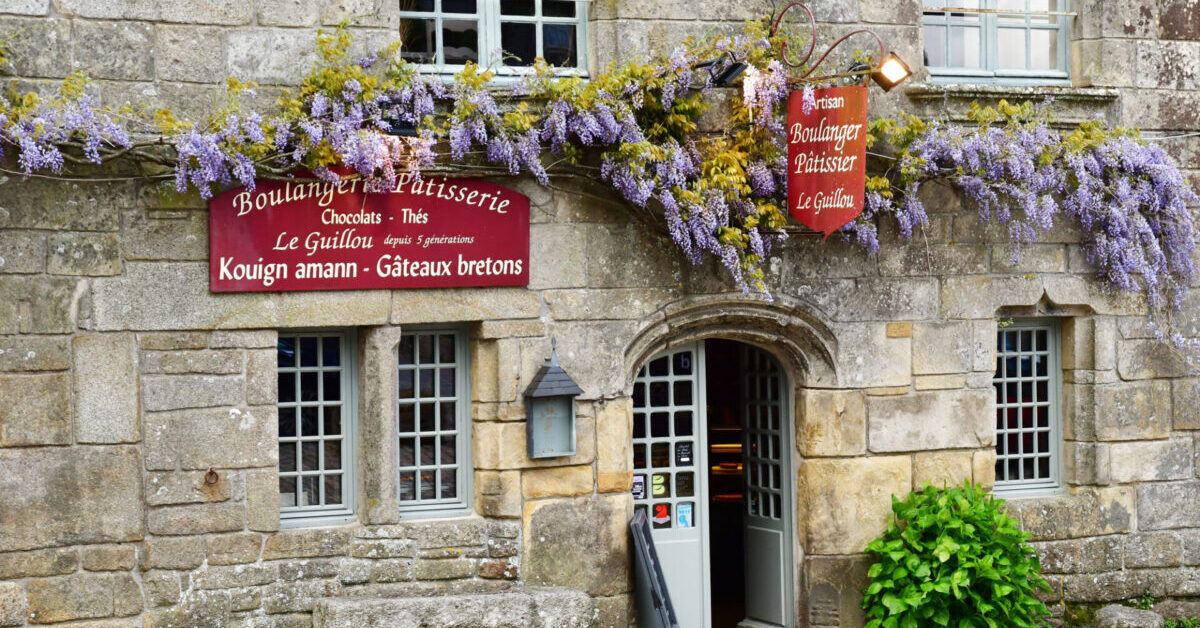
Brittany, situated on France’s east coast along the Atlantic ocean, is a region shaped by its rugged terrain, harsh climate, and a history that stretches back further than the pyramids. All of this has shaped it into one of France’s most refined and renowned culinary hotspots. From some of the freshest seafood in France to the iconic galette, a visit to Brittany should be at the top of any food lover’s list.
To give you a better idea of the culinary delights this French region has to offer, we’ve highlighted just a few ingredients and dishes worth seeking out the next time you are in Brittany.
1. Seafood and shellfish
With over 1,700 miles (2,800 km) of coastline, it’s no surprise that seafood sits at the heart of Breton cuisine. From bustling harbors to world-renowned oyster beds, Brittany delivers some of the freshest and finest seafood France has to offer.
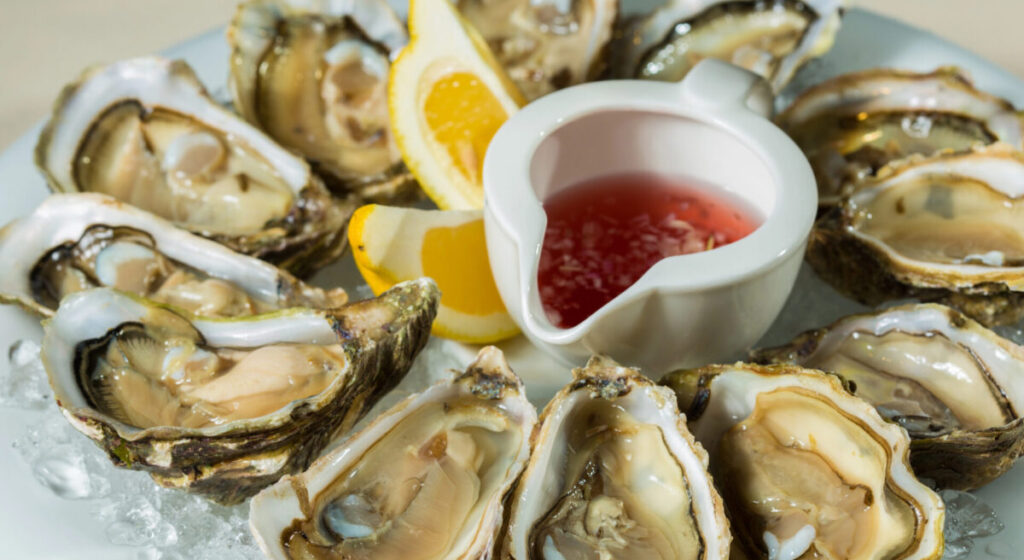
Cancale Oysters
Often described as some of the finest oysters in France (if not the world), Cancale oysters are a point of pride for Brittany. Harvested along the Emerald Coast near Mont-Saint-Michel Bay, these oysters benefit from nutrient-rich waters and strong tides, giving them a clean, briny flavor with a hint of sweetness.
True oyster lovers should visit the waterfront stalls in Cancale, where they are shucked to order and eaten on the spot with nothing more than some fresh lemon and gorgeous sea views.
Bay of St Brieuc Scallops
The Bay of St-Brieuc in the north of Brittany is famous for its coquilles Saint-Jacques, or scallops. To ensure consistent high quality, the fishing of these scallops is highly regulated through strict fishing seasons and restrictions. If you can, try to grab some by the shore, where they are typically sold fresh in their shells to be enjoyed at their peak.
As with much of Breton cooking, the scallops are prepared simply; lightly seared with butter and served with leeks, or baked in their shells with cream and breadcrumbs. In either case, you are in for a world-class bite.
Breton Lobster from Camaret
Camaret-sur-Mer, on the Crozon Peninsula, is renowned for its blue Breton lobster. Smaller and more intensely flavored than other varieties, these lobsters are usually cooked whole and served with little more than some local salted butter.
For a lobster dish with rich Bretton history, we recommend seeking out Homard a l’Armoricaine (Amorican Lobster). The name of this dish pays homage to Brittany’s ancient history when the region was known as Amorica in the sixth century. The lobster is flame-grilled with brandy, then slowly simmered with tomatoes, garlic, and fresh herbs, enhancing its delicate flavor with a rich, flavorful sauce.
2. Crêpes and Galettes
In Brittany, crêpes and galettes are not simply a quick bite or a touristy staple; they are more akin to the baguette, serving as cornerstones of regional identity and everyday life. Walk through any Breton town or village, and the scent of fresh, sweet crêpes and hearty buckwheat galettes is unavoidable.
Crêpes
Sweet crêpes are made with wheat flour and can be enjoyed at any time of day, whether folded simply with sugar and lemon, spread generously with Nutella, or drizzled with the region’s famous salted butter caramel. Their delicate texture, light crisp edges, and endless fillings make them perfectly adaptable to every palate.
To get that extra satisfying crunch, we recommend hunting down crêpes dentelle, a Breton twist on the traditional crêpe. These cookie-like crêpes are baked, then rolled up while still hot, and baked again until dry and crispy. Best enjoyed with hot chocolate or ice cream, in our humble opinion.
Galettes
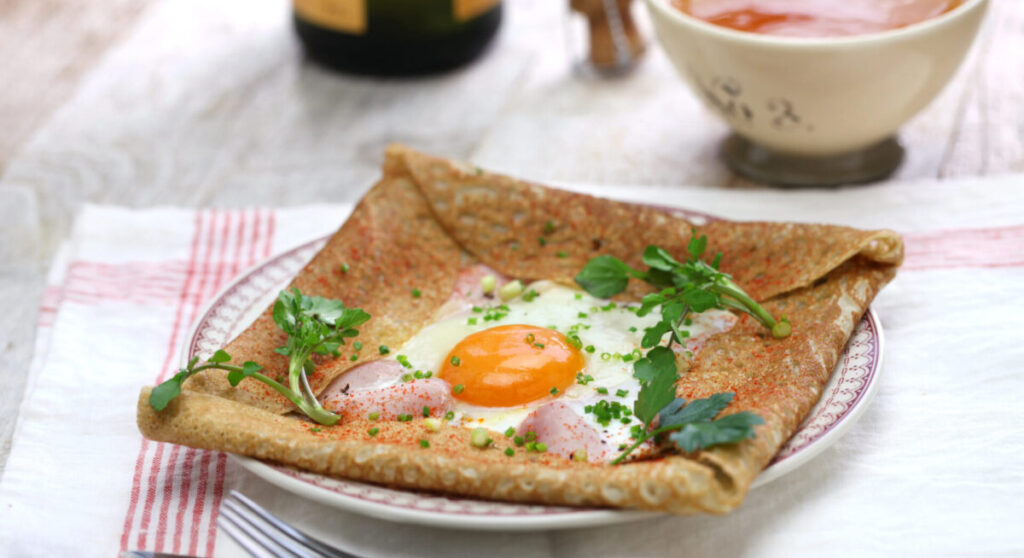
Galettes are the savory counterpart to crêpes and are made from buckwheat flour, which gives them their distinct, darker brown color (and makes them naturally gluten-free!). With their hearty, nutty flavor, galettes are typically eaten as a main course and reflect Brittany’s long-standing reliance on buckwheat, a crop well suited to the region’s harsher climate.
Traditional fillings include ham, cheese, egg, mushrooms, or seafood, while some modern vendors offer more creative variations with seasonal produce. The classic galette complète is filled with ham, melted cheese, and a perfectly cooked egg, and remains the most popular among locals and tourists.
If you find yourself in Rennes, we recommend seeking out their local take of the galette saucisse—a sausage wrapped in a galette and eaten like a hot dog.
3. Savory delights
Shaped by rural traditions, harsh landscapes, and long winters, Brittany boasts a range of hearty savory dishes to nourish the soul.
Kig Ha Farz
Kig ha farz is one of the region’s most traditional and filling dishes. Originating in Finistère and roughly translating to “meat and stuffing”, this dish is often compared to a British “boiled dinner.” The Breton version consists of slowly simmered meats (usually beef or pork), seasonal vegetables, and a dense buckwheat dumpling cooked in a cloth bag.
Steeped in history, this dish was once prepared for large family gatherings and communal meals. While it may be hard to find on restaurant menus, it remains a reminder of Breton’s culinary past.
Andouille from Guéméné
Probably Brittany’s most distinctive charcuterie product is andouille de Guéméné, a smoked sausage originating from the town of Guéméné-sur-Scroff. Unlike other French sausages, this andouille is made almost entirely from pork intestines, meticulously layered and then smoked over beechwood.
Typically enjoyed sliced thin and served cold, or gently warmed with potatoes, andouille de Guéméné is a must-try for more adventurous eaters.
Salted Butter
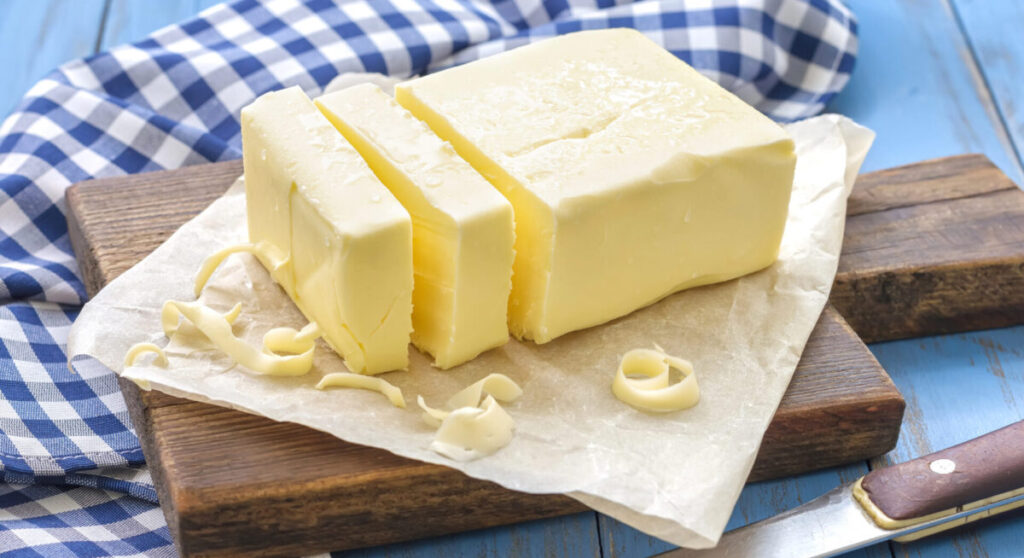
Another French staple that needs no introduction is salted butter. Thanks to historical exemptions from France’s salt tax, Brittany developed a long-standing preference for salted and semi-salted butter, a tradition that continues to define the region’s cooking.
Today, Bretons use salted butter generously in both sweet and savory dishes. Spread on bread, melted over seafood, or baked in pastries, Breton butter is rich, creamy, and indulgent.
4. Sweets and Cakes
If you thought that Brittany’s dessert prowess started and ended with the crêpes, you couldn’t be more wrong!
Far Breton
Far Breton is a dense, custard-like cake traditionally studded with prunes, though modern versions may include raisins or apples. Situated somewhere between flan and cake, it’s a comforting dessert that pairs perfectly with coffee or cider.
While this dessert might not win any beauty contests, it reinforces the idea that desserts don’t need to be flashy; they just need to be made well with good ingredients.
Kougin-amann
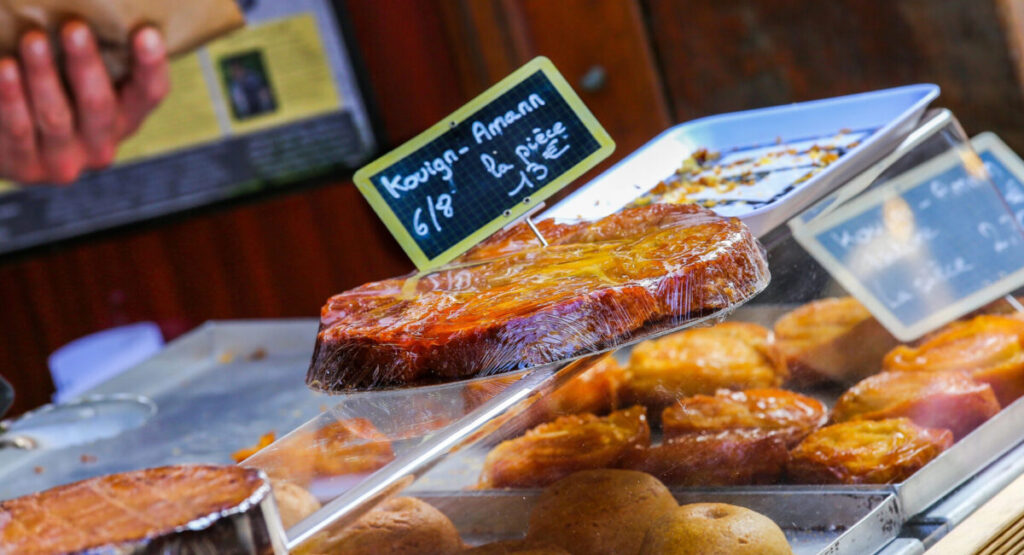
If you’re on a diet, this dessert might not be for you, as it has no respect for moderation. Made from layers of dough, butter, and sugar, it’s baked until caramelized and crisp on the outside, while remaining soft and buttery within.
Originally created in the town of Douarnenez, kougin-amann has gained international fame—Dominique Ansel even brought his take on it, the DKA, to New York—but nowhere does it taste better than in its homeland, fresh and warm from a local bakery.
5. Drinks
Even the traditional drinks Brittany offers reflect its agricultural roots.
Cider
Breton cider is lightly alcoholic, crisp, and often cloudy, made from a blend of local apples. Traditionally served in ceramic bowls known as Faïence rather than glasses, it’s an unmissable pairing for both galettes and crêpes.
Unlike the sweet commercial ciders you may be used to, Breton cider tends to be dry or semi-dry, making it much more refreshing.
Couchen (Mead)
Chouchen is a traditional Breton mead made from fermented honey and water, sometimes flavored with apple juice. Sweet and aromatic, the drink takes you back to Brittany’s Celtic roots and is often enjoyed as an apéritif or digestif.
While less common than cider, chouchen offers a glimpse into Brittany’s ancient drinking culture.
Brittany, One of France’s Most Fascinating Regions
These dishes offer just a glimpse into Brittany’s rich culinary landscape. But the region’s appeal doesn’t end at the food, with so much history, tradition, and incredible scenery to enjoy, there is something for everyone in this sea-swept region.
Want to discover more about Brittany and some of its standout towns? Check out Frenchly’s guide to Brittany.
An Australian freelance writer living in Paris, Joe Ciliberto has a background in international relations and renewable energy. He is passionate about gastronomy, politics, travel, and finding the best cold brew coffee in Paris.


