
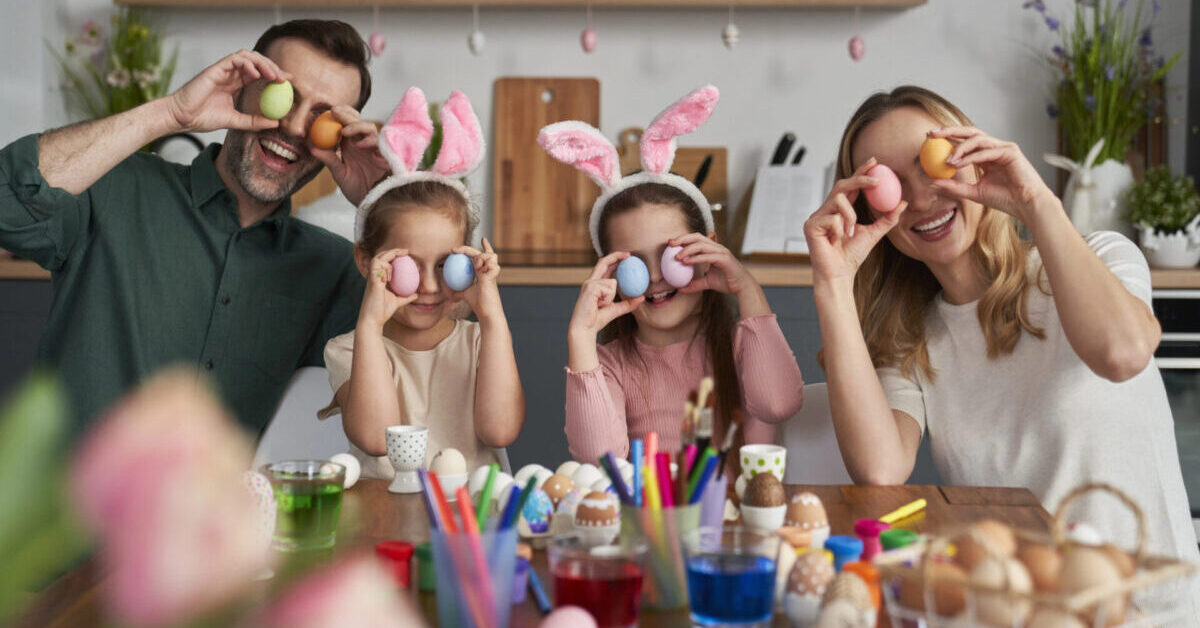
Easter in France is much more than just a date on the calendar. For many, it blends spiritual reflection with joyful gatherings, seasonal flavors, and a sense of renewal that mirrors the awakening of spring. Despite shifts in religious practice over the decades and France’s strong commitment to laïcité, the secular nature of the state, Easter remains one of the most cherished moments of the year for families and communities across the country.
From the silence of church bells to the laughter of children on a sunlit morning, the way the French celebrate Easter offers a fascinating window into how history, culture, and shared joy combine to create enduring customs—some deeply rooted in Christian faith, others born from centuries-old popular observances.
Here, the origins of Easter in France are explored, along with its enduring religious significance, the festive foods that fill French tables and the playful charm of la chasse aux œufs that make the holiday unique. Many customs, from chocolate bells to seasonal specialties, may surprise even seasoned travelers.
The Origins of Easter in France
To understand how Easter is celebrated in France today, it helps to look at its origins. Easter, or Pâques, has deep roots in Christian tradition, but its meaning extends beyond the purely religious. The holiday marks the resurrection of Jesus Christ, following his crucifixion on Good Friday. It is the most important feast in the Christian calendar, even surpassing Christmas in significance. The forty days of le Carême (Lent) leading up to Easter were traditionally a time of fasting or giving up certain foods, making the return of eggs, meat, and rich dishes on Easter Sunday especially celebratory.

Long before Christianity, ancient cultures also marked this time of year as a moment of renewal. From Celtic Druids in present-day France to Roman and Greek civilizations, spring symbolized fertility, growth, and the awakening of life after winter. Eggs were particularly meaningful, seen as symbols of life and potential. Early Christians embraced this imagery, linking it to resurrection and the promise of new life.
Over the centuries, these religious and seasonal elements blended into French culture, creating Easter celebrations that are both spiritual and communal. Today, even families who do not follow religious practices participate in the holiday through festive meals, chocolate treats, egg hunts, and gatherings that welcome the arrival of spring. In France, Easter has become a time to celebrate life, renewal, and togetherness, reflecting centuries of layered customs and meanings.
Religion and Easter: Faith Lives On
Although France is firmly secular by law, its Christian heritage continues to shape Easter celebrations. For practicing Catholics, Easter marks the climax of la Semaine Sainte, or Holy Week, beginning with le Dimanche des Rameaux (Palm Sunday) and including le Jeudi Saint (Holy Thursday), le Vendredi Saint (Good Friday), and la Vigile Pascale (Easter Vigil) on Holy Saturday.
A beloved custom involves the silence of church bells from Maundy Thursday until Easter morning. Children are told the bells have flown to Rome to be blessed by the Pope, and upon their return, they scatter chocolate and sweets across gardens, creating a magical Easter morning.
In many towns, the Easter Vigil draws large congregations. After sunset on Holy Saturday, worshippers witness a service symbolizing the passage from darkness into light, with Paschal candles lit and prayers offered. Some churches also baptize new members, celebrating renewal and resurrection.
Even for non-practicing families, these religious customs influence the weekend’s atmosphere. The long Easter weekend, including le Lundi de Pâques, offers a welcome pause for families to gather, share meals, and enjoy time together.
French Easter Traditions & Celebrations

One of the most beloved aspects of Easter in France is la chasse aux œufs, the egg hunt that captures the imagination of children across the country. Unlike in some other countries where the Easter Bunny is the main figure, French children are often told that it is the church bells that carry the magic. From Maundy Thursday until Easter Sunday, the bells fall silent, said to have flown to Rome to be blessed by the Pope. Upon their return, they leave chocolate treats in gardens and homes for children to discover.
Early on Easter morning, children rush outdoors, baskets in hand, searching for chocolate eggs, chocolate bells, chicks, and bunnies hidden among the flowers or tucked beneath hedges. In some towns, local communities organize large public hunts in parks, filling sprawling lawns with hidden treasures and creating a festive atmosphere that brings families and neighbors together. The excitement is palpable: laughter, friendly competition, and the sheer joy of discovery define the morning, and even adults often find themselves helping to hide chocolate or cheering on the youngest seekers.
Beyond egg hunts, many French customs emphasize symbols of life, renewal, and abundance. Decorating hard‑boiled eggs, preparing sweet pastries like nid de Pâques (Easter nests), and gifting chocolate in imaginative shapes are all part of the celebration. The use of eggs, lambs, and bunnies is not merely decorative—each carries layers of meaning. Eggs symbolize new life and the promise of resurrection, the lamb recalls both biblical traditions and springtime fertility, and the rabbit, known for its prolific nature, represents growth and rejuvenation.
In homes across France, these symbols come alive through festive meals, elegant table settings, handmade decorations, and shared games. Street fairs, flower markets, and community events often coincide with Easter weekend, turning towns and villages into vibrant expressions of seasonal joy.
Springtime Feasts: What the French Eat for Easter
One of the most delightful aspects of Easter celebrations in France is the food.At the center of many French Easter meals is l’agneau pascal, the Easter lamb. The lamb carries rich symbolism that stretches back through Judeo‑Christian history. In the Old Testament, the lamb was part of the Pessah meal, signifying deliverance from bondage. In Christian symbolism, Christ himself is often referred to as the Lamb of God, an innocent sacrifice made for humanity’s redemption. So when French families sit down to enjoy a beautifully roasted leg of lamb on Easter Sunday, they are partaking in a culinary homage that resonates with deep historical meaning. This meat, tender and rich from months spent grazing early spring pastures, embodies the return of life and vitality to the land.

Alongside the lamb, side dishes reflect the fresh, bright flavors of the season. Green beans, new potatoes, and salads with crunchy young greens often appear on the table. In some regions, families incorporate local specialties that reflect the diversity of French gastronomy. In Alsace, for example, a sweet, lamb‑shaped cake known as le Lamala or l’osterlammele often makes a festive appearance. This little cake, with its distinctive form and buttery crumb, captures the spirit of celebration in a region where Germanic influences remain strong.
Eggs, too, have a prominent place, not only in the egg hunts but also on the dining table. They serve as reminders of fertility, life, and creative transformation. Some households prepare classic œufs mimosa: hard‑boiled eggs with seasoned yolks mashed and flavored in artful presentations. Others use eggs in desserts, such as nid de Pâques, a cake shaped like a nest and filled with chocolate eggs and candies. Each of these dishes—simple or elaborate—reinforces the idea that Easter is a feast of the senses, a moment to gather, savor, and celebrate the season together.
Chocolate and Sweets: A Carnival of Flavor
Ask nearly any child in France what they love most about Easter, and the answer will almost certainly involve chocolate. Chocolate in France is an art form, and Easter is its grand showcase. Throughout the weeks leading up to Easter Sunday, chocolatiers across the country create an astonishing array of figures and treats. From delicately molded rabbits to bells, chicks, fritures (small chocolate candies shaped like seafood) and ornate eggs the size of a child’s head, the displays in shop windows transform cities and towns into irresistible worlds of confection.

What makes French Easter chocolate so distinctive is not just the imagination behind the creations, but the quality of the chocolate itself. Master chocolatiers, whether in Paris, Lyon, Bordeaux, or small villages dotting the countryside, take great pride in the textures, flavors, and craftsmanship of their products. Dark chocolate mingles with praline, caramel, and creamy milk chocolate to create treats that are savored slowly, shared with neighbors, and gifted to friends.
A Celebration to Remember
Easter in France combines spiritual meaning, culinary richness, playful moments, and the beauty of spring in a way that feels both timeless and alive. From the exquisite chocolates that line shop windows to the laughter of children on a crisp Easter morning, the holiday offers experiences that resonate deeply with people of all ages.
Whether you are celebrating alongside French friends, visiting the country in springtime, or simply curious about how this cherished holiday is observed, there’s much to admire in the French approach to Easter. It’s a time to reflect, to share, to savor, and to rejoice in the cycle of renewal that touches every part of life.
So this year, when Easter arrives, you’ll be ready to appreciate it like a true Français—from the first peal of bells to the last bite of cake. Joyeuses Pâques!
Valentine Marchou is a French journalist with a keen eye for culture, lifestyle, and society. After honing her skills in several French newsrooms, she now aims to tell stories that bridge French and English-speaking worlds through art, food, and everyday life.


