
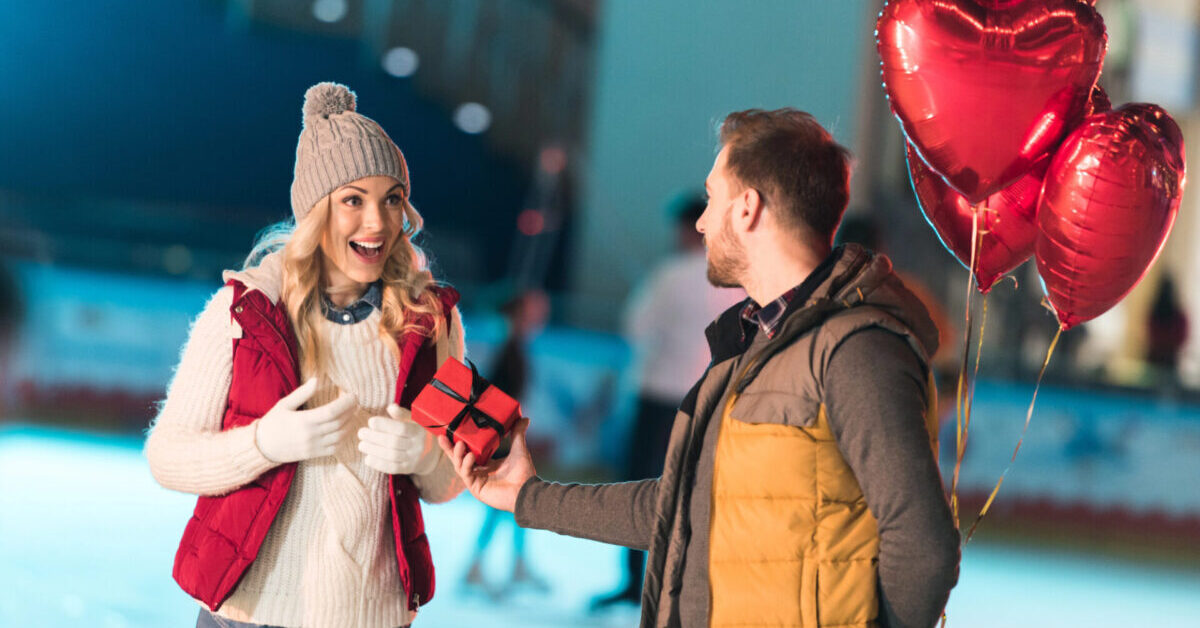
Every February, France is reminded of the image the world endlessly projects onto it: a land of candlelit dinners, handwritten notes, and amorous strolls through cobblestone streets. But the French relationship to Valentine’s Day is far more nuanced than the postcard cliché. Couples do embrace the occasion, yet many do so with restraint, humour, or a certain elegant detachment.
For many, Valentine’s Day is above all an intimate pause in the blur of everyday life—a gentle moment to reaffirm affection with gestures that feel sincere rather than extravagant. A bouquet of roses, a shared dessert, a thoughtful message: these small signs of tenderness are often enough. It is therefore not surprising that, while 78% of French couples expect to receive a gift for Valentine’s Day, they prioritize shared and intimate moments above all else.
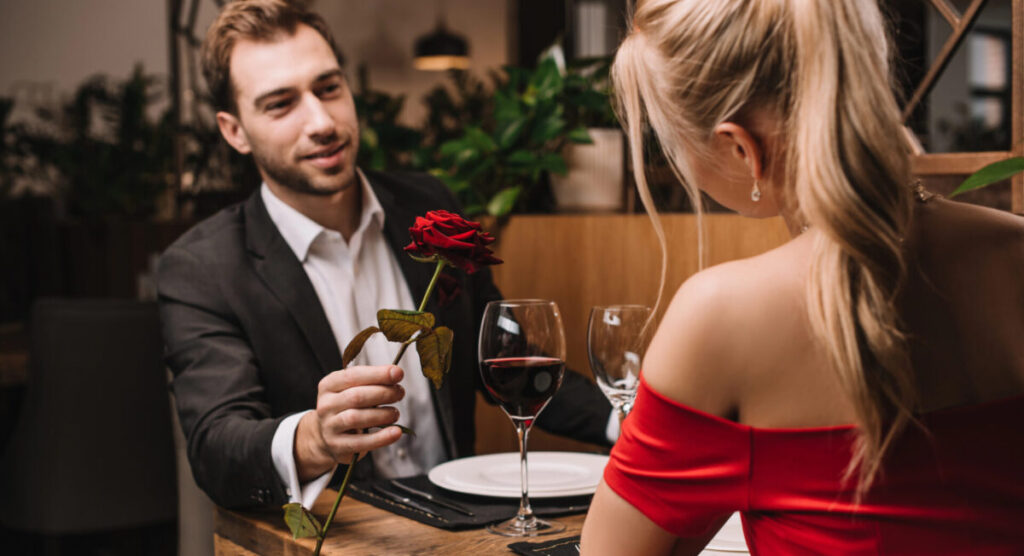
In the United States, Valentine’s Day has increasingly become a commercial spectacle, with confetti, heart-shaped cookies, balloons, and decorations filling shops. In France, however, the celebration takes on a quieter, more intimate tone. Couples focus on personal gestures—a je t’aime, a cozy dinner, or a small shared experience—favoring meaningful connection over spectacle. The celebration is less about public display and more about private romance.
A Day Entirely Devoted to Love
The expression la fête des amoureux says it all: in France, Valentine’s Day belongs to pairs. Children don’t trade cards at school, and there are no Galentine’s or Palentine’s Day celebrations with friends. The day is reserved for romantic partners, echoing a long-standing cultural instinct that love deserves its own discreet space.
Yet this exclusivity doesn’t mean universal enthusiasm. Some see the holiday as a commercial import inflated by advertisers, while others welcome it as a welcome pause for reconnection. Still, even with these mixed feelings, almost half of French couples end up celebrating in some way, often quietly, but almost always with the intention of simply spending time together.
The heart of the celebration remains the shared meal. Across the country, restaurants prepare intimate lighting, extra tables for two, and curated menus; many book up well ahead of time. But more and more couples choose to stay home, cooking a favorite recipe, opening a carefully selected bottle of wine, and enjoying the comfort of their own space. There is something reassuring—and deeply French—about the idea that a home-cooked dinner can feel just as romantic as one served at a candlelit restaurant.
Flowers, Chocolates, and the Power of Symbolic Gestures
If one symbol defines the holiday in France, it’s the rose. Florists see demand soar each February, and although red roses remain the classic, tastes are shifting. Seasonal bouquets and potted plants appeal to those seeking gifts that last longer or feel more personal. In fact, florists typically see their sales double around Valentine’s Day, proof that the flower remains central even as preferences evolve.
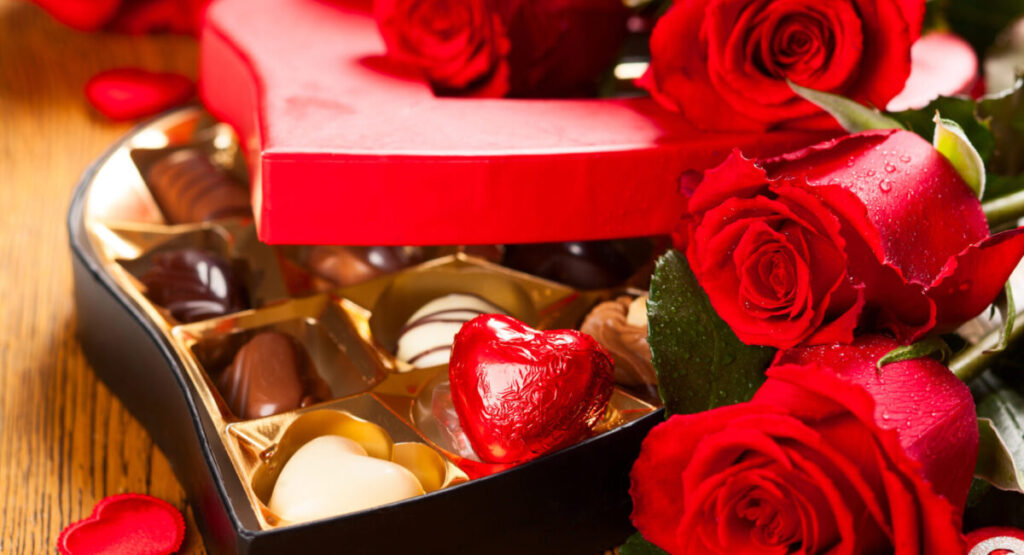
Artisanal chocolatiers also enjoy their moment, producing heart-shaped creations, delicate pralines, and boxes adorned with tender messages. Gift-giving is generally understated: jewelry appears for special commitments, perfume is a timeless favourite, and shared experiences—massages, weekend escapes, cultural outings—have become increasingly common. What people value most, however, is the intention behind the gesture. A handwritten letter left at breakfast, a walk at sunset, or a small surprise tucked into a coat pocket often carries more emotional weight than anything wrapped in glossy paper.
Valentine’s Day in France Varies by Region
While Paris may reign as an international symbol of love, Valentine’s Day in France unfolds in a mosaic of regional colours. Normandy, for instance, has its own charming tradition. In the Pays de Bray, lovers sometimes exchange Neufchâtel cheese, a creamy, heart-shaped specialty whose silhouette dates back centuries. According to local legend, young Norman women shaped their cheeses into hearts during the Hundred Years’ War to charm English soldiers.
Some echoes of older customs also linger in the national imagination. The former loterie d’amour, practiced in several rural regions, had young unmarried people calling out from facing windows until they paired off, an unpredictable ritual that sometimes led to teasing or symbolic burnings of effigies when matches proved disappointing. Today the tradition survives only as a historical anecdote, but its spirit reminds us that love has long inspired creativity, mischief, and a bit of chaos.
Young French People are Reframing Romance
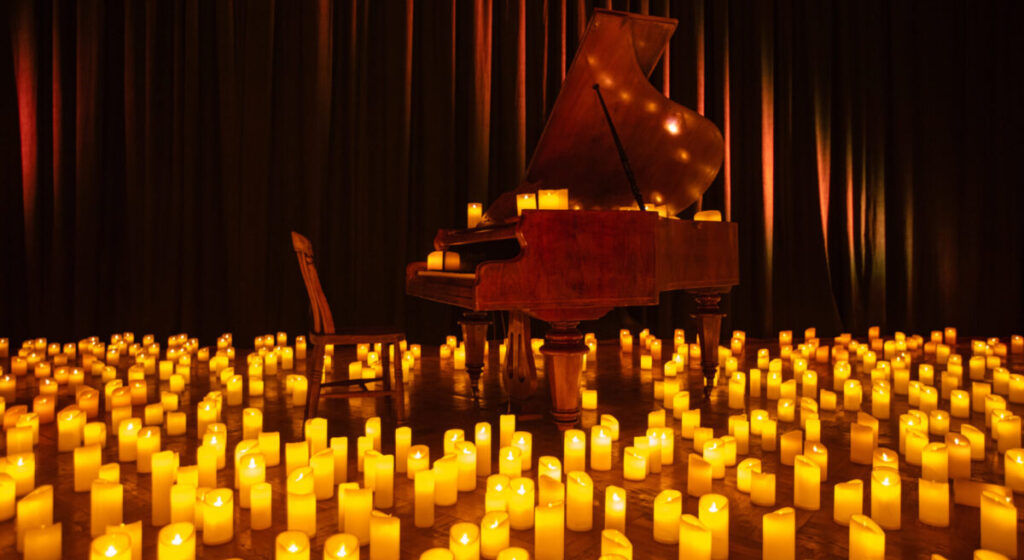
Among younger generations, Valentine’s Day has taken on a different rhythm. Many young couples prefer authenticity over ceremony. They cook together, curl up for a film, book a massage, or attend candlelit concerts (which have become wildly popular in major cities). Experiences often win out over material gifts, and the celebration takes a creative or relaxed shape.
At the same time, young adults feel freer to reinvent the holiday. Some host gatherings with friends under the playful banner Sans Valentin (without Valentin). Even bars have gotten in on the action by organizing Valentine’s Day singles parties in Paris, Lyon, Marseille, and Lille. It’s an opportunity for those looking for a valentine, to meet new people, or simply to have a good time.
Others treat themselves, buying flowers for their own apartment, planning a solo activity, or simply indulging in a quiet moment of self-care. It’s a softer, more personal approach, reflected in the fact that almost one third of single French people consider buying themselves a gift.
Social media accelerates this evolution. Couples share glimpses of cozy dinners, handmade gifts, or weekend escapes, inspiring more individualized rituals. Romantic playlists circulate widely, and recommendations for intimate museums, candlelight concerts, or tucked-away restaurants travel fast.
Not Everyone in France Celebrates Valentine’s Day
France remains divided over Valentine’s Day. A significant portion simply opts out—because they’re single, because they find the holiday outdated, or because they prefer spontaneous romance to scheduled affection. Students are among the least interested, often for budgetary or ideological reasons. Overall, a clear majority of French people—57%—say they will not mark Valentine’s Day, whether because they are single or because they consciously opt out of the celebration, even while in a relationship.

Even long-term couples sometimes ignore the date, feeling that affection is expressed more meaningfully throughout the year. Some dislike the pressure to stage the perfect evening or to match an invisible standard of romance.
Yet despite this ambivalence, the holiday still exerts a quiet pull. Florists fill their windows, restaurants overflow, and conversations inevitably return to the question of how to celebrate—or whether to celebrate at all. And while commercial campaigns play their part, Valentine’s Day remains a key moment for restaurants. On average, restaurants double their bookings the evening of Valentine’s Day—highlighting that the desire for shared experiences remains strong.
Valentine Marchou is a French journalist with a keen eye for culture, lifestyle, and society. After honing her skills in several French newsrooms, she now aims to tell stories that bridge French and English-speaking worlds through art, food, and everyday life.


