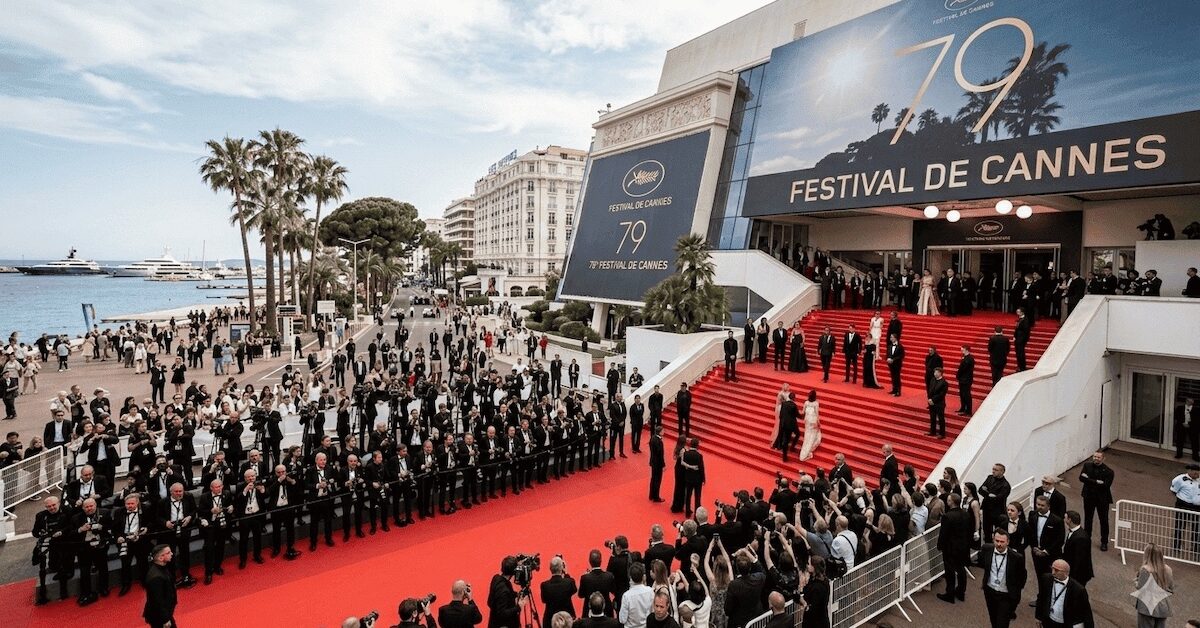
Another Cannes Film Festival has come and gone, leaving in its wake a wistful yearning for all things French and cinematic… especially for those of us who didn’t make it to the Croisette for the legendary premieres, red carpet fashion, and star gazing!
After 12 days of flashy premieres, parties, and jury member Demi Moore’s spectacular red carpet looks, there’s one question on everyone’s mind: Why is John Travolta sporting a beret, and can he pull it off? But once the shock and awe of Pulp Fiction star’s new look wore off, we shifted our attention to the festival’s heart and soul—the movies—and the question of who would win the Palme d’Or at the 79th edition of the most glamorous film event on earth.
A Palme d’Or for ‘Fjord’
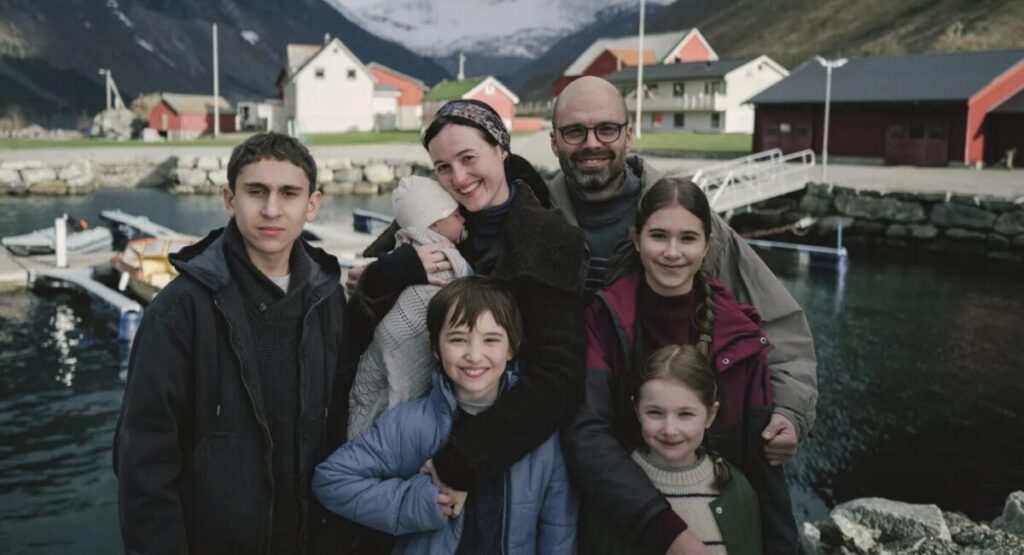
The top prize at Cannes, the Palme d’Or, was awarded to Cristian Mungiu for his first English-language film, Fjord, starring Renate Reinsve (Sentimental Value) and Sebastian Stan (The Apprentice) as a religious couple with five children who move to a small Norwegian village only to be accused of child abuse. The choice surprised some critics, who had set their sights on such films as Minotaur, Fatherland, and All of a Sudden.
Mungiu’s tense, complex drama won the Romanian director his second Palme d’Or (his first having been awarded in 2007 for 4 Months, 3 Weeks and 2 Days), gaining him entry into the elite group of only 10 directors in the history of the festival who have won the coveted award twice.
Not surprisingly, Neon picked up Fjord for U.S. distribution prior to the festival. The company has an uncanny ability to pick a winner, having snatched up the rights to the winning film for the last seven years, bringing films like It Was Just an Accident, Anora, and Parasite to Palme d’Or —and subsequent Academy Award—glory. Lucky for us, this means the film will likely make it to American screens sometime this fall.
Russian director Andrey Zvyagintsev’s Minotaur, a loose remake of Claude Chabrol’s The Unfaithful Wife that situates the original’s infidelity narrative in the context of the Russia-Ukraine war, took home the Grand Prix, while the Jury Prize went to German director Valeska Grisebach’s crime drama The Dreamed Adventure, which takes place on the Bulgarian-Turkish border.
The prize for Best Director was shared between Spanish directors Javier Calvo and Javier Abrossi for their film The Black Ball, starring Penelope Cruz and Glenn Close, and esteemed Polish director Pawel Pawlikowski for Fatherland, the buzzed-about story of German Nobel Prize-winning author Thomas Mann and his daughter Erika (played by Anatomy of a Fall star Sandra Hüller) taking a European road trip during the Cold War.
Best Actor went to Emmanual Macchia and Valentin Campagne, who play World War I soldiers who fall in love, in Belgian director Lukas Dhont’s French-language film Coward. Best Actress was awarded to ubiquitous French actress Virginie Efira (Other People’s Children) and Japanese actress Tao Okamoto, for their performance as a caregiver and terminally ill patient in Drive My Car director Ryusuke Hamaguchi’s All of a Sudden.
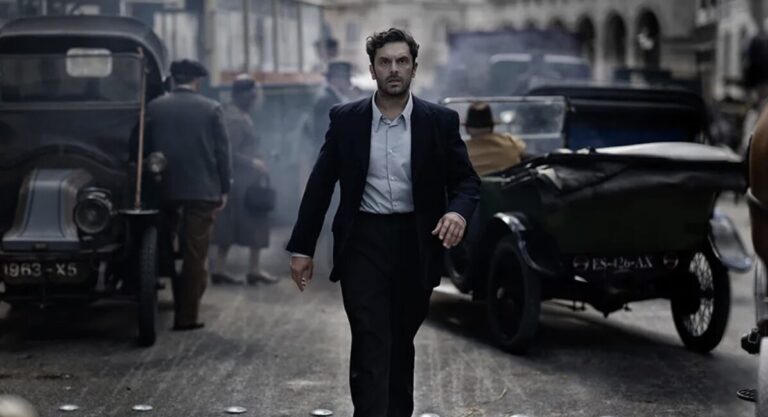
The award for Best Screenplay went to French writer/director Emmanuel Marre for A Man of His Time, which stars Swann Arlaud as a functionary in France’s collaborationist Vichy regime during World War II. Rwandan director Marie-Clémentine Dusabejambo made history by taking home both the Camera d’Or (the award for best first feature film), and the FIPRESCI Prize in the Un Certain Regard section (which highlights daring, unconventional narratives), for her debut feature Ben’Imana.

Le Marché du Film
In addition to screening new films for the public, Cannes is also recognized as being one of, if not the most, important international film markets, where producers, agents, distributors, and sales reps do the business of buying, selling and financing films. Films purchased by American distributors mean films making their way to American screens, which is good news for those of us feeling left out of all the fun.
Films acquired during the 2026 Market include Louis Clichy’s animated Un Certain Regard pick Iron Boy by Sony Pictures Classics, Phuong Mai Nguyen’s animated Critics’ Week film In Waves by Netflix, Austrian director Marie Kreutzer’s competition entry Gentle Monster, starring Léa Seydoux (Netflix); Lukas Dhont’s Coward (MUBI); Javier Calvo and Javier Ambrossi’s The Black Ball by Netflix (following a heated bidding war); Kiyoshi Kurosawa’s The Samurai and the Prisoner (Janus Films); and Jordan Firstman’s super buzzy Un Certain Regard debut Club Kid, which A24 reportedly snagged for a stunning $17 million.
Films acquired prior to the festival include: the restoration and rerelease of Ken Russell’s controversial 1971 film The Devils (which takes place in France); James Gray’s competition entry Paper Tiger, starring Miles Teller, Adam Driver and Scarlet Johanssen (Neon); and Andrey Zvyagintsev’s Minotaur (MUBI).
The many pre-sold films that already have distribution include: Palme d’Or winner Fjord (Neon), Ryusuke Hamaguchi’s All of a Sudden (Neon), Pedro Almodóvar’s Bitter Christmas (Sony Pictures Classics), Arie Esiri and Chuko Esiri’s Clarissa (Neon), Pawel Pawlikowski’s Fatherland (MUBI), Nicolas Winding Refn’s Her Private Hell (Neon), Na Hong-Jin’s Hope (Neon), David Greaves’s Once Upon a Time in Harlem (Neon), Hirokazu Kore-eda’s Sheep in a Box (Neon), I Saw the TV Glow director Jane Schoenbrun’s much-hyped Teenage Sex and Death at Camp Miasma (MUBI), The Anatomy of a Fall co-screenwriter Arthur Harari’s The Unknown (Neon), and Zachary Wigon’s Victorian Psycho (Bleecker Street).
What’s New on the Red Carpet?
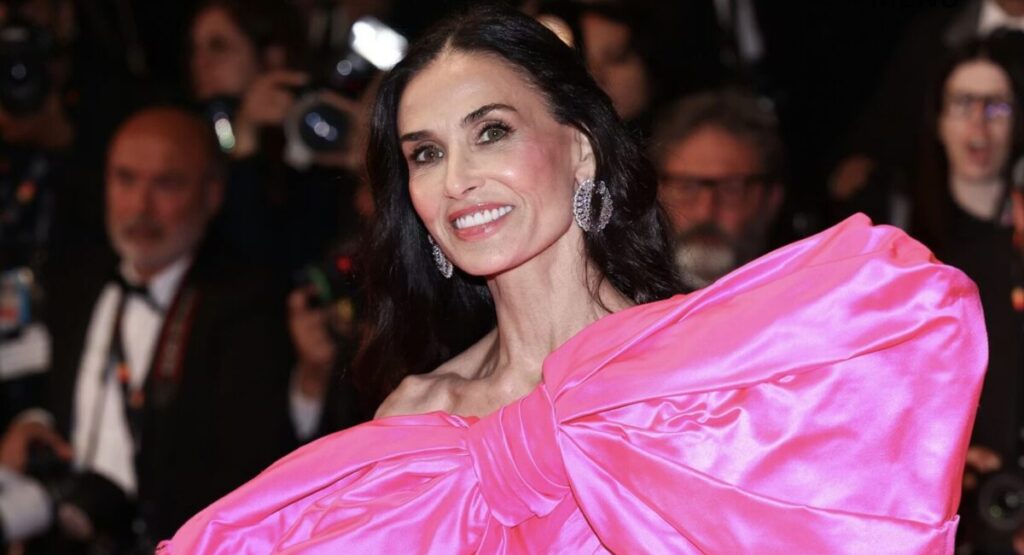
Besides Travolta’s beret and Demi’s parade of showstoppers, the trend that most obsessed the internet this year was the daring rise of the Naked Dress. Last year the festival famously banned nudity on the red carpet, and this year starlets and style gurus reacted defiantly by showing as much skin as possible without strutting the carpet au naturel.
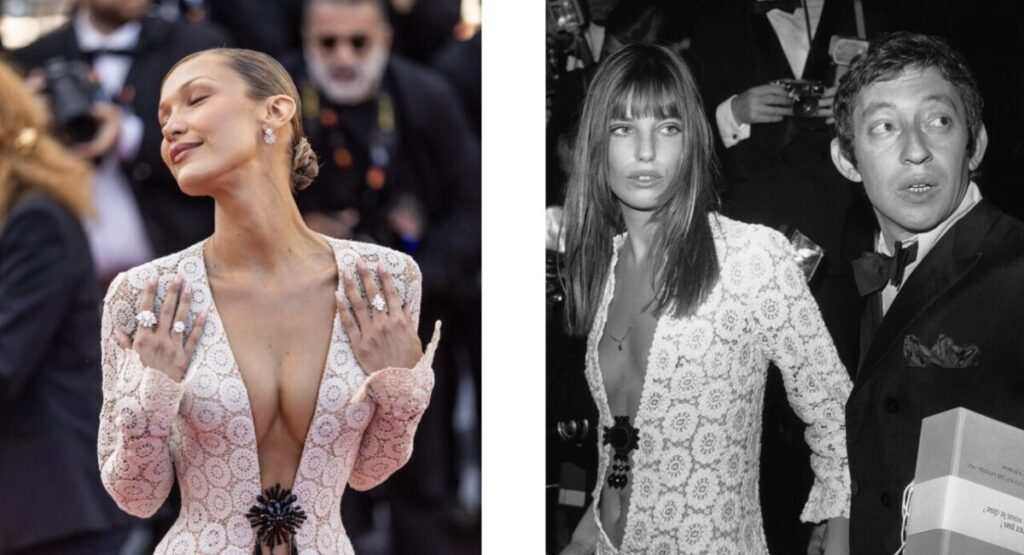
With everyone from Daisy Edgar-Jones, to Kristen Stewart, to Hamnet director and jury member Chloé Zhao flaunting their flesh, model Bella Hadid received added attention for her more form-fitting tribute to the iconic sheer crocheted dress worn by late starlet/model/singer Jane Birkin in 1969.
On the more modest end of things, Isabelle Huppert, who starred in Iranian auteur Asghar Farhadi’s Parallel Tales along with Catherine Deneuve, Virginie Efira, and Vincent Cassel, was as stunning as ever in a striking red gown by Gucci.
Politics vs. Art at Cannes
At this year’s Berlin Film Festival, acclaimed German director Wim Wenders suggested that filmmakers should stay out of politics.
In response, at the May 12 opening ceremony for Cannes, South Korean filmmaker and Jury President for the main competition Park Chan-wook said, “I don’t think art and politics should be divided. I think it’s a strange concept to think that they’re in conflict with each other.” He later cautioned against letting politics overwhelm artistry: “Even if we are to make a brilliant political statement, if it’s not expressed artfully enough, it would just be propaganda.”
Jury member Demi Moore added, “If we start censoring ourselves, then we shut down the core of our creativity.”
Speaking at the press conference for Spanish director Rodrigo Sorogoyen’s competition title The Beloved, the film’s star, Spanish actor Javier Bardem, spoke openly about Gaza, saying, “I’m learning every day to try to be more empathetic with my fellow human beings. As you get older, you understand that there is no one truth, but there are certain things that are objectively speaking facts. For example, that in Gaza there has been and is still being committed, a genocide.”
When asked whether he fears being blacklisted for his opinions, he responded, “I had a whole host of offers in the U.S., in Europe, and South America, and in Spain. That made me think that things are changing. Everyone is beginning to realize this [conflict in Gaza] is unacceptable. It cannot be justified; there can be no reason, no explanation for this genocide.”
Dogme 95 and AI Backlash
Some of the politics entering the discussion were explicitly linked to filmmaking. In response to the onslaught of AI, a group of five Nordic directors announced at Cannes 2025 that they were relaunching the Dogme 95 movement founded by Danish director Lars von Trier, which espoused bringing filmmaking back to the basics. The original movement and the current version inspired by it both follow strict guidelines, including only shooting on location, using natural sound, handheld cameras, 35 mm film, natural lighting, and no special effects, with no gratuitous action, no genre films, and no credit for the director.
At this year’s festival, a group of top German directors announced that they were launching a German branch of the proposal. Two other European countries have now launched their own versions of the initiative. Germany presented five of its top directors at Cannes, with Tom Tykwer working on a film inspired by his mother, and Ilker Catak beginning research for his feature without using the internet, as per the Dogme rules. An English branch of the project was also announced, and Swedish filmmaker Isabella Eklof, of the Nordic cohort, premiered footage of her Dogme-inspired film Mr. Nawashi. In keeping with the manifesto guidelines, Netflix announced that they have joined the effort as a financing partner and will stream the films on its platform without altering the content. Rule four of the new manifesto reads: “We’ll only accept funding with no content-altering conditions attached.”
At the same time Meta, which has been investing heavily in AI, was a prominent sponsor of this year’s festival, and has announced a multi-year strategic partnership with Cannes. This American interference comes at an odd time, considering the absence of Hollywood from Cannes in 2026, leading many to report a quieter festival than in past years without the spectacle of commercial heavy hitters like Steven Spielberg and Tom Cruise on the Croisette.
Beyond Ira Sachs’ The Man I Love and James Gray’s Paper Tiger, American attendees mainly included actors and crew involved in the international films that were screening. There were also appearances by the cast—Laura Dern, Vincent Cassel—of the upcoming White Lotus season that is shooting in France.
Hollywood studios are clearly taking a step back from the European red carpet, even as American tech is capitalizing on Cannes’ prestige. Whether more American films will be invited to participate next year—and whether those studios will accept—remains to be seen. But as for supporting filmmakers in the battle against AI, the question remains: can Cannes have its cake and eat it, too?
Cannes Film Festival 2026 Award Winners
Competition
Palme d’Or: Fjord, Cristian Mungiu
Grand Prix: Minotaur, Andrey Zvyagintsev
Jury Prize: The Dreamed Adventure, Valeska Grisebach
Best Director: Javier Calvo and Javier Ambrossi, The Black Ball; Pawel Pawlikowski, Fatherland
Best Actress: Virginie Efira and Tao Okamoto, All of a Sudden
Best Actor: Emmanuel Macchia and Valentin Campagne, Coward
Best Screenplay: A Man of His Time, Emmanuel Marre
Camera d’Or for Best First Feature: Ben’imana, Marie-Clémentine Dusabejambo
Short Film Palme d’Or: Para Los Contrincantes, Federico Luis
Un Certain Regard
Un Certain Regard Prize for Best Film: Everytime, Sandra Wollner
Jury Prize: Elephants in the Fog, Abinash Bikram Shah (first film)
Special Jury Prize, Iron Boy, Louis Clichy
Best Actor, Bradley Fiomona Dembeasset, Congo Boy, dir. Rafiki Fariala
Best Actress: Marina de Tavira, Daniela Marín Navarro, Mariangel Villegas, Siempre Soy Tu Animal Materno, dir. Valentina Maurel and Everytime, Sandra Wollner
Jury Prize: Elephants in the Fog, Abinash Bikram Shah (first film)
Special Jury Prize: Iron Boy, Louis Clichy
Best Actor: Bradley Fiomona Dembeasset, Congo Boy, dir. Rafiki Fariala
Best Actress: Marina de Tavira, Daniela Marín Navarro, Mariangel Villegas, Siempre Soy Tu Animal Materno, dir. Valentina Maurel
Andrea Meyer has written creative treatments for commercial directors, a sex & the movies column for IFC, and a horror screenplay for MGM. Her first novel, Room for Love (St. Martin’s Press) is a romantic comedy based on an article she wrote for the New York Post, for which she pretended to look for a roommate as a ploy to meet men. A long-time film and entertainment journalist and former indieWIRE editor, Andrea has interviewed more actors and directors than she can remember. Her articles and essays have appeared in such publications as Elle, Glamour, Variety, Time Out NY, and the Boston Globe.