Every summer, the same images circulate around the world. Parisian cafés bathed in golden light, lavender fields in Provence, yachts docked along the Côte d’Azur, château-lined valleys straight out of a fairy tale. For international visitors, these places define vacationing in France. But for the French themselves, holidays rarely look like this.
In reality, most French people do not spend their summers chasing iconic landmarks or ticking destinations off a bucket list. Their idea of a successful vacation is quieter, slower, and often much closer to home. Rather than Paris or Saint-Tropez, they favor rural regions, discreet coastlines, forested hills, and mid-sized towns where life moves at a gentler pace, often staying in family homes, rented gîtes, camping sites, or small guesthouses.
France is also one of Europe’s champions of domestic tourism. A large majority of French vacationers stay within the country, not only because of cost or convenience, but because the diversity of landscapes allows them to disconnect without crossing borders. Sea, mountains, countryside, and forests are often just a few hours’ drive away. What emerges from these choices is a distinctly French approach to travel, rooted in proximity, simplicity, and a deep attachment to place.
Local French Vacation Destinations
Brittany’s Island of Molène
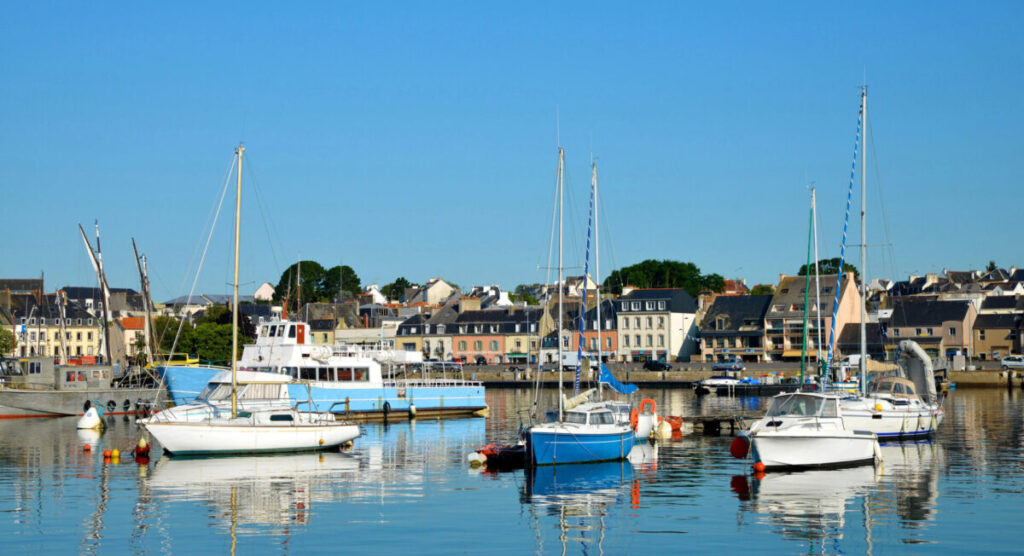
Off the western tip of Brittany, Molène sits in the Iroise Sea, a windswept island barely a mile long. Accessible by ferry from Brest or Le Conquet, it feels far removed from mainland France despite the short crossing. There are no grand attractions here, only a compact village of stone houses, open moorland, and a rugged coastline where seabirds nest and tides rule daily life.
French visitors come to Molène for its raw beauty and its sense of isolation. Days are spent walking the coastal path, swimming in surprisingly clear waters, watching fishing boats return to port, and sharing meals of fresh seafood. The pace is slow, conversations are unhurried, and evenings are quiet.
What people love most is the feeling of being temporarily cut off from modern urgency. There are few cars, little noise, and no spectacle. Molène offers an elemental version of a seaside vacation that appeals to French travelers seeking calm rather than entertainment.
The Var Hinterland in Provence
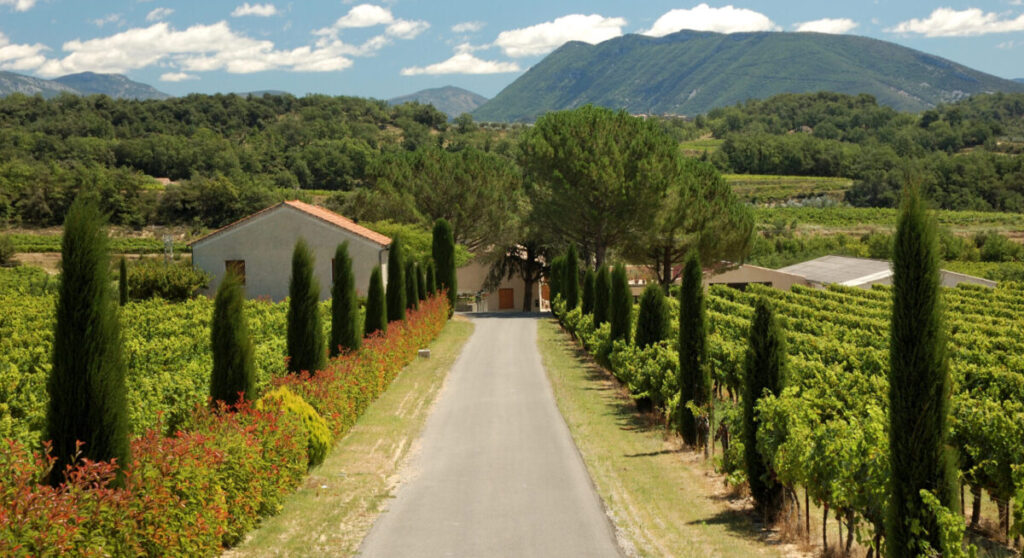
While tourists crowd the beaches of the French Riviera, many French vacationers head inland, toward the shaded valleys and rivers of the Var hinterland. Less than an hour from the coast, villages around Fayence, Draguignan, and Entrecasteaux offer a very different Provence from the one you see in postcards.
Here, vacations revolve around freshwater swimming in rivers like the Siagne, Argens, or Nartuby, afternoon naps under plane trees, and visits to weekly markets. The landscape is green and hilly, dotted with olive groves and vineyards rather than yachts and beach clubs.
French visitors appreciate the balance this region offers. It retains Provençal charm and sunshine while avoiding coastal congestion. The atmosphere is relaxed, local, and family-friendly. People come for simple pleasures: cool water on hot days, quiet villages, and evenings spent outdoors with friends.
Livradois-Forez Regional Natural Park, Auvergne
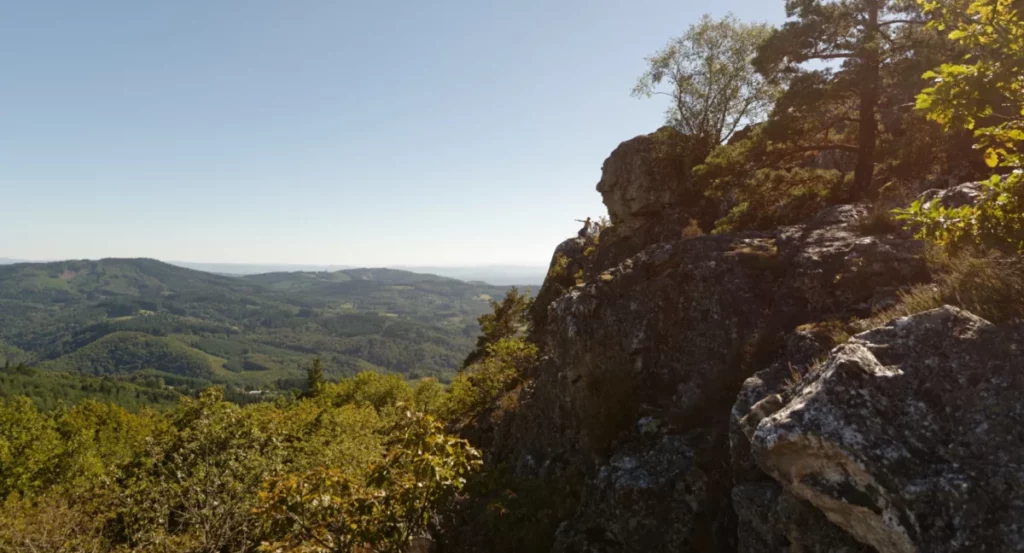
In the heart of central France, Livradois-Forez is one of the country’s largest regional natural parks, yet it remains largely unknown outside France. Located between Clermont-Ferrand and Saint-Étienne, it is a land of forests, volcanic plateaus, and wide open spaces.
French travelers are drawn here for hiking, cycling, and a sense of remoteness. With thousands of miles of trails, the park is ideal for long walks through silent landscapes.
Auvergne’s local cuisine features hearty regional staples such as Fourme d’Ambert, a mild and creamy blue cheese; Le Puy green lentils, prized for their firm texture; and potée auvergnate, a slow-cooked stew of pork, cabbage, and root vegetables traditionally made for cold mountain winters.
The appeal lies in the region’s tranquility. There are no crowds and little infrastructure designed for mass tourism. Vacations here are about breathing deeply, rediscovering slowness, and reconnecting with nature.
Quercy and the Causses du Lot
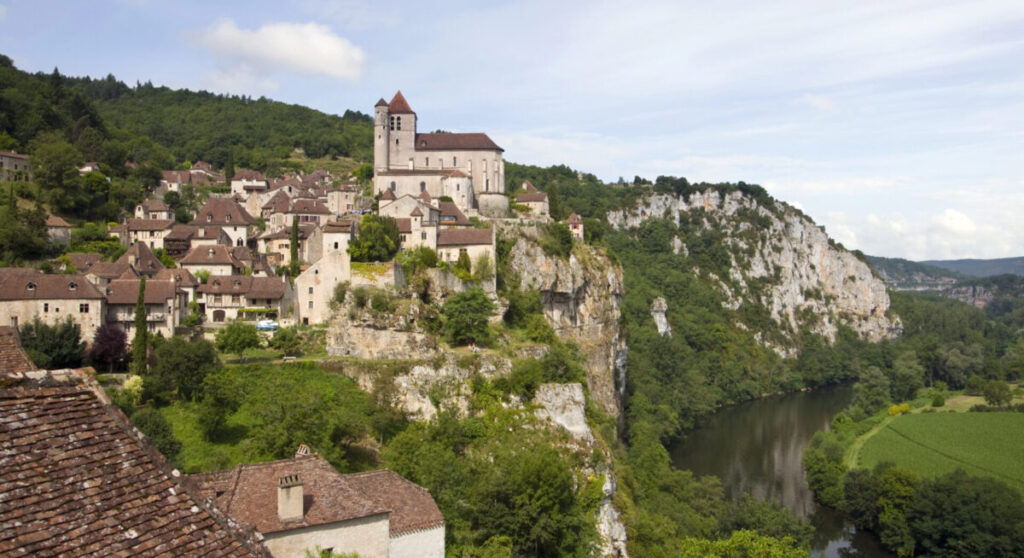
The Quercy region, centered around the Lot department, blends dramatic limestone plateaus with medieval villages and deep river valleys. Nearby Rocamadour is a medieval village built into a sheer limestone cliff, famous for its religious sanctuaries stacked vertically along the rock face, which have made it a major pilgrimage site and a magnet for visitors. Yet beyond this iconic site, French vacationers tend to drift into the surrounding countryside, particularly once the summer crowds thin out.
The towns of Cahors and Figeac provide cultural anchors in Quercy, but the real charm lies in hiking along the region’s dry-stone walls, swimming in the Lot River, and visiting caves and sinkholes. Local markets showcase walnuts, duck products, and Malbec wine.
French visitors appreciate the region’s balance of heritage and calm. It feels historic without being staged. The atmosphere is contemplative, ideal for travelers who enjoy slow exploration and long conversations over good food.
The Côte Bleue, West of Marseille
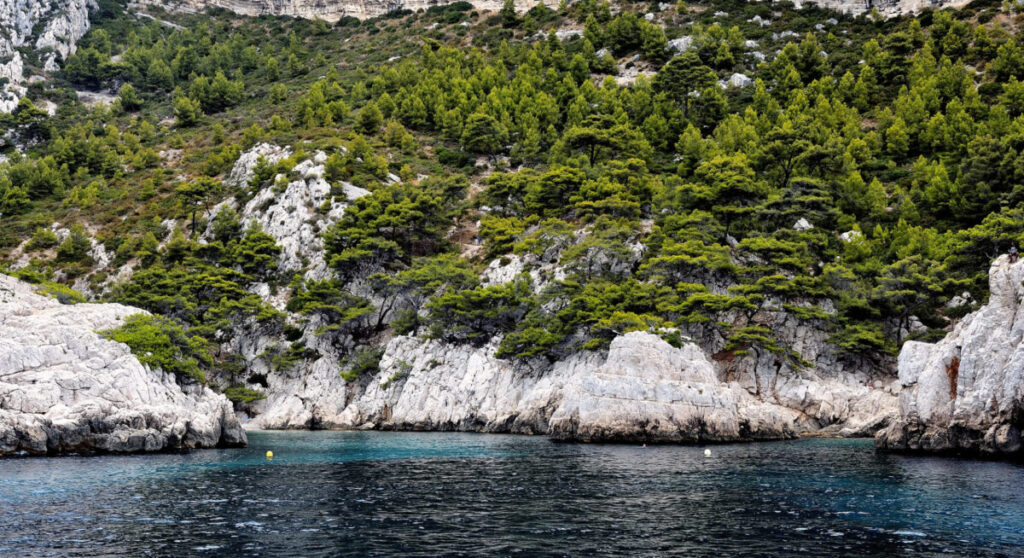
Stretching between Marseille and Martigues, the Côte Bleue offers rocky coves and turquoise water without the crowds of the nearby Calanques National Park, marked by steep limestone cliffs, hidden coves, and turquoise water.
The Côte Bleue is reached by a scenic coastal train that clings to the cliffs west of Marseille, opening onto a string of small fishing villages. In Niolon, pastel houses cluster tightly around a narrow inlet, their shutters faded by salt and sun, while the smell of seaweed and grilled fish drifts up from the tiny port. In nearby La Redonne, stone buildings and terraced paths descend toward a sheltered cove where locals dive straight from the rocks into clear water.
French vacationers come here to swim, snorkel, hike coastal trails, and enjoy simple seafood lunches. The presence of protected marine areas enhances underwater life, making snorkeling particularly appealing.
What sets the Côte Bleue apart is its unpretentious charm.There is no Riviera glamour here, only sun-bleached limestone, clear water, and a way of life shaped by fishing, working harbors, and daily swims before dinner. It is Mediterranean living stripped down to its essentials.
Morvan Regional Natural Park, Burgundy

The Morvan is a forested granite massif rising gently from the vineyards of Burgundy. Spread across four departments, it feels like an island of wilderness in central France. Lakes, rivers, and deep forests dominate the landscape.
French visitors favor the Morvan for outdoor activities such as hiking, mountain biking, canoeing, and swimming in natural lakes. Cultural landmarks like Vézelay and Bibracte add historical depth but never overwhelm the region’s rural character. Vézelay rises on a hilltop crowned by its Romanesque basilica, a major pilgrimage site whose stone streets still feel anchored in village life. Nearby, Bibracte sits quietly in the forest on Mont Beuvray, the remains of an ancient Gaulish capital that blends almost seamlessly into the surrounding landscape.
People love the Morvan for its accessibility and calm. From a single base, it’s easy to reach lakes for swimming, forest trails for hiking, and small towns for markets, all just a short drive away. The roads curve through hills and woods, naturally slowing travel, and vacations here follow the landscape rather than the clock.
Corsica’s Mountain Heartland

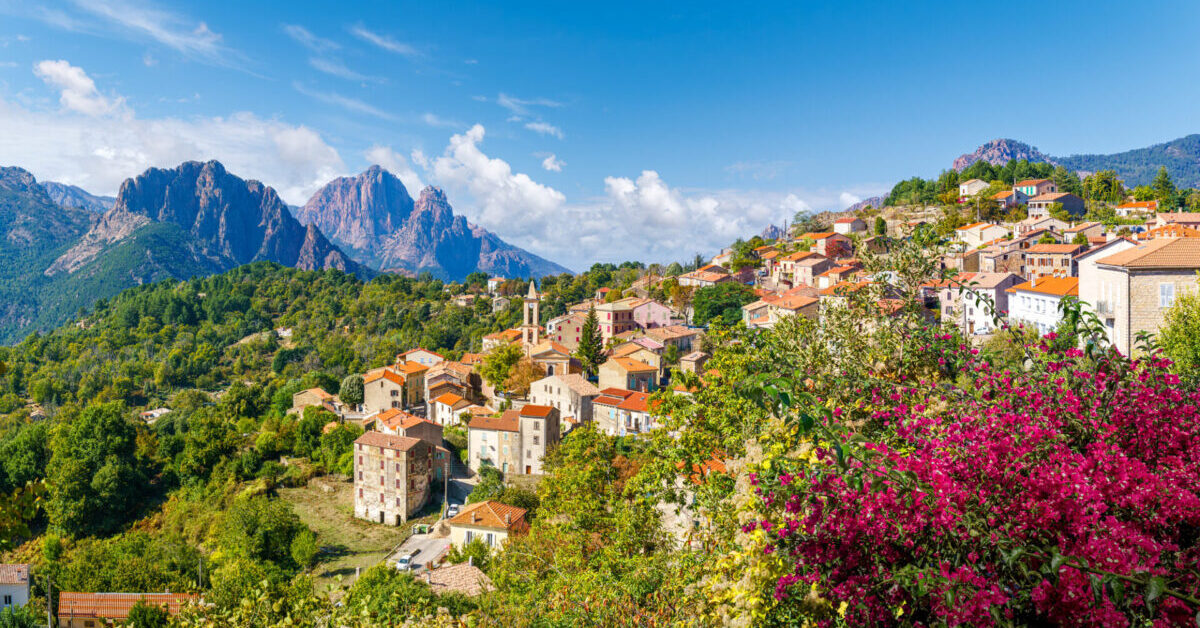
Beyond Corsica’s beaches lies a mountainous interior that many French travelers consider the island’s true soul. Centered around Corte, this region is defined by deep valleys, granite peaks, and remote villages.
French visitors come for hiking, especially along rivers like the Tavignano, and for immersion in Corsican culture. Polyphonic singing, local festivals, artisanal food, and the use of the Corsican language all contribute to a strong local identity in villages like Calasima and the Boziu region, where life feels timeless amid dramatic landscapes.
The atmosphere is intense yet serene. This is a destination for travelers seeking physical engagement with the land.
The Plateau du Bénou, Béarn

Nestled between the Ossau and Aspe valleys in the Pyrenees, the Plateau du Bénou offers pastoral landscapes where cows, sheep, and horses roam freely. The plateau feels expansive and peaceful, yet it remains easily accessible.
Here, French vacationers enjoy walking, gentle hiking, and horseback riding amid open meadows framed by mountain ridges. The absence of fences enhances the feeling of freedom, while nearby villages offer local sheep cheeses, hearty stews like garbure (a traditional cabbage and meat stew), and rustic dishes featuring chestnuts, cured meats, and mountain herbs.
Eastern Cotentin Coast, Normandy

While Normandy’s D-Day beaches attract a lot of international visitors, French vacationers often head further along the eastern Cotentin Coast. Here, sandy beaches stretch quietly between small ports and tidal islands.
Places like Saint-Vaast-la-Hougue and Barfleur offer seafood markets, swimming, and access to islands such as Tatihou. The light, the tides, and the rhythm of fishing life define the atmosphere.
French families love this coast for its natural landscape and affordability. The weather may be unpredictable, but the sense of space, history, and maritime culture creates deeply rooted summer memories.
Cévennes National Park

The Cévennes, straddling several southern departments, remains one of France’s wildest regions. Steep valleys, chestnut forests, and high plateaus form a landscape shaped by isolation.
French travelers come here for long hikes, star-filled nights, and historical routes like the Stevenson Trail, which follows the path taken in 1878 by the Scottish writer Robert Louis Stevenson as he explored the Cévennes on horseback, an adventure he later recounted in his travelogue “Travels with a Donkey in the Cévennes.”
What people value most is the feeling of refuge this area provides. The Cévennes offer silence, resilience, and a powerful connection to land and history, making vacations here feel restorative and introspective.
The Jura Mountains

Between Burgundy and Switzerland, the Jura Mountains offer lakes, forests, and rolling peaks that attract French vacationers year-round. In summer, swimming, hiking, and cycling dominate.
French families appreciate the region’s affordability and calm. Lakeside villages like Chalain combine natural beauty with a strong local food culture. The Jura is famous for its cheeses, such as Comté, a nutty, firm cow’s milk cheese aged for months; and Morbier, recognizable by its thin ash layer; meanwhile local vineyards produce vin jaune, a distinctive, long-aged wine, and refreshing vin de paille made from dried grapes.
The Jura appeals to those who want mountain scenery without the intensity or cost of the Alps. It is gentle, accessible, and deeply rooted in everyday French life.
The Berry Region
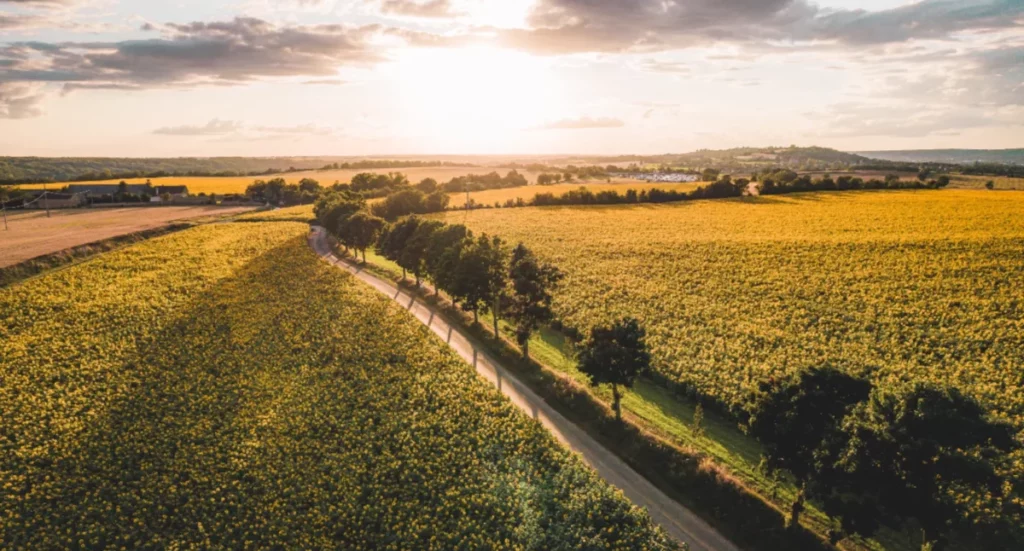
Located in central France, the Berry region is defined by farmland, forests, and quiet towns. Many French people have family ties here, often returning to vacation in inherited family homes passed down through generations, which makes the Berry a beloved destination for multigenerational stays.
Days are spent cycling, fishing, visiting markets, and relaxing near the ponds of the Brenne. There are few major attractions, but that is precisely the appeal. Vacations here are less about discovery and more about returning, reinforcing bonds with places and people.
Inland Southwest: Lot and Gers

Away from the Atlantic coast, the inland southwest offers rolling hills, rivers, and stone villages, with the Gers and Lot departments embodying slow rural living.
French vacationers are drawn here by gastronomy, lively markets, and gentle outdoor activities such as cycling along quiet country roads, strolling through sunflower fields, kayaking on calm rivers, and walking scenic village trails at a relaxed pace. Dishes such as foie gras or duck gizzard salad are central to long local meals, and time stretches easily.
The atmosphere is convivial and grounded. These regions reward those who linger rather than rush, making them favorites among retirees and families alike.
The Aubrac Plateau
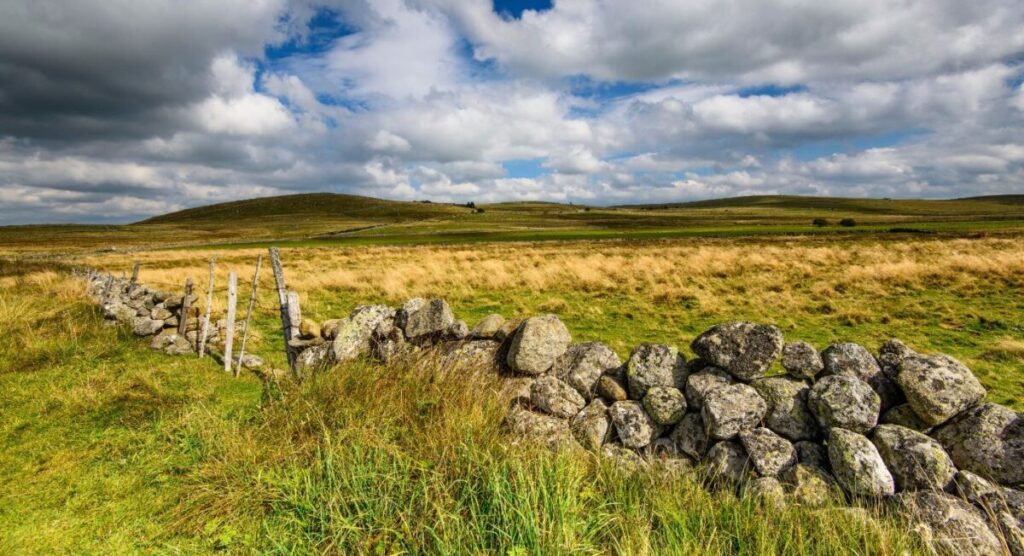
Spanning parts of the Aveyron, Cantal, and Lozère departments, the Aubrac is a high plateau of wide horizons and grazing cattle, sparsely populated and deeply atmospheric.
French travelers come for hiking, silence, and hearty cuisine centered on local beef and aligot, a cheesy mashed potato dish stretched with melted Tomme cheese. The plateau stretches in open grasslands and gently rolling hills, dotted with stone farmhouses and herds of cows, where sudden mists can sweep across the pastures and wind whistles through the sparse birch and beech trees.
The Massif Central Heartland

Not far from the Aubrac plateau, the Massif Central represents a style of vacation centered on camping, hiking, and modest accommodations.
In the Cantal, travelers encounter volcanic peaks, green valleys, and lakes, enjoying hikes along the Plomb du Cantal or picnicking near tranquil reservoirs. Lozère, in contrast, is characterized by vast plateaus, deep gorges, and forests, where families and hikers stay in simple gîtes or campsites, explore the Tarn River by canoe, and follow marked trails through sparsely populated landscapes.
French visitors come here for affordability and space, and the volcanic landscapes, quiet villages, and cool summers that define the experience.
A Different Map of France
The places where the French actually go on vacation reveal a country shaped by tradition, attachment, and slowness. These destinations are not hidden gems but lived landscapes, valued not for their fame but for how they make people feel.
To travel like the French is to stay longer, eat locally, and let time stretch naturally. It is a reminder that France’s most meaningful vacations often unfold far from its most photographed places.
Valentine Marchou is a French journalist with a keen eye for culture, lifestyle, and society. After honing her skills in several French newsrooms, she now aims to tell stories that bridge French and English-speaking worlds through art, food, and everyday life.