
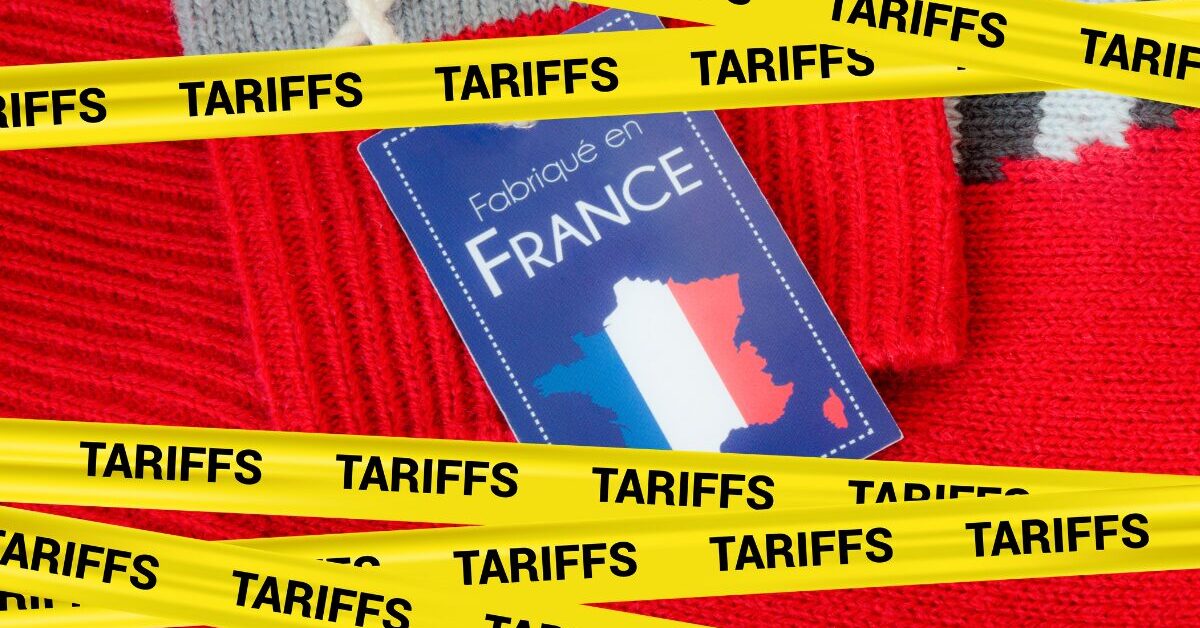
A significant shift in U.S. trade policy is reshaping how French products reach American consumers and redefining the transatlantic marketplace. In June 2025, the Trump administration announced a 15% tariff on a broad array of European imports, with France among the most severely affected. The duties officially took effect on August 29, covering signature goods such as wine, cheese, cosmetics, and specialty foods, and altering long-established trade flows between the two economies. The measure, framed as part of the White House’s effort to recalibrate trade relations with the European Union, is already rippling through supply chains. Shipments that once moved with ease are now slowed by the addition of paperwork and lengthier inspections at U.S. ports. French exporters are scrambling to adapt, while American retailers contend with higher costs and unpredictable delivery schedules.
Yet the disruption has not been without preparation or opportunity. Some importers and specialty grocers anticipated the change and stocked up on essentials months in advance, ensuring shelves would not immediately run bare. At the same time, a growing number of U.S. producers are filling the gap with French-inspired goods, from California vineyards producing Bordeaux-style wines, to Wisconsin cheesemakers putting forward their take on Camembert, offering consumers alternatives rooted in tradition but made closer to home.
The New Rules and Shipping Disruptions

The tariff rollout arrived quickly and with little room for adjustment. For years, French goods flowed reliably across the Atlantic under stable trade terms. That changed with the introduction of new duties and stricter customs codes that caught many exporters off guard.
France’s national postal service, La Poste, announced in late August that it was suspending shipments to the United States. The company cited confusion over customs classifications, insufficient technical infrastructure, and a lack of clear instructions from U.S. authorities. A spokesperson told the French broadcaster RTL that shipping conditions had changed overnight, leaving the service no choice but to pause deliveries until new systems were in place.
The situation was made more complicated by revisions to the de minimis exemption. For years, goods valued under $800 per parcel entered the United States duty-free. That threshold has now been lowered for countries subject to tariffs, including France. As a result, even modest items such as soaps, books, and jars of mustard are facing new duties and inspections.
The effects are just as evident on the American side of the Atlantic. Shipments that left French ports in July and August, before the tariffs formally took effect, are now reaching U.S. entry points only to be caught in the transition. Customs and Border Protection has increased inspections at airports and seaports, slowing the release of goods and introducing new layers of paperwork.
French Goods Stuck at U.S. Customs

At airports, smaller parcels are often flagged when invoices or customs declarations do not reflect the updated tariff codes. While most eventually clear, they require resubmitted documents and, in some cases, additional fees.
The delays are more significant at maritime ports, where large containers of wine, textiles, and household goods are held for review. Importers report that some containers have been placed on hold until invoices are revised to reflect the new tariff charges. Others are being assessed for duties retroactively, a process that adds time but usually allows the goods to move forward.
Julien Lafon, a freight coordinator for a Franco-American logistics company in Le Havre, told French media that his teams are working closely with U.S. brokers to manage the change. “Customs officers want more detailed paperwork than before, and it can take several days to adjust,” he said. “But once the requirements are met, most containers are released. The process is slower, but it is not blocked.”
Customs officials have privately acknowledged that the transition is demanding for both sides. Larger importers with compliance staff are adapting more smoothly, while smaller producers, especially family-run vineyards and artisanal workshops, face greater strain. For exporters of perishable goods such as cheese, timing remains critical, as delays can undermine entire shipments. Yet many logistics firms say clearance will become more predictable as procedures settle into place.
E-Commerce Giants Are Adjusting to a New Reality

The end of the de minimis exemption has also reshaped the e-commerce landscape. Platforms such as Amazon, Etsy, and eBay depend on cross-border sales, and the new tariffs are testing their ability to deliver French products to American customers.
Amazon, the largest online retailer, has managed the transition with relative ease. Its in-house customs brokerage and U.S. warehouse network allow it to route French goods through more controlled channels. French cosmetics, home décor, and other select products remain available on its U.S. marketplace, though shipping is slower and prices higher than before.
Etsy and eBay, whose marketplaces heavily depend on small international vendors, are experiencing sharper disruption. Many French artisans and vintage resellers have paused U.S. orders until they can update paperwork and comply with customs rules. The stock market reacted swiftly. Etsy’s shares fell more than 14% after the policy change, while eBay dropped about 6%, reflecting investor concern over compliance costs and potential declines in cross-border trade. Etsy has warned publicly that the new policy could have significant consequences. In a statement to U.S. officials earlier this year, Jeffrey Zubricki, the company’s head of global policy, noted that “many American Etsy sellers rely on de minimis to import and export products with key trading partners, sustaining their businesses and generating income to support their families.”
For consumers, the effect varies. Amazon shoppers still find French imports on offer, but at higher prices. On Etsy and eBay, where sellers must independently navigate new requirements, listings for French goods have become less predictable.
French Goods Still Reach American Shelves

Even with tariffs and shipping delays, French grocery stores in the United States continue to supply customers with the essentials of French cuisine and lifestyle. Many importers anticipated the new U.S. tariff rules and stocked up on non-perishable French products such as Dijon mustard, foie gras, sardines, jams, olive oils, and Marseille soaps. That foresight has enabled them to maintain steady inventory levels while new customs procedures are implemented.
Across the country, brick-and-mortar épiceries remain strongholds for French food lovers. In San Francisco, Marché Cezanne offers a curated selection of French wines, cheeses, and pantry staples. In Ohio, The French Store in Dublin serves both the local French expatriate community and Americans looking for authentic French charcuterie, biscuits, and condiments. In New York, French Wink combines a boutique experience with an online marketplace, offering a wide range of products, from French groceries to home goods. These shops have become go-to destinations for consumers seeking French groceries in the U.S.
The online market has grown just as important. Retailers such as The French Farm in Houston, Le Gourmet Central, Simply Gourmand, Frenchery, and Le Petit Depot have reported a rise in demand for French groceries delivered directly to American homes. From French cookies and chocolates to regional specialties like Provençal olive tapenade or Breton butter biscuits, these platforms demonstrate that consumers can still purchase French food online, even as imports face higher tariffs. Many operate out of U.S. warehouses, which allow them to ship quickly and avoid the worst customs delays.
The rising price of imported French goods is also creating momentum for a growing niche market: French-style products made in the United States. Many French expatriates, who first moved to America decades ago, recall how difficult it was to find the staples of daily life they had left behind in France. Some of the earliest efforts to fill that gap came from French winemakers who settled in Napa Valley, bringing with them the techniques and traditions of Bordeaux. Today, their influence is evident in the region’s celebrated Cabernet Sauvignons and sparkling wines, which continue to attract American consumers seeking a taste of France without the delays associated with international shipping. That legacy has expanded well beyond wine. Across the country, French expats and American artisans are introducing a broader range of goods inspired by French culinary and cultural traditions. Vermont and Wisconsin cheesemakers are experimenting with Camembert-style and Brie-style cheeses that appeal to shoppers missing the flavors of Normandy. Brooklyn bakeries are producing baguettes and viennoiseries that rival those found in Paris. In California, artisanal charcuterie makers are adapting French methods to local ingredients, while gourmet startups such as Petit Pot in San Francisco bring French-style puddings to American tables.
Uncertainty Keeps French Imports in Limbo
For now, imports and exports remain in limbo. A federal court has ruled that parts of the tariff package may be unlawful, leaving open the possibility of revisions or exemptions. The rules could still change in the coming months as legal challenges unfold, and negotiations continue. In the meantime, French products are still available in U.S. shops and online, though often at higher prices and with longer delivery times. With Christmas approaching, shoppers eager for a favorite Camembert, Dijon mustard, or Bordeaux may want to buy ahead while supplies are steady. The lingering uncertainty leaves one final question: will Beaujolais Nouveau 2025 be uncorked in the United States this year?
Mariam, originally from Paris, now calls the Bay Area home. A seasoned traveler and writer, she’s always on the lookout for exciting new restaurants, hidden bars, and offbeat experiences. By day, she works in tech in Silicon Valley, leading marketing and development efforts at the French cultural center, Alliance Française Silicon Valley. She has a passion for writing about travel, food, people, and all things unexpected. If you’d like to share your tips and events about Paris and France, please feel free to send them her way at [email protected].