

Wedged between the Pyrenees and the Mediterranean, just a short drive from Spain, Perpignan sits slightly off the classic South of France circuit. It doesn’t try to compete with Nice or Marseille. Instead, it unfolds at its own pace, with palm-lined boulevards, terracotta rooftops, and the hum of daily life drifting out from café terraces. With more than 300 days of sunshine a year and easy access to both beaches and mountains, Perpignan is ideally located.
Perpignan is the historic capital of French Catalonia, and that dual identity shapes everything. You hear Spanish inflections in conversations, see Gothic stone buildings beside colorful townhouses, and move easily from a long French lunch to an evening of tapas-style drinks. It’s not a place to rush. Pleasure here comes from wandering, stopping, tasting, and looking up. Here are some of the best things to do in Perpignan, from historic landmarks and local markets to sunny walks and great places to eat.
The Top Things to Do and See in Perpignan
Le Castillet
The symbol of Perpignan stands at the entrance to the old town like a sturdy red-brick sentinel. Built in the 14th century as a fortified gate, the Castillet once protected the medieval city and later served as a prison. Today it houses the Casa Pairal museum, which explores Catalan life through reconstructed interiors, tools, and folk objects. But the real highlight comes after climbing the tight spiral staircase. From the top terrace, the tile and stone of the city spread out in warm tones beneath you, with the Canigou peak often visible on the horizon.
Cathédrale Saint-Jean-Baptiste and the Campo Santo
Just a few streets away from the Castillet rises the Cathédrale Saint-Jean-Baptiste, a massive Gothic structure built from brick and rounded river stones that give its walls a textured, almost rugged look. Inside, the single wide nave creates an unexpected sense of openness, filtered by soft, colored light. Behind the church lies the Campo Santo, a cloister cemetery framed by graceful arches. In summer, concerts and festivals fill the space with music, and as evening falls the combination of stone, shadows, and candlelight makes it one of the most atmospheric corners of the city.

Palais des Rois de Majorque
Set on a hill south of the center, the Palais des Rois de Majorque recalls the period when Perpignan served as the capital of the Kingdom of Majorca. More fortress than palace, the complex features thick ramparts, courtyards, and defensive towers. Walking the walls offers sweeping views over the Roussillon plain, the sea, and the Pyrenees. The site rarely feels crowded, and its quiet courtyards invite you to slow down and linger, offering a peaceful setting that contrasts with the key strategic role the location once played.
Hôtel Pams
Hidden behind an understated façade on rue Émile Zola, Hôtel Pams surprises visitors with an explosion of Art Nouveau elegance. Originally the private mansion of an industrial family, it now functions as a cultural venue. Inside, marble staircases, painted ceilings, stained glass, and a leafy patio create a slightly theatrical atmosphere. Locals drop in for exhibitions or simply to enjoy the cool courtyard on a hot afternoon. It’s one of those unexpected spaces you stumble upon and remember long after.
Musée Hyacinthe Rigaud
Housed across two historic townhouses, the Musée Hyacinthe Rigaud offers a compact but thoughtful journey through art history. Catalan Gothic altarpieces share space with Baroque portraits and Modernist works by Maillol and Dufy. The museum honors Hyacinthe Rigaud, born in Perpignan and later a portraitist for Louis XIV. The galleries are intimate and easy to navigate, making it possible to take your time rather than rush from room to room.
Casa Xanxo – CIAP
The richly carved façade of Casa Xanxo stands out even in the old quarter. This 16th-century merchant’s house now serves as the Center for the Interpretation of Architecture and Heritage. Exhibits explain the city’s urban evolution and Catalan influences, adding context to everything you’ll see outside. The building itself, with its sculpted stone details and vaulted spaces, is reason enough to step inside.
Historic Center and Place de la République
Beyond the monuments, Perpignan reveals itself in its streets. Around Place de la République, narrow lanes twist past small groceries, bakeries, and shuttered houses painted in faded pinks and yellows. Morning markets bring in fresh produce, and children ride the old carousel in the square. The pleasure of exploring Perpignan’s historic center lies in walking without purpose, drifting from one terrace to another, and observing daily life as it unfolds.
Muséum d’Histoire naturelle
For a quieter, more family-friendly stop, the Muséum d’Histoire naturelle offers free entry and an eclectic collection that ranges from regional wildlife, to minerals, and even an Egyptian mummy. The slightly old-school displays give it charm, and it’s a refreshing change of pace, especially on a hot afternoon.
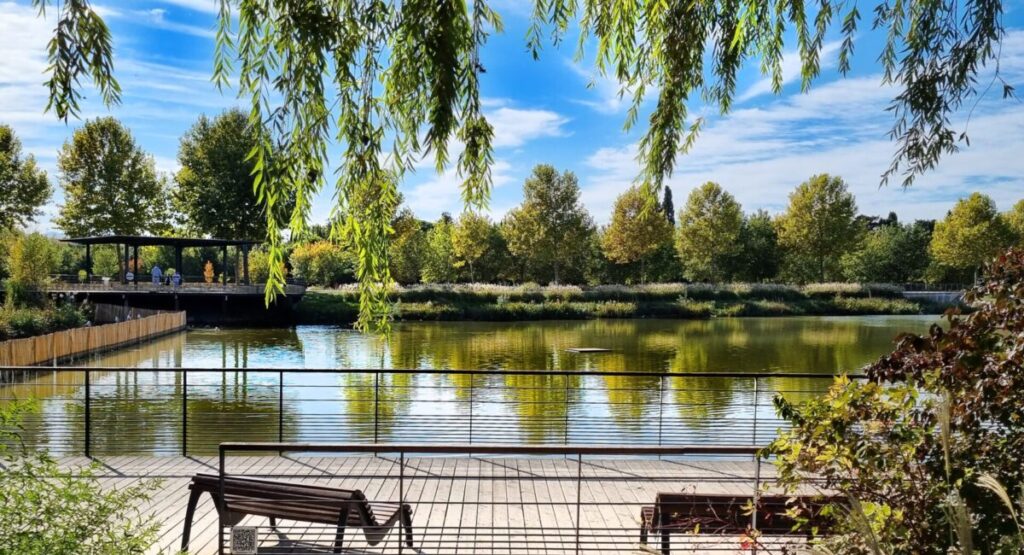
Parc Sant-Vicens
On the edge of town, Parc Sant-Vicens provides shade and breathing room beneath tall trees. Two ponds reflect the sky, and locals come here to jog, picnic, or let kids run free on the playgrounds. Visiting the Parc Sant-Vicens is less about sightseeing and more about slowing down and appreciating a slice of life away from Perpignan’s city center.
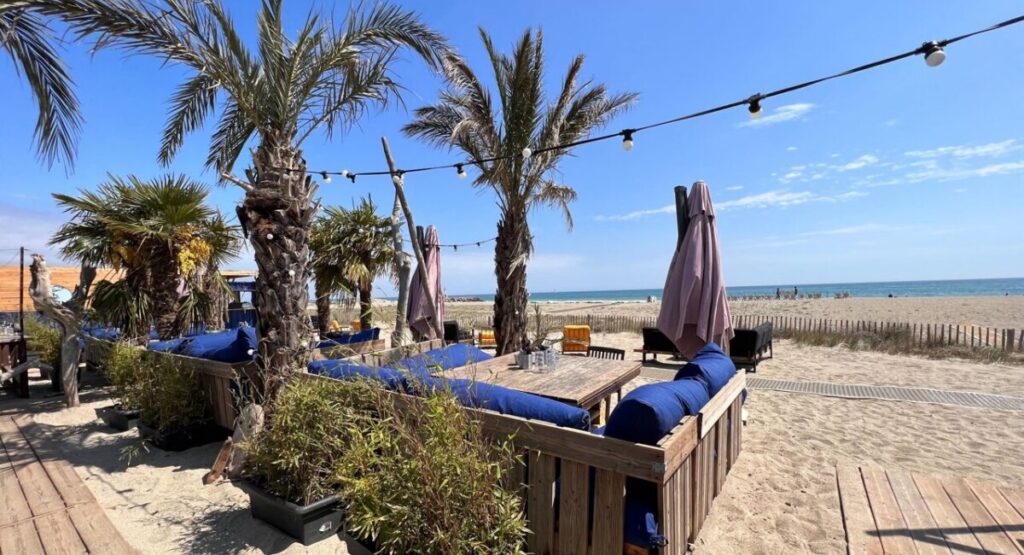
Canet-en-Roussillon Beach
Only about 20 minutes away from Perpignan by bus or bike, the long sandy stretch of Canet-en-Roussillon offers an easy escape to the Mediterranean. Wide beaches, shallow water, and sailing or paddleboarding rentals make it popular with families. From the shore, the outline of the Pyrenees rises behind you, creating the striking feeling of being between sea and mountains at once.
Boat Outings Along the Coast
For a different perspective of Perpignan, renting a small boat or joining a coastal excursion reveals the shoreline from the water. Drifting past dunes and quiet coves under the bright sun, you get a sense of how close nature sits to the city. It’s simple and unfussy, more about fresh air and open horizons than organized entertainment.
Where to Eat in Perpignan
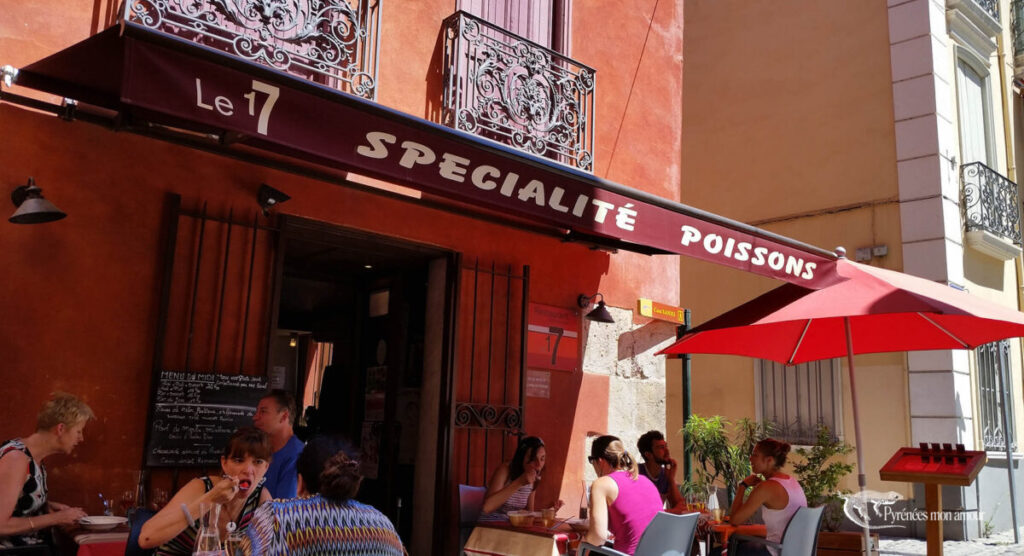
Le 17
Steps from the Cathedral Saint-Jean-Baptiste, Le 17 delivers creative, seasonal cooking in a cozy dining room. Fish dishes, bright sauces, and carefully plated desserts show attention to detail without feeling formal. It’s intimate and often busy, ideal for a relaxed but thoughtful meal.
Le Clos des Lys
Set in a leafy villa just outside downtown Perpignan, Le Clos des Lys combines a garden terrace with refined cuisine cooked over a wood fire or plancha. The setting feels calm and slightly removed from the city, making it a good choice for a long evening dinner.
La Table de Thomas
Located in a rustic mas (a traditional Provençal farmhouse), La Table de Thomas focuses on grilled meats and vegetables sourced nearby. Stone walls, soft lighting, and a shaded garden give the place a countryside feel. The smoky aromas from the fire set the tone as soon as you arrive.
Ô Grain de Sel
Small and welcoming, Ô Grain de Sel offers inventive French plates that change with the seasons. The room feels intimate, the service attentive, and the food precise without being complicated. It’s the kind of spot you recommend quietly to friends.
La Méditerranée
Right in the center of Perpignan, La Méditerranée functions as a classic brasserie with terrace seating and dependable daily specials. Expect generous portions, straightforward flavors, and a steady stream of locals dropping in for lunch or dinner.
L’Hibiscus
Bright and colorful, L’Hibiscus serves Lebanese dishes from morning to night. Tables fill with mezzés, grilled skewers, mint tea, and sweet pastries. The relaxed atmosphere works just as well for a quick bite as for a leisurely meal with friends.
La Berbère
At La Berbère, North African cooking takes center stage, with rich spices, slow-simmered dishes, and house-baked bread prepared in small batches. The approach feels personal and homemade, closer to a family kitchen than a polished restaurant.
Au Goustous
Tucked into Perpignan’s historic center, Au Goustous focuses on Catalan comfort food made with local ingredients. The space is small, the welcome warm, and the plates hearty. It’s easy to see why regulars return again and again.
Where to Go Out in Perpignan
Le 17.45
Le 17.45 revolves around the apéro, letting guests assemble their own boards of cheeses and cured meats to pair with wine. It’s an easygoing place to start the evening, especially with a group.
La Boc
At La Boc, a local craft brewery, organic small-batch beers are poured in a casual taproom with an industrial feel. The crowd is mixed and friendly, and conversations stretch late into the night.
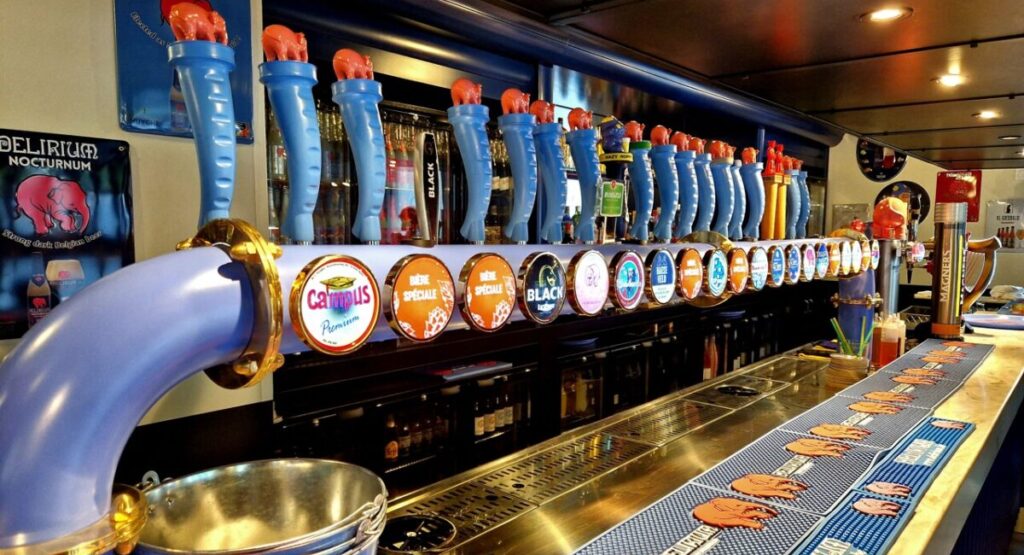
Delirium Café
With dozens of taps and hundreds of bottles, Delirium Café caters to serious beer fans. Sports screens, music, and theme nights keep the energy high, making it one of the liveliest addresses downtown.
Le Jardin Marbeuf
Chic but relaxed, Le Jardin Marbeuf stands out for its elegant setting and inventive alcohol-free cocktails alongside classic drinks. The garden terrace softens the mood, ideal for quieter evenings.
Drinkshop
Part bar, part wine and beer shop, Drinkshop hosts tastings, concerts, and after-work gatherings in a large open space just outside the city center of Perpignan. It feels sociable and unpretentious, perfect for lingering.
L’Arena
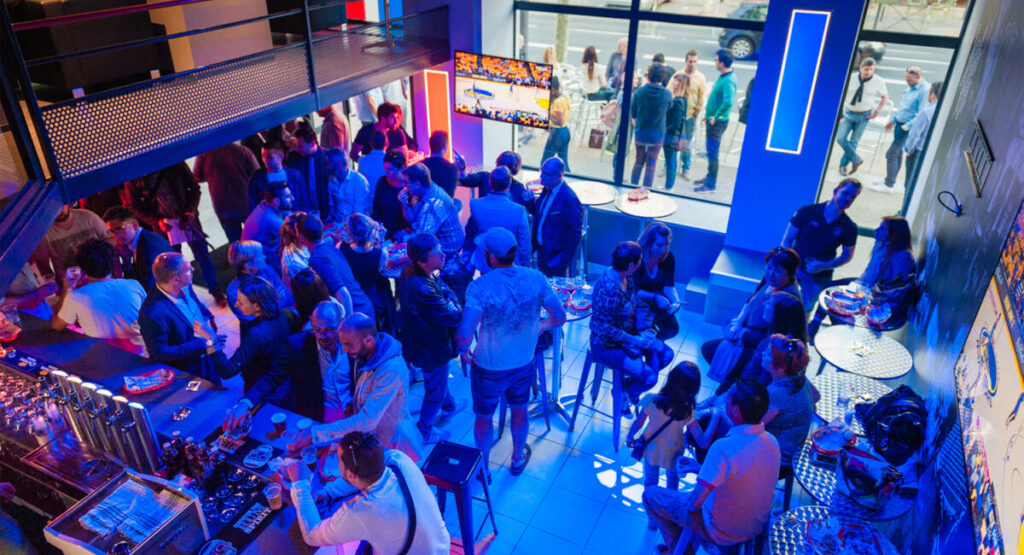
A hybrid between sports bar and gaming lounge, L’Arena mixes big-screen matches with consoles, billiards, and arcade-style fun. It draws a younger crowd and offers a playful alternative to standard nightlife.
How to Get Around Perpignan
Perpignan is small-scale enough to explore mostly on foot. Major sights sit within easy walking distance, and wandering the streets is part of the experience. The Sankéo bus network connects neighborhoods and nearby beaches, while cycling paths make bikes a practical and enjoyable option. The central train station links the city to Montpellier, Toulouse, and Barcelona, and the small aéroport at Perpignan–Rivesaltes handles domestic and select international flights.
Valentine Marchou is a French journalist with a keen eye for culture, lifestyle, and society. After honing her skills in several French newsrooms, she now aims to tell stories that bridge French and English-speaking worlds through art, food, and everyday life.


