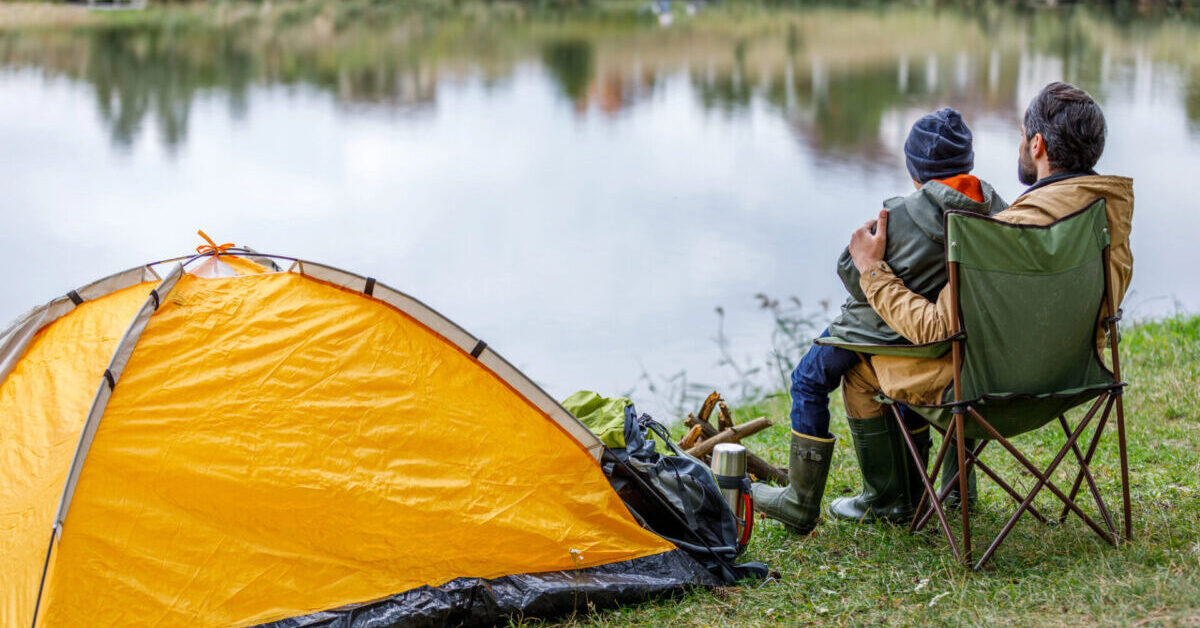
Camping is more than a vacation option in France, it’s a way of traveling that reflects the country’s deep connection to nature. Whether under a tent, in a camper van, towing a caravan, or staying in a mobile home, hôtellerie de plein air (outdoor accommodation) remains one of the most popular ways to explore France. With more than 8,000 official campsites and countless natural areas, France offers some of the most diverse camping experiences in Europe.
From Alpine mountains and Atlantic dunes, to Mediterranean coves and volcanic plateaus, camping in France has options for every travel style. Families often favor fully equipped campgrounds, while hikers, climbers, and cyclists turn to bivouacs located deep in protected wildlife areas. Vanlifers, meanwhile, roam coastal paths and rural backroads, navigating a regulatory framework that varies widely by region.
Understanding these different camping styles—and the rules that apply to them—is essential before planning a trip.

The Different Ways to Camp in France
Camping in France generally falls into four categories:
Traditional Campgrounds
These range from basic municipal sites to luxury “glamping” resorts with pools, restaurants, and mobile homes. Tents, vans, and caravans are all welcome, and regulations are clear and standardized.
Bivouacs
A bivouac is a temporary outdoor shelter used by hikers, mountaineers, and bikepackers, meant for just one night of rest during a journey. Staying in a bivouac involves minimal equipment, as it’s designed for short-term use only. In most national parks, bivouacs are allowed between 7 pm and 9 am, though they must be at least one hour’s walk from any road, and fires are not permitted.
Wild Camping (Camping Sauvage)
Wild camping usually involves staying multiple nights in natural areas, often with vehicles like vans, cars, or campervans. It generally means setting up a temporary campsite with tents or other equipment and is often restricted near coastlines, tourist sites, and protected areas.
Van and Campervan Camping
Van and campervan camping focuses on using the vehicle itself for overnight stays, without additional camping equipment. While overnight parking is allowed in many places in France, setting up awnings, tables, or chairs can make it illegal. Unlike wild camping, this style emphasizes minimal impact and mobility rather than establishing a full campsite.
The Best Camping Spots in France

Hiking & Mountain Camping in France
Parc National des Pyrénées
Accessed from Cauterets, the trailhead is about 6 miles from town, followed by a 4.5-mile hike to the Oulettes refuge area. Camping is limited to bivouacs only, permitted between 7 pm and 9 am, more than one hour from roads. The reward is a dramatic view of the Vignemale, the highest peak in the French Pyrenees. Alpine meadows, glacial valleys, and frequent sightings of lizards and vultures define the landscape. Fires are strictly forbidden, and waste must be carried out. The setting feels remote yet accessible, ideal for hikers seeking a classic high-mountain overnight experience.
Massif du Néouvielle
Located about 20 miles from Saint-Lary-Soulan, you can access the Massif du Néouvielle via mountain roads leading to Lakes Orédon and Aubert. Bivouacs are only allowed in designated areas near these lakes. This granite massif is known for its high-altitude lakes, pine forests, and mirror-like water reflections. Camping is restricted to one night: tents only, no vehicles. The scenery is defined by clear skies, intense light, and pristine ecosystems. Regulations are strictly enforced due to the fragile environment, making this a destination for experienced campers who value silence and conservation.
Parc National des Écrins
The Vallouise valley is roughly 12 miles from Briançon, with trail access extending deep into the park. Bivouacs are allowed from 7 pm to 9 am, at least one hour from road access and outside protected core zones. Towering glaciers, sharp ridgelines, and flower-filled Alpine pastures dominate the scenery. Wildlife includes marmots, ibex, and golden eagles. Fires are prohibited, and noise must be kept to a minimum. The Écrins offer some of the wildest mountain landscapes in France, fostering a true sense of isolation.

Parc Naturel Régional du Vercors
Approximately 30 miles from Grenoble, the Vercors is accessible by road before transitioning to footpaths across vast limestone plateaus. Bivouacs are permitted under the same national standards: one night only, minimal setup, no fires. The terrain alternates between cliffs, forests, and open highlands. The sense of scale is impressive, with long views and dramatic drops. Camping here feels rugged but approachable, ideal for multi-day hikes without extreme Alpine exposure.
Massif du Sancy
Located about 25 miles from Clermont-Ferrand, access points to the Massif du Sancy are well-marked. Bivouacs are tolerated in remote areas, provided environmental rules (location on the edge of the forest, fires prohibited, zero waste) are respected. The landscape is defined by extinct volcanoes, rounded ridges, and glacial lakes.The strong winds on Puy de Sancy can be challenging, but the sweeping views across the Chaîne des Puys reward those who brave them. Campers must avoid grazing areas and remain discreet. This region offers a rare combination of volcanic geology and Alpine ambiance.
Forests & Green Landscapes
Forêt de Fontainebleau
Just 40 miles from Paris, Fontainebleau is accessible by train or car. Official camping is prohibited, but discreet overnight bivouacs by hikers are sometimes tolerated if invisible and temporary. Famous for its sandstone boulders and dense woodlands, the forest offers a surprisingly wild atmosphere near the French capital. Campers must avoid fires and leave no trace. The terrain is sandy and flat, making it easy to set up a minimal shelter. This campsite is ideal for low-impact campers only.
Parc Naturel Régional du Morvan
Located roughly 90 miles southeast of Paris, the Morvan Natural Park is accessible by car and dotted with small lakes. Camping is allowed in designated areas, and on private land with permission. Rolling hills, deep forests, and quiet reservoirs define the landscape. The area feels remote while remaining accessible.. Regulations are flexible compared to other national parks, making it suitable for tent campers and van travelers alike.

Vosges Mountains
About 60 miles from Strasbourg, campers can reach popular bivouac areas and trailheads via mountain passes and forest roads, making access to the Vosges’ hiking and camping spots relatively straightforward. Bivouacs are generally tolerated above villages, provided no fires are lit. Rounded summits, spruce forests, and panoramic ridgelines characterize the Vosges Mountains. The terrain is less rugged than the Alps, but ideal for long-distance hiking. Weather can change quickly, so preparation is key.
Forêt des Landes
Stretching across southwestern France, access points to the Forêt des Landes are plentiful along the Atlantic coast. Camping is restricted to official sites, but van camping is widely practiced in permitted zones. Endless pine forests, sandy soil, and nearby ocean beaches define the setting. Regulations are strict regarding fire due to wildfire risk. This region is ideal for combining forest shade with coastal access.
Parc Naturel Régional du Luberon
Located about 50 miles from Marseille, you can access the Parc Naturel Régional via hilltop villages and hiking trails. Wild camping is generally prohibited, but designated campgrounds are numerous. The landscape mixes oak forests, limestone ridges, and lavender fields. Summer restrictions are strict due to fire risk. Camping here is well-organized, but visually spectacular.
Seaside Camping in France
Île d’Oléron
Île d’Oléron, connected to the mainland at Marennes by a 1.8-mile bridge, is famous for sandy beaches, pine forests, and calm island life. Campers stay in official sites for tents, caravans, and campervans, with showers, electricity, and bike rentals. Wild camping is prohibited. The island offers 160 km (around 100 miles) of cycling paths through dunes, salt marshes, and oak forests. Highlights include the Chassiron Lighthouse, charming fishing villages, and oyster farms. This site is perfect for families or solo campers seeking seaside relaxation and outdoor exploration.

Vendée Coast
The Vendée coast features long sandy beaches and forested dunes. Official campgrounds cater to tents, caravans, and campervans, often with pools and playgrounds. Wild camping is forbidden. Cycling paths connect beaches, marshes, and villages. Visitors can enjoy swimming, water sports, and beach walks. The Vendée Coast offers a lively yet natural seaside camping experience for families and outdoor lovers.
Cotentin Peninsula
The Cotentin Peninsula features rugged cliffs, pebble beaches, and picturesque villages with traditional stone houses and slate roofs. Accessible via rural roads from Cherbourg, official campgrounds welcome tents, caravans, and campervans, while wild camping is prohibited to protect the fragile coastline. Visitors can explore dramatic cliffs, historic lighthouses, and World War II sites, including bunkers and memorials scattered along the coast. The combination of natural scenery and rich cultural heritage offers campers a unique seaside experience, blending outdoor adventure with a glimpse into Normandy’s architectural charm and wartime history.
Landes Coast
The Landes coast, about 50 miles from Bordeaux, is where Atlantic beaches meet dense pine forests. Official campgrounds cater to tents, caravans, and campervans; wild camping is prohibited. Visitors can surf, swim, or explore inland lakes and dunes. Forest trails and bike paths make the Landes Coast ideal for nature lovers. Campsites often provide showers and basic amenities, and the area is perfect for family-friendly seaside camping with active outdoor options.
Côte Vermeille
Near the Spanish border, Côte Vermeille features rocky coves, Mediterranean waters, and vineyards. Accessible by road from Perpignan, official campgrounds welcome tents, caravans, and campervans; wild camping is not allowed. Visitors can hike coastal trails, swim in hidden coves, and explore fishing villages. The landscape blends steep cliffs, turquoise sea, and olive groves. Sites offer basic amenities and scenic views, making it ideal for a mix of seaside relaxation and Mediterranean charm.
Varied Atmospheres

Plateau du Coscione (Corsica)
The Plateau du Coscione, 40 miles from Ajaccio, is a wild granite plateau marked by mountain views and marshy wetland depressions called pozzines. Access to the plateau sometimes requires a 4×4, though it can also be reachable by hiking. Wild camping is tolerated but must be discreet. Visitors can hike, watch wild horses, and enjoy tranquil sunsets along the remote, untouched Corsican landscape. No amenities are available, making it more suitable for experienced campers.
Cévennes National Park
About 90 miles from Montpellier, Cévennes offers gorgeous chestnut forests, valleys, and stone villages. Bivouacs are allowed under park regulations: one night only, minimal impact, no fires. Official sites are available for tents, caravans, and campervans. Hiking trails connect villages and scenic viewpoints. The park is sparsely populated, providing full immersion in nature, making it ideal for campers seeking wilderness with basic amenities.
Queyras Regional Park
Near Briançon, Queyras is a high-altitude park with larch forests, Alpine meadows, and clear skies. Bivouacs are tolerated above villages, but wild camping is restricted in some areas. Visitors can hike mountain trails, enjoy wildlife, and admire panoramic views, and official campgrounds are small but well-located. The dry climate and open landscapes make it ideal for peaceful mountain camping—perfect for hikers seeking a serene Alpine experience.
Pink Granite Coast
About 15 miles from Lannion, the Pink Granite Coast is famous for its sculpted cliffs, sandy coves, and heather-covered hills. Official campsites welcome tents, caravans, and campervans; wild camping is prohibited. Visitors can explore coastal walking trails, tidal pools, and quaint fishing villages. The coast is windy, with dramatic light perfect for photography. Sites provide basic amenities, offering both convenience and scenic beauty, ideal for seaside camping in a rugged, unique landscape.

Camargue Regional Park
Located about 60 miles from Marseille, the Camargue is a vast wetland populated with flamingos, wild horses, and salt flats. Camping is restricted to official sites; wild camping is prohibited. Visitors can hike trails, cycle along canals, and observe wildlife. The landscape is flat and open, with expansive skies and natural solitude. Campsites provide basic facilities, but the focus is on immersion in nature, making it perfect for nature lovers seeking a distinctive seaside-meets-wetland camping experience.
Tips for Camping in France
- Best season: May–June and September offer mild weather and fewer crowds.
- Check local regulations: Rules vary by region, especially in National Parks and Nature Reserves.
- Fire regulations: Extremely strict—assume fires are prohibited unless clearly authorized.
- Camping style: Camp discreetly; arrive late, leave early, and limit your stay to one night in the same spot.
- Gear: Use lightweight, low-impact equipment (compact tent, weather protection, headlamp).
- Water supply: Water sources are not always available—carry enough for your stay.
- Environmental respect: Never leave trash behind; leave the site cleaner than you found it.
- Private land: Ask permission from landowners whenever possible.
Designated areas: Use marked natural camping or bivouac zones whenever they exist.
Valentine Marchou is a French journalist with a keen eye for culture, lifestyle, and society. After honing her skills in several French newsrooms, she now aims to tell stories that bridge French and English-speaking worlds through art, food, and everyday life.