
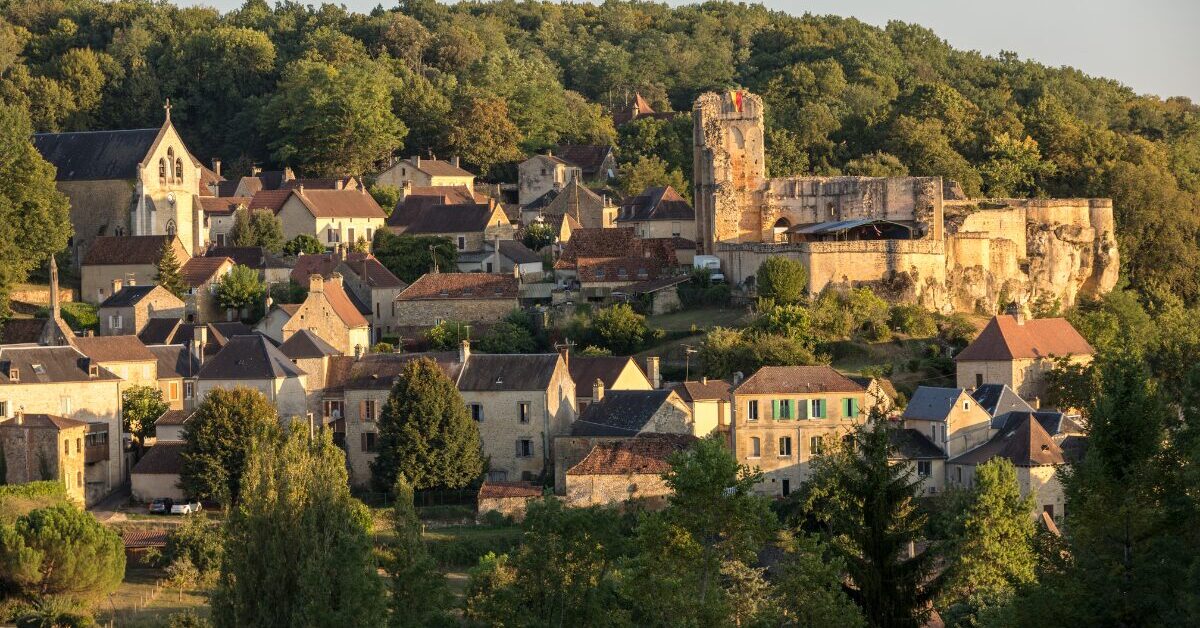
[Sponsored Post] Tom Easdown visited hundreds of French properties over the years. Farmhouses in the Dordogne, villas on the Riviera, barns in the Lot, chateaux in the Loire. Every single one of them is extraordinary in some way. France offers some of the most compelling, characterful property in the world, and the buyers who find their way here are almost always choosing between a variety of great options.
What he wants to do in this piece is help you be as well-informed as possible when making that decision. Because the buyers who have the best experiences in France are not necessarily the ones with the biggest budgets or the most experience. They are the ones who understood a few things about the French system before they committed.
Tom Easdown is an architect qualified in both the UK and France, founder of Meridian Grey and French Plans. He has spent the better part of a decade working with international buyers across every region of France. Through French Plans he works with buyers across the full market. Through Meridian Grey, his pre-purchase consultancy, he works specifically with buyers at the higher end who are purchasing properties with a plan to transform them.
The following is what he works through with every buyer who works with French Plans.
The French System is Different from Home — and that’s Fine once You Know It
Most international buyers approach a French property purchase with a mental model shaped by their experience at home. In the US, you hire a buyer’s agent who represents your interests. You commission an inspection. You have a real estate attorney review the contracts. The process, whatever its imperfections, is built around giving the buyer representation and recourse.
The French system is built differently, and once you understand how it works, it is entirely manageable. The key is knowing what it does and doesn’t provide, so you can fill in the gaps yourself.
The notaire
The notaire is not your attorney. He is a public officer whose role is to ensure the transaction is legally valid and properly documented. They work for both parties, or more accurately for the transaction itself. They are highly qualified professionals and excellent at what they do. But they are not your advocate, and they are not checking whether the property is a good idea for you specifically. Once you know that, you know to get independent advice alongside them.
The ‘diagnostics immobiliers‘
The diagnostics immobiliers, the mandatory reports that accompany every French property sale, cover a specific set of legal requirements: lead, asbestos, energy performance, natural and technological risks, termites in certain zones, and a handful of other concerns. These are important documents and you should read them carefully.
But they don’t cover everything. They don’t assess the structural integrity of the building, tell you whether an addition was built without a permit, or tell you whether your vision for the property is achievable. Think of them as broadly equivalent to a property disclosure statement: they tell you what the seller is legally required to disclose. What a qualified architect would find if they looked carefully at the building is a separate question entirely.
The good news is that this is entirely solvable. Commission an independent survey before you commit, and you have the picture the diagnostics don’t give you.
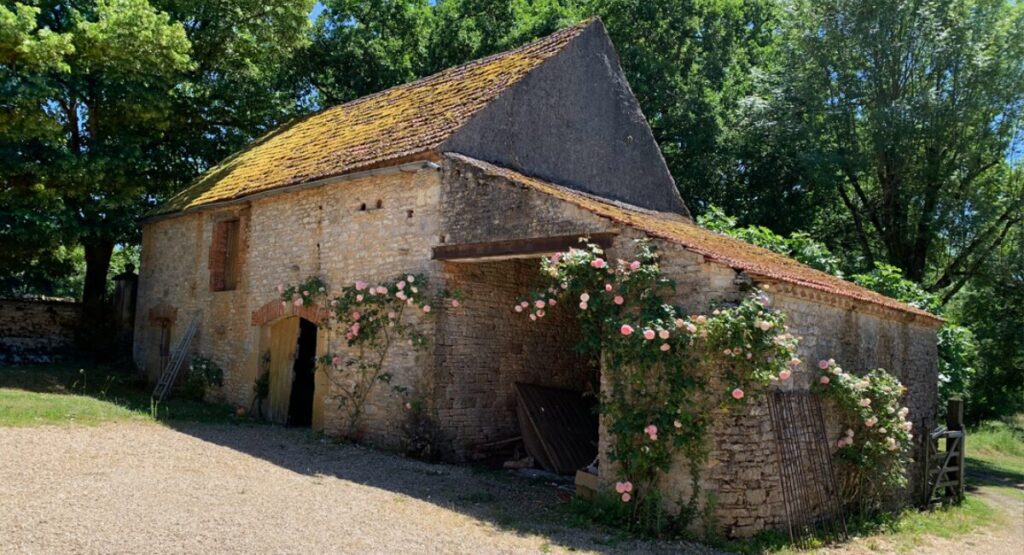
Understanding the Planning System Opens Up more Possibilities, Not Fewer
The French planning system is different from what most international buyers are familiar with, but once you understand its logic it becomes a tool rather than a barrier.
Plan Local d’Urbanisme (PLU)
Planning policy operates primarily at the commune level through a document called the Plan Local d’Urbanisme, or PLU. This governs building footprints, heights, roof pitch, materials, colors and permitted uses. Not every commune has a PLU, particularly smaller rural communes, which may instead operate under a Carte Communale, the national planning regulations. What this means in practice is that rules vary by location, and knowing the rules for your specific area before you search means you can identify the properties where your vision is genuinely achievable.
Architectes des Bâtiments de France
There is also the ABF, the Architectes des Bâtiments de France, whose approval is required for any external works on properties within 500 meters of a listed building or classified site, or within a protected zone. France has an extraordinary density of historic buildings and protected areas. This is worth knowing about early, because the ABF process, while thorough, is entirely navigable with the right architectural support.
Permits
One thing worth understanding about older properties is the question of development carried out without permits. This is not uncommon in France, particularly in rural areas. French law provides for limitation periods: criminal liability for planning violations is time-barred after six years, and the commune’s right to seek civil action after 10. The more relevant issue for buyers with development ambitions is that an existing unauthorized addition can sometimes complicate obtaining new permits. Knowing about this before you commit means you can factor it into your negotiations or your decision rather than discovering it after.
Tom worked recently with a client considering a villa near Mougins in the South of France at just over one million euros. They had plans to develop part of the property. Before they committed, French Plans undertook a full feasibility and regulatory review. What they found was significant: multiple existing planning violations meant their development plans were simply not achievable on that property. Armed with that knowledge, they moved on quickly and with clarity rather than discovering the problem after signing the compromis de vente. They found a better property, one where their plans were fully achievable from day one, and are now building exactly what they envisioned on a timeline that works for them. That is the best possible outcome, and it is only possible when you gather the intelligence early.
Building Your Team Before You Buy
The French system doesn’t automatically provide a buyer team the way some other systems do. But building one is straightforward, and the buyers who do it tend to have a significantly smoother experience.
When Tom talks to international buyers about their experience, three things come up that held them back from getting independent advice before purchasing.
1. Misconceptions Around Architects
The first is the assumption that architects only work on large, confirmed projects. There is a widespread belief that if you don’t have a finalized property and a guaranteed construction budget, an architect won’t be interested in talking to you. This is simply not true, at least not for the kind of practice that specializes in working with international buyers. A pre-purchase consultancy is a legitimate and valuable service, and the conversation is much more accessible than most buyers expect.
2. Intimidation Factor
The second is the intimidation factor. Navigating any professional service in a foreign country, in a different language, with an unfamiliar system, can feel daunting. Many buyers tell Tom they didn’t know where to start. In practice, a focused pre-purchase assessment is a single, well-defined engagement, and the right practice will make the process straightforward from the first conversation.
3. Phases
The third is what Tom thinks of as the phase two mindset. The buyer’s logic goes: let me find the property I want based on location and appearance first, and I’ll figure out the renovations and development later. This is completely understandable. But structural and regulatory feasibility is not a phase two consideration. It is a phase one consideration, and addressing it before you make an offer is where the real savings are found. Knowing what a property will cost to transform, and whether your plans are even achievable before you commit, means you negotiate from a position of knowledge. You avoid paying a price based on a vision that turns out to be undeliverable. And you avoid the cost of discovering problems after you are legally bound to a purchase.
One thing worth noting about the French compromis de vente: unlike a typical purchase process that includes broad inspection contingencies allowing a buyer to back out after due diligence, the compromis is a more binding document. There is a 10-day cooling-off period for residential purchases, but beyond that, withdrawing has real financial consequences. Gathering intelligence before the compromis is signed gives you the most options and the most negotiating leverage.

A Note for US Buyers
For American buyers specifically, there is an additional layer to be aware of. FATCA, the Foreign Account Tax Compliance Act, and the broader framework of US tax obligations for citizens investing abroad, means that purchasing property in France has cross-border financial and legal dimensions that don’t apply to most other nationalities.
Ownership structures, rental income, capital gains on eventual sale, and inheritance planning all have US tax dimensions worth understanding before a purchase is made. French SCI structures, which are commonly used for property ownership in France and can be very efficient, interact with US tax law in ways that benefit from specialist advice.
This is not the place for a detailed tax guide, and this advice needs to come from a qualified cross-border tax advisor. But factoring this into your preparation from the start, alongside the architectural and legal due diligence, means no surprises later. Several excellent cross-border advisors specialize specifically in US buyers purchasing in France.
What a Well-Prepared Purchase Looks Like
Bring these threads together and a well-prepared French property purchase, particularly for buyers with transformation ambitions, has a clear shape.
Before Finding the Property
Before you begin your search seriously, understand the regulatory framework for the areas you are targeting. Knowing what is and isn’t permitted in the zones you are interested in means you can focus on properties where your vision is achievable. This knowledge doesn’t narrow your search, it sharpens it.
Before Making an Offer
When you find a property you are seriously considering, commission an independent survey before you make an offer. An independent survey that tells you about the structural condition, the systems, the drainage, the outbuildings and the site. And if you have specific plans for the property, a feasibility and regulatory review alongside it confirms whether those plans are achievable. Armed with that information, you negotiate from a position of knowledge rather than hope.
Assemble the right team. In France that means a notaire, an independent architect if you have development or renovation ambitions, a French-qualified legal advisor who reviews the transaction from your perspective, and for US buyers, a cross-border tax advisor. This team doesn’t exist by default, but it is easy enough to assemble, and the professionals who work in this space are used to supporting international buyers through the process.
And allow time for the planning process where it applies. A permis de construire for significant works can take three to six months. A declaration prealable for smaller works typically takes one to two months. Knowing this from the start means you plan around it rather than being surprised by it.
The buyers Tom sees having the best experiences in France are the ones who arrive at their purchase informed and prepared. Not because France is difficult, but because the system rewards buyers who understand it.

The Opportunity
France offers some of the most extraordinary properties in the world. Chateaux, farmhouses, village houses, Riviera villas, Alpine chalets. The quality of life, the climate, the food, the culture. For many international buyers, there is something deeply compelling about the permanence and character of French property, the sense of buying into something that has existed for centuries.
The buyers who realize that dream most fully are the ones who go in prepared. Not because they are more experienced or more cautious than anyone else, but because they gathered the right intelligence at the right moment and built the right team around them.
Whilst the French system does protect the buyer, it does so in very specific and limited ways. Knowing that, and building your own team around it, means you arrive at your purchase with confidence. And that is exactly where the best French property stories start.
About the Author
Tom Easdown is an architect qualified in both the UK and France, with close to a decade of experience working with international buyers across all regions of France. He is the managing director of French Plans, an established architectural practice serving the broader expat and foreign buyer market, and founder of Meridian Grey, a pre-purchase property and architectural consultancy for buyers at the higher end of the market. Tom is based in Occitanie, France.
To know more: meridiangrey.com | frenchplans.com
—
Sponsored articles do not belong to the editorial team at Frenchly. They are provided or written at the request of the advertiser, who determines the content.


