
Every March, the French language takes center stage around the world during Francophonie Month, which celebrates the francophone diaspora and the many rich cultures it encompasses. In fact, more than 320 million people speak French across five continents, making it one of the most widely spoken languages in the world.
Much of this global presence stems from history. From the 17th to the mid-20th century, France expanded its colonial influence across Africa, North America, the Caribbean, and parts of Europe. After independence, many countries chose to maintain French as an official language or as a language of education and administration.
For travelers and language learners, that means something exciting: you do not have to go to France to immerse yourself in French. From North America to Africa and Europe, several cities offer vibrant environments where the language is spoken daily.
Here are 10 cities outside France where you can practice your French while exploring different cultures and accents.
10 International Destinations for French Speakers
1. Montreal, Canada
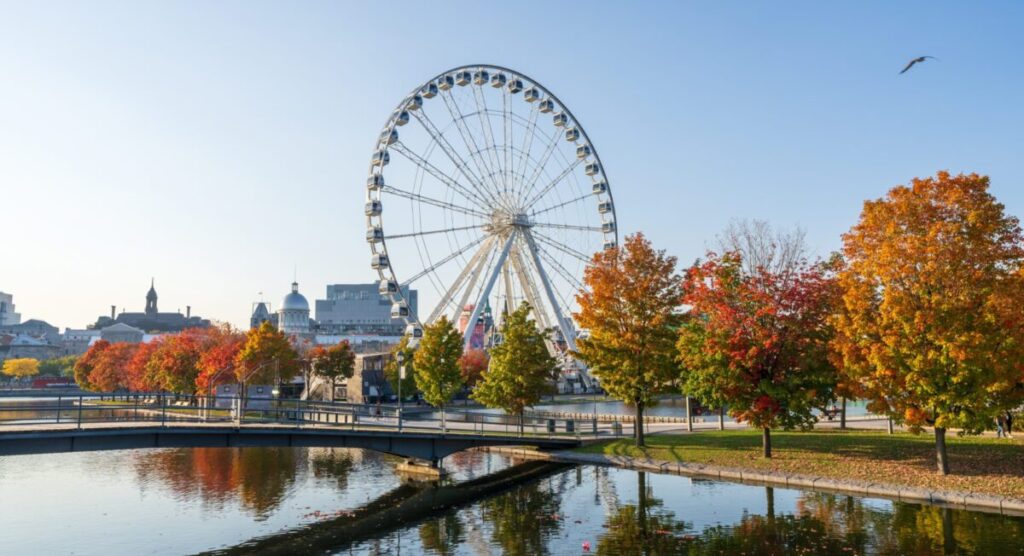
Montreal is the largest French-speaking city in North America and one of the easiest places for Americans to experience daily life in French. The language took root in the 17th century when the region formed part of New France, and it remained dominant even after Britain gained control in 1763.
Today, Montreal sits in the province of Quebec, where French is the official language. Visitors quickly notice it on street signs, metro announcements, and storefronts.
Neighborhoods like Plateau Mont-Royal and Mile End are especially lively places to hear the language. Order coffee in French at Café Olimpico, or chat with vendors at Jean-Talon Market.
Montreal’s bilingual culture also makes conversations less intimidating for learners. Locals often switch between languages if needed, while the distinctive Québécois accent and vocabulary provide a fascinating glimpse into how French evolved in North America.
2. Brussels, Belgium
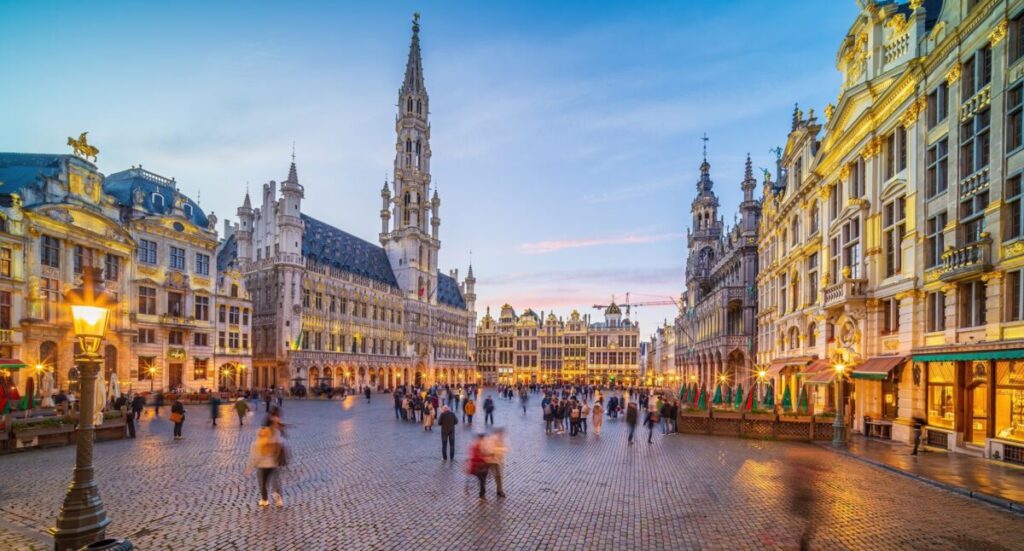
Brussels is one of the political capitals of Europe, and a fascinating linguistic crossroads. Belgium has three official languages: Dutch, French, and German. Historically, the city was Dutch speaking, but during the 19th and 20th centuries French became the dominant language in administration, education, and urban life.
Today the city remains officially bilingual, yet French is widely used in cafés, restaurants, and shops. Travelers can easily hear it while ordering waffles near the Grand Place, or browsing graphic novels at the Belgian Comic Strip Center.
Belgian French is very close to the variety spoken in France, although it includes distinctive words, such as the simplified septante (70) and nonante (90) instead of the clunkier soixante-dix and quatre-vingt-dix. The city’s vibrant café culture and relaxed social atmosphere make spontaneous conversations easy to start, and small vocabulary variations shouldn’t pose a major issue in terms of comprehension.
3. Geneva, Switzerland
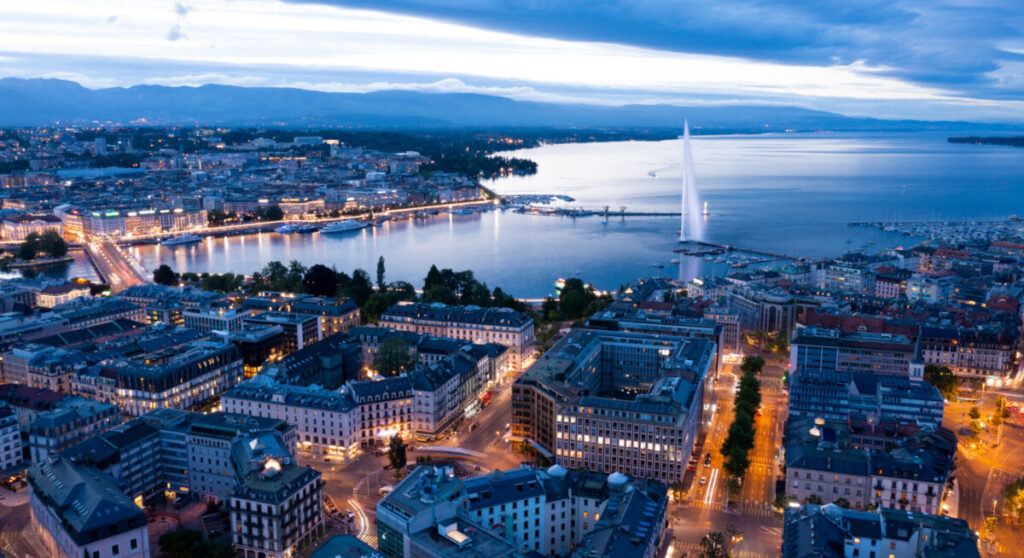
Located on the shores of Lake Geneva, Geneva is one of Switzerland’s most international cities. Switzerland recognizes four national languages: German, French, Italian, and Romansh. In the western part of the country, known as Romandy, French is the primary language of everyday life.
The language has deep historical roots here and today appears in schools, media, and administration throughout the canton, or department. Geneva also hosts major international institutions such as the United Nations Office at Geneva and the International Red Cross, reinforcing French as a language of diplomacy.
Visitors hear it while strolling through the Old Town, ordering pastries at neighborhood bakeries, or browsing food stalls at the Marché de Plainpalais. At the lakeside promenade near the Jet d’Eau, conversations between locals often unfold in relaxed Swiss French, which closely resembles standard French, though it includes a few regional expressions and a slightly different rhythm.
4. Dakar, Senegal
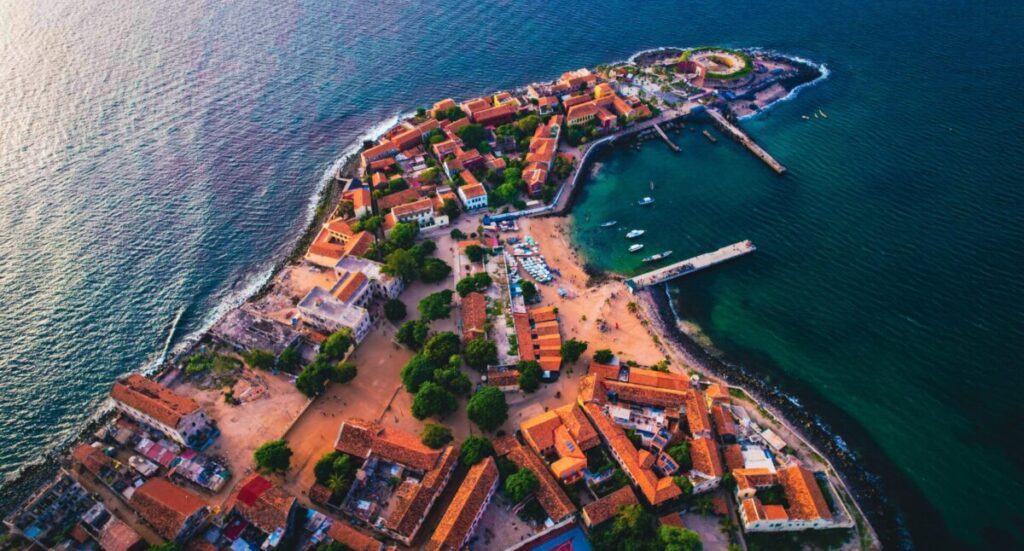
Dakar, the capital of Senegal, is one of the most important cultural centers of Francophone Africa. French arrived in the region during the 19th century, when Senegal became part of the French colonial empire, and after gaining its independence in 1960, the country chose to maintain French as its official language.
Today French is used in government, education, and media, though many residents also speak Wolof, the most widely spoken local language.
Visitors often hear both languages at Sandaga Market, where bargaining for fabrics or spices may begin in Wolof and shift to French. Conversations also flow in both languages along the Corniche, Dakar’s scenic coastal road lined with cafés and restaurants, while art spaces such as the Museum of Black Civilizations and the galleries of the Plateau district attract a creative crowd where French is the main language of discussion.
5. Abidjan, Côte d’Ivoire
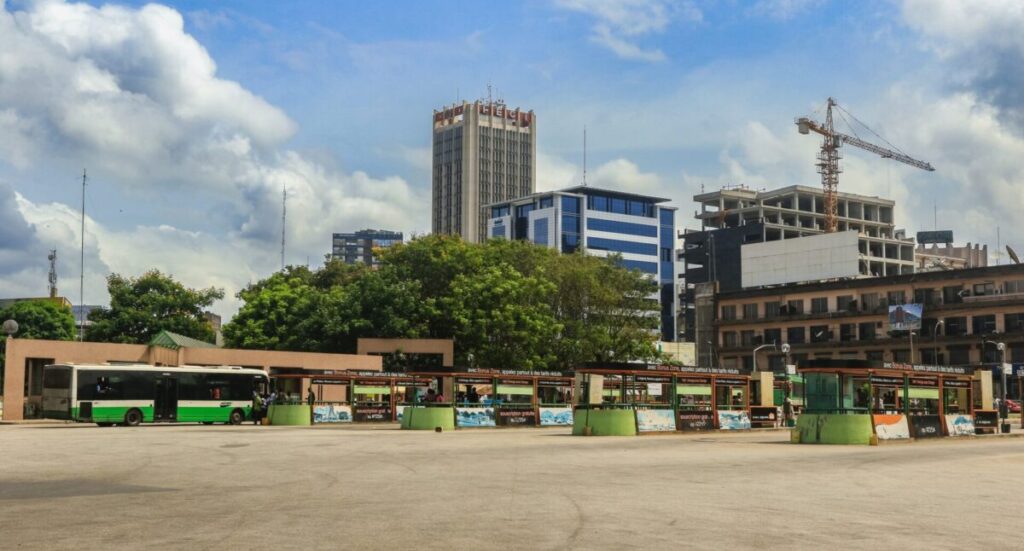
Abidjan is the largest city in Côte d’Ivoire and one of the most important francophone metropolises in West Africa. During the colonial period, the region was part of French West Africa, and French became the local administrative and educational language. Since gaining its independence in 1960, French has remained the country’s official language and is widely used in urban life.
In neighborhoods like Cocody or Plateau, French dominates in offices, universities, and media. You might hear it while browsing stalls at Treichville Market or chatting with vendors selling street food such as alloco and grilled fish.
Local speech often blends standard French with slang known as Nouchi. Expressions like “C’est gâté” (“That’s exciting!”) or “Tu es enjaillé” (“You’re having a great time”) are common among younger residents.
6. Rabat, Morocco
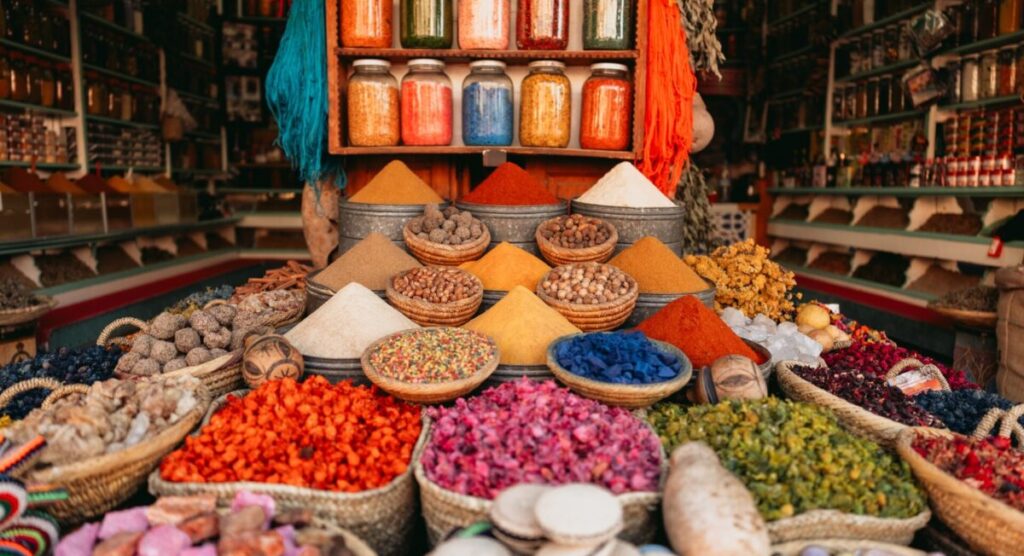
Rabat reflects Morocco’s layered linguistic landscape. The country was a French protectorate from 1912 to 1956, a period that strongly influenced its administrative and educational systems.
Although Arabic and Amazigh are the official languages of Morocco, French remains widely used in government, business, and higher education. In everyday life, conversations may move fluidly between Arabic and French, especially among younger professionals.
Visitors frequently hear French in the Agdal district, where cafés fill with students from nearby universities. Bookstores such as Librairie Kalila Wa Dimna and art venues around Mohammed V Avenue often host discussions and readings in French. Markets also offer opportunities to interact in the language. In the Rabat Medina, bargaining for leather bags, rugs, or ceramics often happens in French when vendors speak with international visitors.
7. Yaoundé, Cameroon
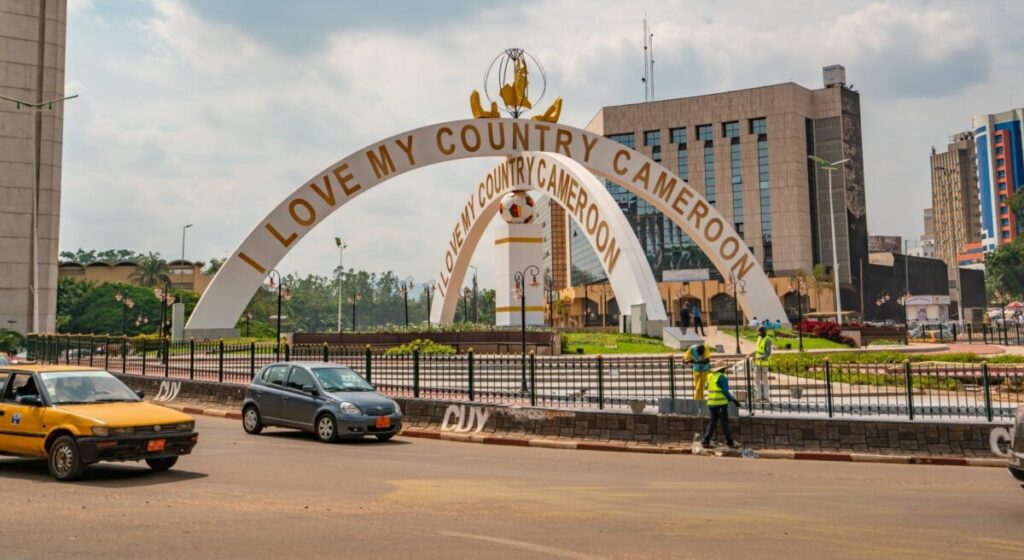
Cameroon’s linguistic landscape reflects its unusual colonial history. After World War I, the former German colony was divided between France and Britain. As a result, the country now has two official languages: French and English.
In the capital Yaoundé, French is the dominant language in schools, government institutions, and media.
Daily conversations unfold in French at busy spots like Marché Mokolo, where vendors sell everything from textiles to electronics. In the Bastos district, cafés and restaurants attract diplomats and professionals who conduct business in the language of Molière.
Cameroon is also home to more than 200 local languages, so French often serves as a common language connecting people from different regions. This diversity has shaped a local variety sometimes called Cameroonian French, with distinctive expressions and pronunciation influenced by regional languages.
8. Quebec City, Canada
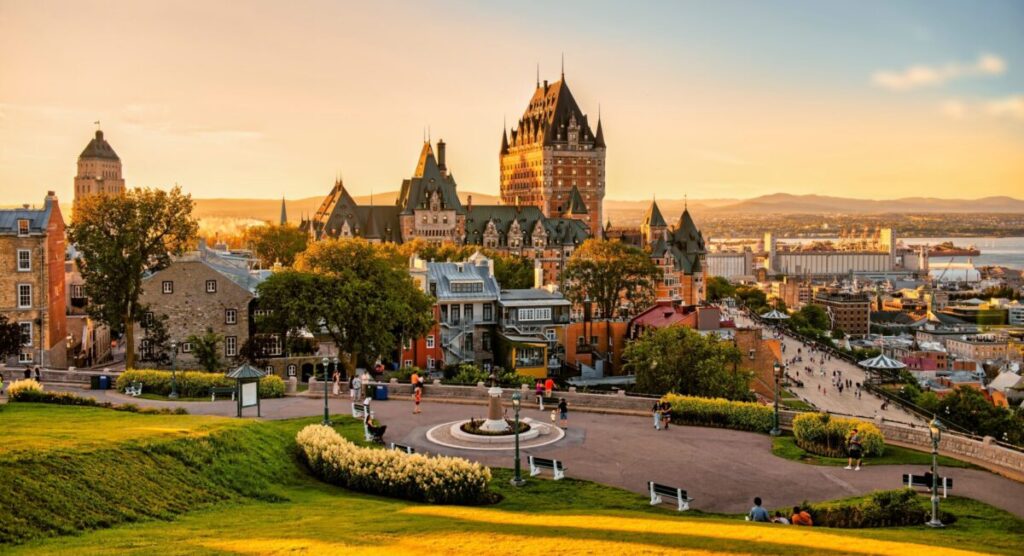
If Montreal is bilingual, Quebec City offers one of the most immersive French language environments in North America. Founded in 1608 by the French explorer Samuel de Champlain, the city remains the historical heart of French culture in Canada.
More than 90 percent of residents speak French as their first language, making it one of the most immersive French environments on the continent.
Walking through Old Quebec, a UNESCO World Heritage site, visitors hear the language everywhere from bakeries to museums. Order pastries in French at Paillard Bakery, or chat with artists selling prints in Place Royale.
Local speech features the recognizable Québécois accent, along with expressions rarely heard in France. For language learners, spending time here can sharpen listening skills and provide insight into how French developed across the Atlantic.
9. Luxembourg City, Luxembourg
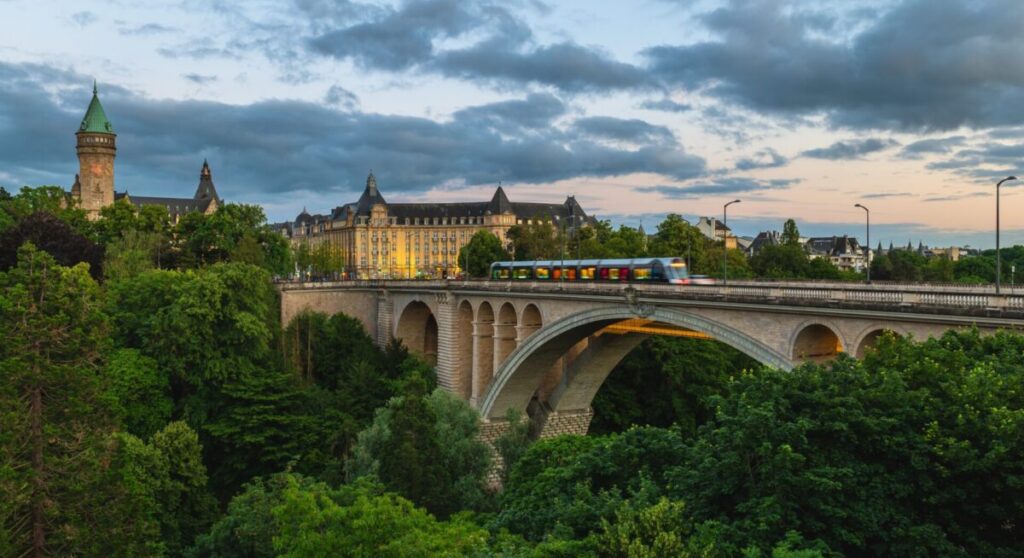
Luxembourg City sits at the crossroads of Western Europe and reflects a remarkable multilingual culture. Luxembourg has three official languages—Luxembourgish, French, and German—each of which plays a different role in society. The country’s complex history explains this linguistic mix, as the territory shifted between European powers, including France and the Holy Roman Empire, over the course of centuries.
French plays a central role in administration, law, and much of public life, and visitors often see it on restaurant menus, government buildings, and street signs. You might hear it while ordering pastries at cafés in the Grund district, discussing art at the Mudam Museum, or browsing produce at the Place Guillaume II market.
Today conversations in Luxembourg City frequently move between several languages, but French remains a key tool for communication in professional and public settings.
10. Tunis, Tunisia
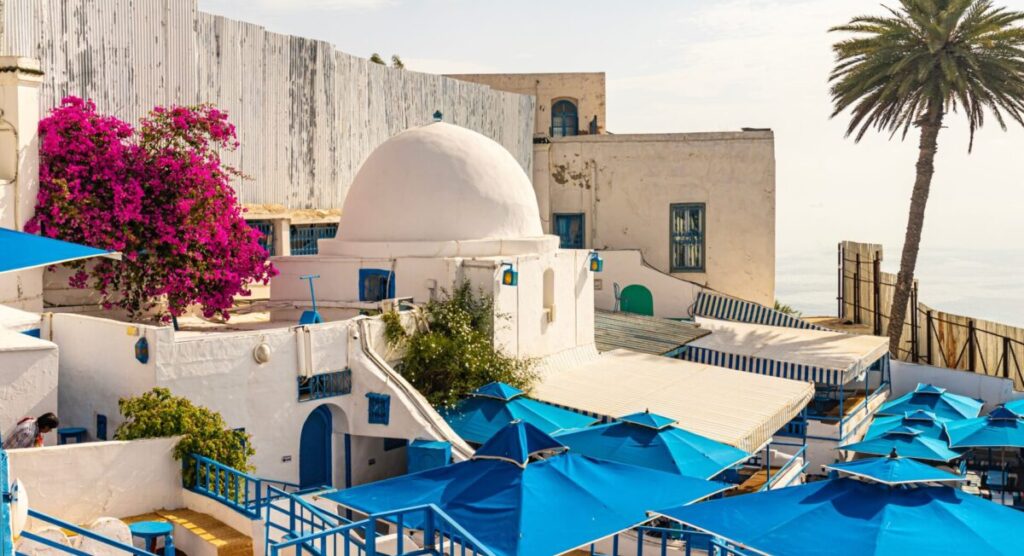
Tunis illustrates how French continues to influence everyday life across North Africa. Tunisia was a French protectorate from 1881 until 1956, and the language became deeply integrated into education and administration.
While Arabic is the official language of Tunisia, French remains widely used in business, higher education, and media, and visitors today will hear it in many settings, from university campuses to cafés along Avenue Habib Bourguiba, the city’s main boulevard. The language also appears in the bustling souks of the Medina, where travelers may negotiate prices for fouta towels, spices, or hand-painted ceramics with vendors switching easily between Arabic and French.
Newspapers, television programs, and cultural debates often incorporate both languages, reflecting Tunisia’s strong intellectual ties with the francophone world.
Valentine Marchou is a French journalist with a keen eye for culture, lifestyle, and society. After honing her skills in several French newsrooms, she now aims to tell stories that bridge French and English-speaking worlds through art, food, and everyday life.