
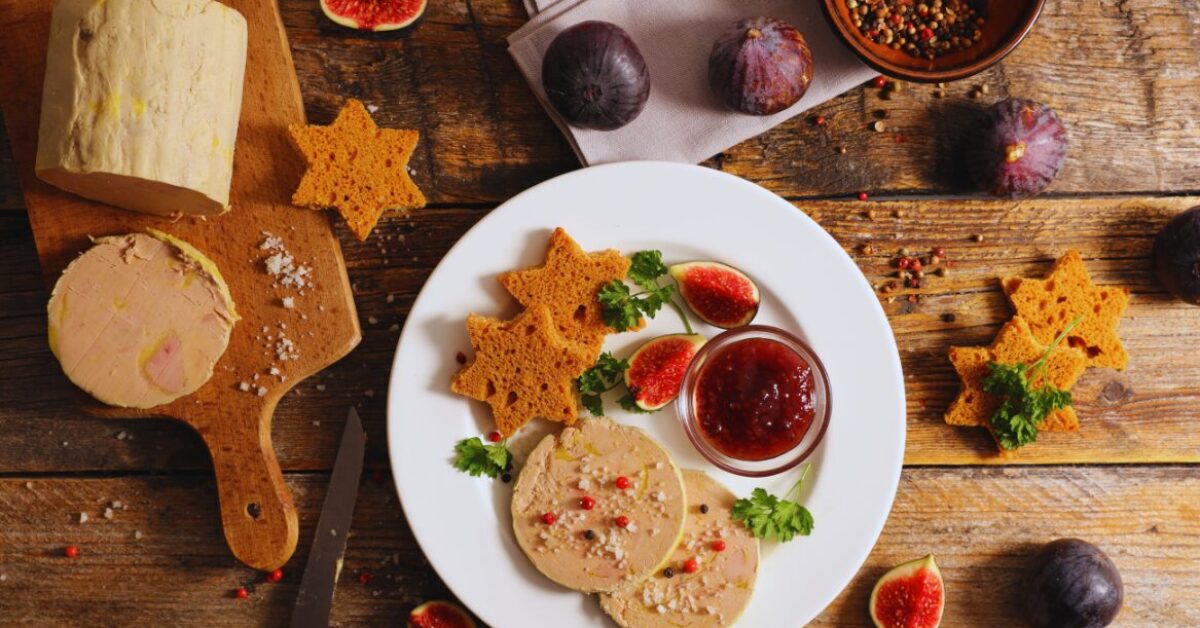
As the holiday season approaches, Californians are crafting festive menus that embody indulgence and sophistication, featuring an array of culinary delights: the briny sweetness of freshly shucked oysters, the effervescent sparkle of premium champagne, the earthy decadence of truffles, the succulent richness of lobster, and the delicate luxury of caviar. Among these gourmet treasures, foie gras continues to hold a special allure, celebrated for its velvety texture and unparalleled depth of flavor, making it a standard on the French Christmas dinner table.
Despite regulatory challenges, California’s dynamic culinary landscape offers food lovers the chance to enjoy foie gras legally and creatively. From expertly crafted traditional preparations, to cutting-edge plant-based alternatives like faux gras, Californians are redefining the boundaries of indulgence by harmonizing heritage with innovation. This seamless blend of sophistication, sustainability, and adventurous spirit not only honors a French culinary tradition, but also opens doors to fresh, ethical, and unexpected dining experiences that reflect California’s ever-evolving gastronomic identity.
Foie Gras in California: A Legal and Culinary Paradox
The path of foie gras in California is one marked by conflicts around tradition, gastronomy, law, and ethical debate. In 2004, legislation banning foie gras sparked intense controversy, with animal welfare advocates hailing it as a triumph, and enthusiasts of French culinary heritage mourning its absence. By July 1, 2012, foie gras had officially disappeared from menus and retail shelves, leaving a lasting impact on California’s dining culture.
But if there’s one thing culinary enthusiasts know, it’s that nothing is ever quite set in stone. In 2015, a federal court briefly overturned the ban, citing conflicts with federal poultry regulations. For a short-lived moment, foie gras lovers celebrated, but by 2017, the Ninth Circuit Court of Appeals had reinstated the prohibition, ensuring the state’s authority to regulate products derived from practices it deemed inhumane. Today, California remains firm in its stance: foie gras production and in-state sales are strictly off-limits.
Nevertheless, across the Atlantic, the French, who regard foie gras as a national treasure, weren’t about to let the tradition die so easily. Enter “natural foie gras,” a more ethical method of production that skips the force-feeding process. A handful of innovative producers in France and Spain have embraced this approach, creating foie gras from ducks and geese that willingly overindulge, perhaps after too much free bread at the pond. While these efforts are a nod toward ethical progress, California law doesn’t differentiate between foie gras origins. For now, even cruelty-free foie gras finds itself stuck in a legal gray area within the Golden State.
The story doesn’t end here! In 2020, a legal twist added a silver lining: while foie gras cannot be produced or sold within California, individuals can legally purchase it from out-of-state suppliers and have it shipped for personal enjoyment. The result? A booming trade in mail-order foie gras, which allows Californians to indulge without breaking the law.
Navigating the Legal Gray Area

For foie gras lovers who refuse to forgo this delicacy, these legal nuances have sparked a wave of ingenuity and completely lawful workarounds. Among them, a BYOFG, or Bring Your Own Foie Gras, policy at some restaurants. While restaurants are officially banned from selling or serving foie gras in California, certain upscale dining establishments permit guests to bring their own legally purchased foie gras from out-of-state suppliers. At these select venues, skilled chefs artfully prepare the prized dish as part of an exquisite dining experience.
Another option is to enlist the services of a private chef, who can craft a magnificent foie gras dish using legally obtained ingredients. While you can choose your preferred foie gras and cooking style, it’s often advisable to defer to the chef’s expertise for recommendations and allow their creativity to shine. This approach promises a restaurant-quality experience in the comfort of your own home, or the opportunity to treat your guests to a unique dining affair not typically found in Californian restaurants.
Then there’s the geographical loophole: restaurants on federal land. Technically, restaurants located on federal land are not subject to California’s foie gras ban. A prominent establishment in San Francisco, the Presidio Social Club, which recently closed, became known for serving foie gras by citing its location on federal property. The upcoming replacement for the Presidio Social Club, The Mess Hall, is set to debut in 2025, launching a versatile concept encompassing a café, bar, food hall, and market. As of now, there is no confirmation on whether they will utilize the federal land exemption and offer foie gras on their menu, but it is unlikely.
Others opt for culinary road trips to neighboring states, particularly Nevada, where fine dining destinations such as Joël Robuchon and Bouchon offer foie gras without legal restrictions. Gourmet markets in Nevada stock premium foie gras that can be purchased by Californians for personal enjoyment back at home.
Of course, the simplest workaround is to order from out-of-state suppliers. Gourmet purveyors like Dufour Gourmet, Hudson Valley Foie Gras, D’Artagnan, and Goudy’s ship directly to Californians, allowing them to enjoy foie gras legally in their own homes.
For those who relish a touch of excitement, the allure of the forbidden has brought a newfound vibrancy to California’s dining scene, sparking the rise of clandestine pop-up dinners and underground supper clubs. As Mark Twain aptly noted, “There is a charm about the forbidden that makes it unspeakably desirable,” and these secretive gatherings perfectly embody that sentiment. In cities like Los Angeles, these gatherings have transformed foie gras from a delicacy into a statement. Served alongside rare wines in dimly lit, intimate settings, foie gras becomes a symbol of quiet defiance. Guests savor not only its velvety richness, but also the electrifying excitement of indulging in something tantalizingly outside the bounds of legality, evoking the clandestine glamour of the Prohibition era in the 1920s and 1930s. Each bite is more than just indulgence; it’s an act of culinary rebellion.
Exploring Foie Gras Alternatives: A Culinary Evolution

Si il y a un problème, il y a une solution (if there’s a problem, there’s a solution). For the ethical challenges surrounding foie gras, the solution is faux gras! This innovative alternative is reshaping culinary traditions, inspiring chefs to integrate plant-based gastronomy and advanced techniques into their kitchens. By doing so, faux gras has expanded the creative possibilities of fine dining, celebrated for its bold flavors and diverse ingredients.
Faux gras doesn’t just solve an ethical dilemma; it broadens the culinary playing field. This plant-based alternative appeals to diners across the spectrum: vegans, vegetarians, flexitarians, and even those with dietary restrictions. By offering a luxurious, cruelty-free substitute, faux gras reflects the inclusive spirit of modern gastronomy. Here are the main types:
Nut-Based Alternatives: Creamy purees of cashews, walnuts, or almonds layered with olive oil and truffle evoke the buttery richness of foie gras without any animal involvement.
Mushroom-Derived Variations: Shiitake, porcini, or button mushrooms, often heightened with caramelized onions or a splash of wine, channel the earthy depth and subtlety of the original dish.
Legume-Based Spreads: Smooth blends of lentils, chickpeas, or white beans, seasoned with herbs, garlic, and plant-based fats, offer a hearty, protein-packed nod to traditional pâtés.
Vegetable-Centric Offerings: Roasted eggplant, carrots, or caramelized onions, enriched with spices and plant oils, produce a velvety, garden-fresh take on luxury—lighter, but never lacking in indulgence.
Mycoprotein Foie Gras: Fermented fungi deliver a protein-rich, vitamin B12–enriched creaminess that mimics the lush mouthfeel of foie gras while remaining entirely animal-free.
Koji-Infused Creations: Drawing on a Japanese variety of fermented fungi, koji melds with nuts or legumes to yield a savory, layered complexity rivaling the flavor depth of classic foie gras.
California’s culinary landscape provides fertile ground for these innovations. At Crossroads Kitchen, roasted chestnuts, demi-glace, and artisanal bread evoke the sophistication of classical foie gras, proving that a plant-based approach can be every bit as elegant. Baroo takes a more adventurous route, unveiling its own daring interpretation of meatless foie gras that challenges expectations and delights diners.
Local companies have also stepped into the spotlight. In Sacramento, The Better Meat Co. harnesses mycoprotein to create faux gras that stands toe-to-toe with its traditional counterpart. On select occasions, guests at LinkedIn’s Sunnyvale headquarters have sampled this mycoprotein-based delicacy at pop-up events, garnering enthusiastic praise. Meanwhile, over in Berkeley, Prime Roots has teamed up with Fabrique Délices to perfect a koji-based faux gras, now available online to anyone eager to experience California’s newest wave of gastronomic craftsmanship, delivered straight to their door.
Foie Gras or Faux Gras? The Choice is Yours!
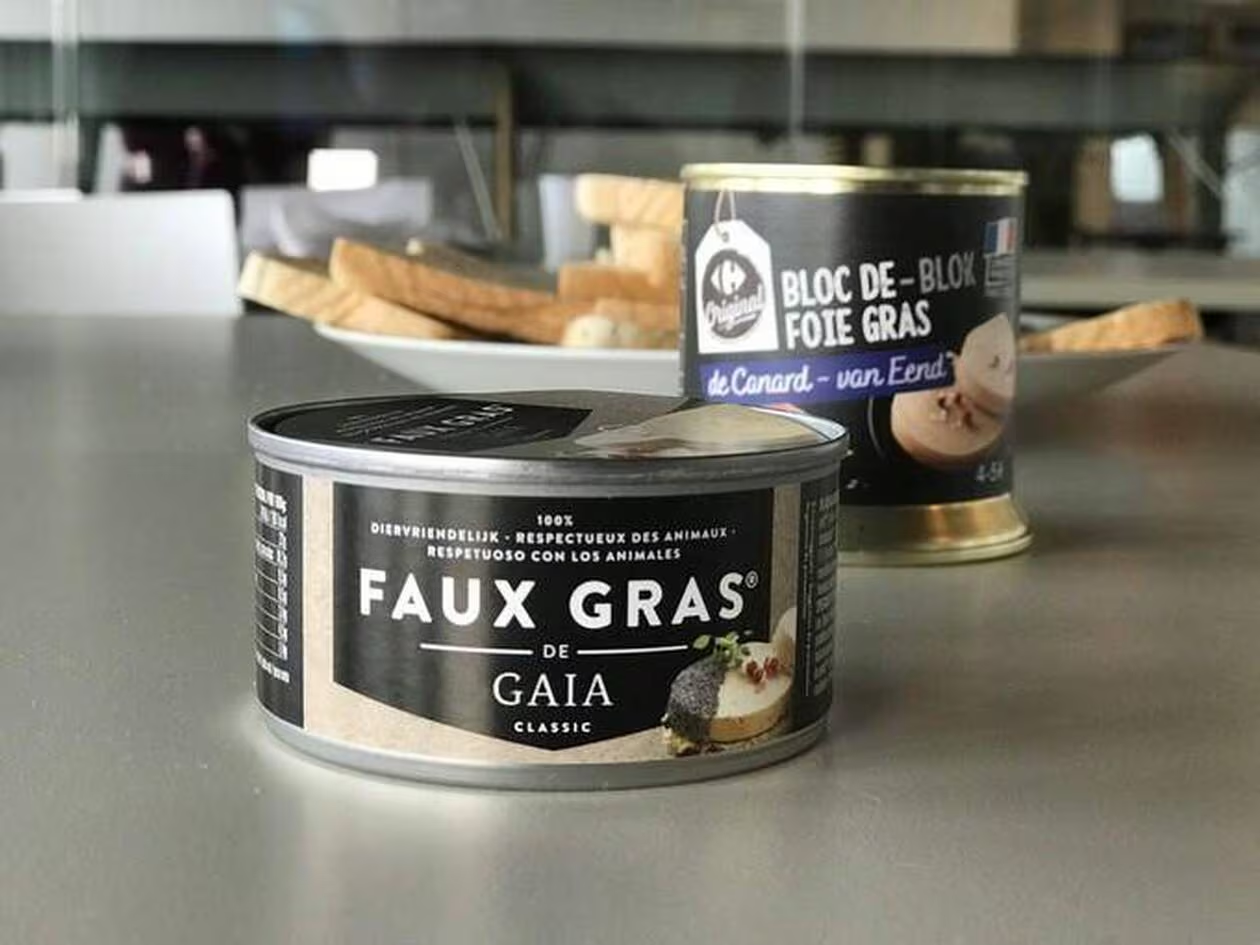
The year-end celebrations are approaching, and the choice between foie gras and faux gras reflects more than just taste—it embodies the evolution of modern dining. Whether you are a traditionalist savoring the indulgence of foie gras, or a forward-thinker embracing the creativity of faux gras, California’s vibrant culinary scene offers countless ways to indulge in style.
As you plan your holiday feasts, consider not just what will be on your table, but the story it tells about your values and your vision for the future of food. Is it a nod to cherished traditions, a leap toward innovative alternatives, or perhaps a balance of both? Whatever your choice, this season is a celebration of taste, creativity, and the shared joy of gathering around a table. So, as the champagne flows and toasts are raised, what will be on your table this season: foie gras, faux gras, or the best of both worlds?
Mariam Rubalcava, originally from Paris, now calls the Bay Area home. A seasoned traveler and writer, she’s always on the hunt for exciting new restaurants, trendy bars, and unique activities to try. By day, she works in tech in Silicon Valley and serves as a board member of the French Cultural Center of Silicon Valley. Mariam has a passion for writing about travel, food, people, and offbeat topics.


