[Sponsored Post] In an era defined by uncertainty and rapid economic change, many Americans are reexamining their investment portfolios and exploring new opportunities abroad.
Monaco continues to stand apart as a rare constant. For a growing number of affluent Americans, the Principality represents not only stability and prestige but also a strategic base in Europe. As interest from US citizens increases, property ownership in Monaco has become a central part of the conversation, both as an investment decision and as a potential foundation for residency.
Buying property in Monaco, however, is unlike purchasing real estate anywhere else in the world. The market is highly competitive, tightly regulated, and defined by scarcity. If you are wondering how to move to Monaco as an American, including investing in property, Costa Properties’ practical guide outlines what you need to know about the Principality’s fast-moving real estate market and how you can make the move.
Can Americans Buy Property in Monaco?
One of the appeals of Monaco is that there are no restrictions on foreign ownership. Americans enjoy the same property rights as European and other international buyers. Individuals, couples, and legal entities can all acquire real estate in the Principality, subject to standard due diligence and compliance requirements.
While ownership is straightforward from a legal perspective, many buyers choose to carefully structure their purchase, particularly when considering estate planning, long-term residency, or US tax implications. These considerations do not complicate the purchase itself, but they do reinforce the importance of working with advisors who understand both Monaco’s legal framework and US compliance obligations.

Monaco’s Booming Property Market
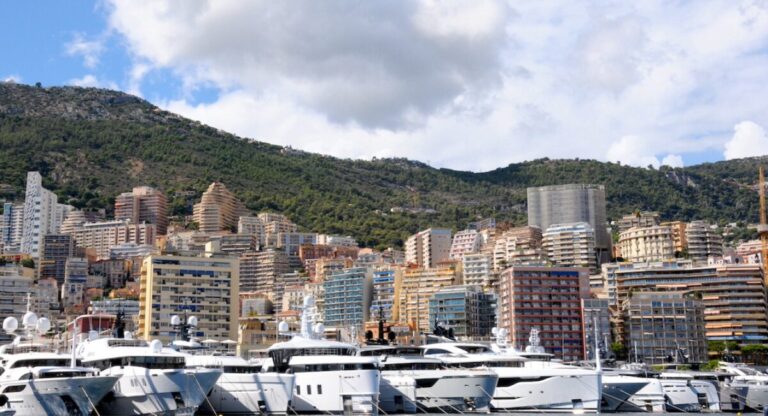
When starting your Monaco property search, it’s important to remember that the city-state’s real estate is unlike any other in the world. Monaco is the world’s most expensive real estate market, and one of the most supply-constrained. With a total surface area of just over 2 square kilometers and strict development limits, demand consistently exceeds supply. This imbalance underpins both pricing and long-term value.
According to the latest Monegasque Real Estate Observatory Report, the average price per square meters now stands at nearly 52,000 euros, a staggering 44.3% increase over the past decade.
Unlike many US luxury markets, Monaco offers very little horizontal expansion. Instead, the market is dominated by high-end apartments, often within prestigious Belle Époque buildings or modern developments providing a host of resort-style amenities, including on-demand concierge services and luxurious fitness suites.
For American buyers accustomed to space and privacy, Monaco’s appeal lies not in square footage, but in refinement, location, and long-term security.
Choosing the Right Location
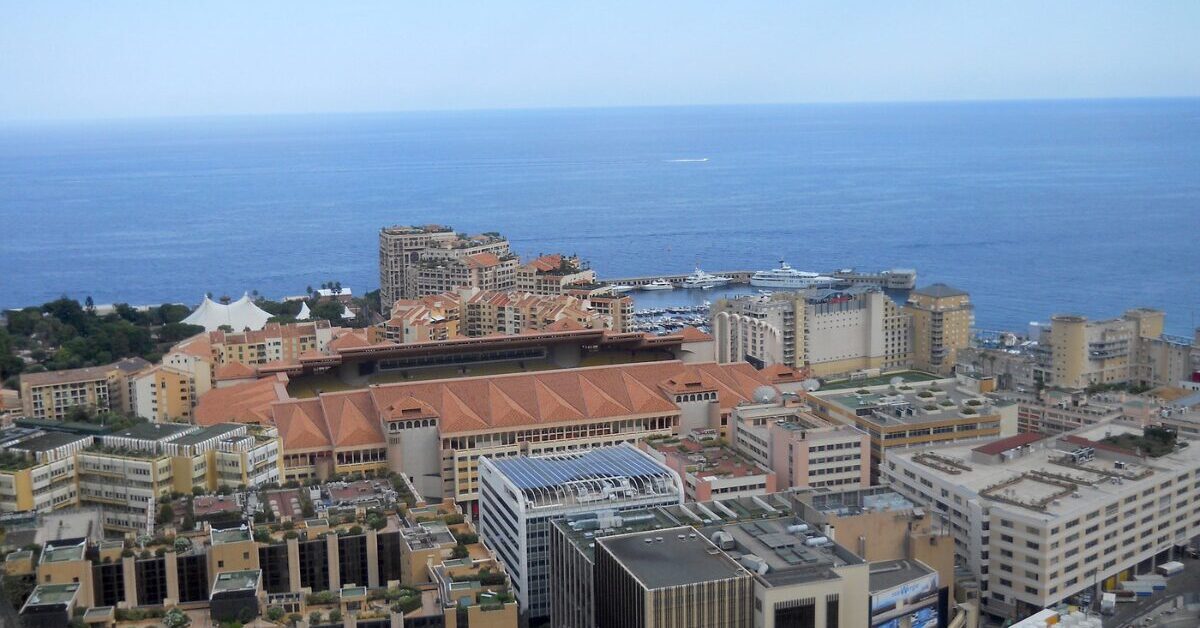
Despite its compact size (Monaco is smaller than New York City’s Central Park), the Principality is composed of distinct districts, each with its own character and appeal.
Prime central districts such as Monte-Carlo and the ultra-exclusive Carré d’Or are defined by proximity to luxury boutiques, five-star hotels, and cultural institutions. These areas remain perennial favourites among international buyers seeking prestige.
Waterfront districts, including Larvotto and the newly developed Mareterra eco-district, attract buyers prioritizing sea views, contemporary architecture, and resort-style living. Mareterra, in particular, represents Monaco’s most significant recent expansion and has attracted considerable interest from American buyers seeking modern, sustainable residences.
More residential districts such as La Condamine and Fontvieille offer a slightly different atmosphere, often appealing to families or buyers seeking a village-style feel while remaining close to the center.

How to Move to Monaco as an American: The Buying Process
The Monaco property purchase process is relatively straightforward and legally sound. Transactions are overseen by a Monaco notary, whose role is to protect both buyer and seller and ensure legal clarity throughout.
Once a suitable property is identified, buyers submit a formal offer. If accepted, a preliminary sales agreement is signed, followed by a due diligence period. During this time, the notary conducts title checks and verifies compliance, while the buyer finalizes financing and banking arrangements.
Completion typically takes between six and 10 weeks from the acceptance of the offer to final deed signing. At the closing, the Acte de Vente is signed before the notary, ownership is transferred, and keys are released. Working with an experienced Monaco real estate agency can ensure a streamlined process, one that protects your best interests at every stage.
For many Americans buying property in Monaco, the most notable difference compared to US transactions is the central role of the notary and the relative absence of negotiation once terms are agreed.
Buying Costs and Fees
In addition to the purchase price, buyers should budget for acquisition costs, typically around six to seven percent of the property value, when buying resale property. These costs include registration, notary, and administrative fees.
Agency fees are usually included in the advertised price, although this should always be confirmed. Given the price point of Monaco real estate, understanding the full “all-in” cost from the outset is essential.

Financing and Banking Considerations
While many Monaco purchases are made in cash, financing options are available to American buyers through Monaco-based and international banks. Mortgage availability, terms, and leverage vary depending on the buyer’s financial profile and banking relationships.
US citizens should expect enhanced compliance procedures, including FATCA-related documentation and detailed source-of-funds checks. Opening a Monaco bank account is a critical step in the process and should be initiated early to avoid delays.
Working with financial institutions experienced in serving American clients can significantly streamline this stage.
Monaco Property Ownership and Residency for Americans
Property ownership is not mandatory for residency in Monaco, but it can strengthen an application and offer long-term security. Applicants must demonstrate suitable accommodation, whether owned or rented, that meets the Principality’s standards.
For American buyers planning a permanent or semi-permanent relocation, purchasing property often aligns naturally with residency goals, offering both stability and flexibility. Residency permits are renewable and can lead to long-term residence, subject to continued compliance.
Tax Considerations for Americans
Monaco famously levies no personal income tax on residents, a factor that continues to attract global attention. However, US citizens remain subject to US global income taxation regardless of residence.
Owning or buying property in Monaco does not eliminate US filing obligations; American citizens must continue to comply with reporting requirements for income, assets, and foreign bank accounts. While Monaco does not impose property taxes in the traditional sense, professional advice is essential to ensure that ownership structures and residency plans are aligned with broader tax and estate planning objectives.
For this reason, coordinated guidance from US and Monaco-based tax specialists is strongly recommended.
For Americans seeking a foothold in Europe, a hedge against uncertainty, or a base for future generations, buying property in Monaco represents a strategic lifestyle decision and future-proof legacy investment.
—
Sponsored articles do not belong to the editorial team at Frenchly. They are provided or written at the request of the advertiser, who determines the content.