
I might be biased, but Quebec is arguably one of the best provinces in Canada in which to live. The region’s largest city, Montreal, is often referred to by travelers as being the “Paris of North America,” in part thanks to the French spoken throughout the province, as well as Quebec’s buzzing arts and culture scene and its European-inspired architecture.
The province of Quebec is one of the more affordable places to live in Canada, which allows artists and creatives to thrive there. This means there’s always something new to see, do, or taste in the city—but it also offers a slowed down pace of life compared to other big cities in North America, where long dinners with friends and afternoon trips to the museum are not uncommon.
In some ways moving to Quebec is easier than starting your dream life in Europe, but there are still certain quirks and hang-ups to be aware of when deciding to move to the French Canadian province.
Here’s what you need to know if you’re considering moving to Quebec, from someone who did it.
Getting a Canadian Visa or Residence Permit
If you’re already a Canadian citizen you can simply hop across the provincial borders and start living your French Canadian dream life, but if you’re a foreigner things can get a little more complicated. Most American citizens can spend up to six months living in Canada but cannot legally work in the country (though this could be a valid option if you’re able to work remotely from your existing company and want to test the waters in Quebec for a couple of months).
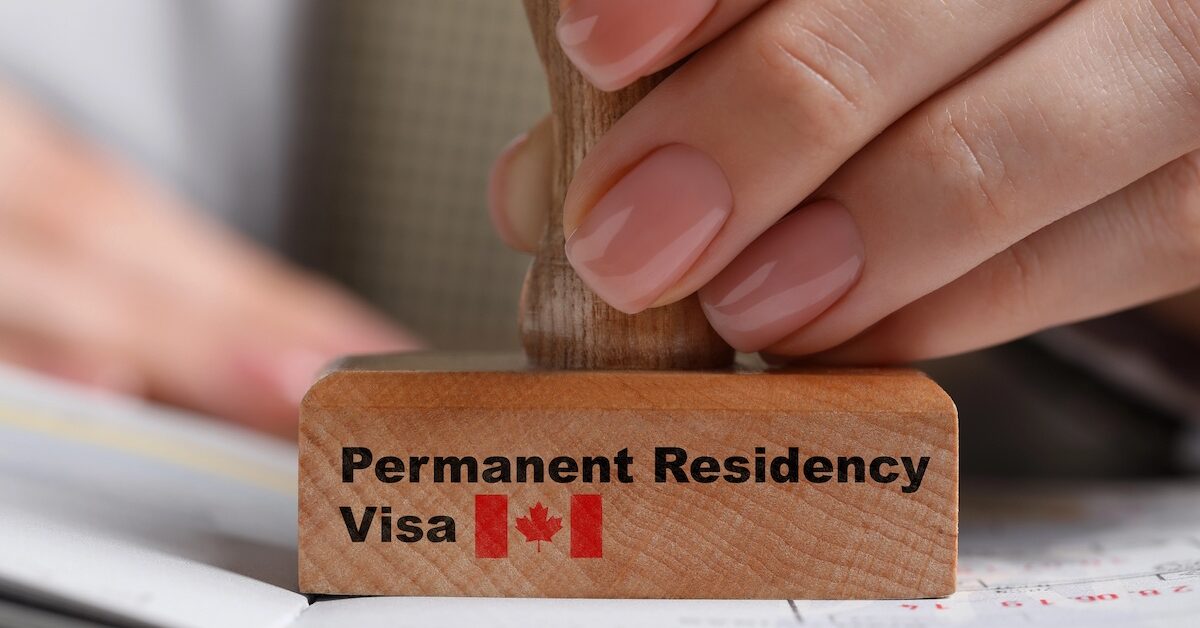
If you want to stay and work or study in Quebec long-term, you’ll have to apply for a residence permit. The Skilled Worker Selection Program is the most popular option, and it allows foreign professionals, typically with a specific skillset and experience as well as higher education, to legally reside and work in the province of Quebec. Keep in mind that this permit typically takes between six months to a year to receive.
Other visas are available for those hoping to move to Quebec as an investor, entrepreneur, or self-employed worker, or to attend a university in Quebec.
Those looking to immigrate to Quebec must also have an oral knowledge of the French language of at least level 7 (equal to B2) and a written knowledge of level 5 or higher (around B1), according to the Québec scale of French proficiency levels.

Choosing Where to Live in Quebec
Quebec is the largest province in Canada and is vastly different from one side of the province to the other. You’ll want to weigh your options before deciding where to live and what you want out of your experience in the province.
Montreal is the biggest city, with the largest amount of employment opportunities and things to see and do, but it also has the highest number of English speakers, so if you’re moving to Quebec for French immersion it might not be the best option. Quebec City is the second-largest city in the province with just over half a million residents. The picturesque cobblestone streets and European-esque architecture beckon, but the Old City is often crowded with tourists, which can make the experience less personal.
Smaller cities like Gatineau or Sherbrooke offer a more small town pace of life with less English influence—so even if there’s less going on than in major cities like Montreal or Quebec City, opting for somewhere outside of the metropolis might be the best way to fast track your French.
The Canadian “Moving Day” Debacle
Most foreigners—and most Canadians—know that the first of July is Canada Day, but in Quebec it’s known as Moving Day. The traditional moving day stems from a time when the Quebec government used to require fixed terms for leases of rental properties.
While it’s no longer a legal requirement, many rental contracts still end on June 30, which means July 1 tends to be a chaotic day all over the city. You’ll be hard-pressed to find a U-haul truck available to rent on this day, and it’s generally advisable to try and find a rental contract with a start date on any other day than the first of July.
The Cost of Living in Quebec
The cost of living in Quebec is more affordable than in many other parts of Canada. It’s significantly less expensive than in neighboring Ontario, as well as British Columbia and Alberta, and certainly more affordable than most major U.S. cities. The personal income tax rates and VAT rates are higher than in most provinces—which means above average social services like affordable childcare—but the overall cost of living, including rent prices, utilities, and grocery prices, are noticeably lower than in the rest of Canada.
Montreal has the most expensive real estate in Quebec but it’s still significantly less expensive than the rest of Canada. The average rent for a brand-new studio apartment in Downtown Montreal, for example, is US$900 per month, whereas the average for Canada sits at US$1200.

Preparing for Your First Winter in Quebec
The winter season in Quebec is hard if you’re not a cold weather lover—like, really hard. Temperatures in Quebec City can dip as low as -16.6 °F, whereas Montreal can see lows of -10 °F. The northern parts of Quebec are even colder, with average daily temperatures of -22 °F.
The winters are long and dark and tend to be exceptionally snowy; many Quebecois make the most of the season by hiding inside and hosting cozy hygge-inspired dinner parties, while others hit the ski slopes or take up snowshoeing. The point is that you’ll need to adjust your mindset in the winter months to make it through unscathed; look for little ways to enjoy the season rather than counting down the days to spring.
You’ll also want to ensure you have the proper outerwear to survive the winter comfortably. Stylish peacoats and leather boots won’t cut it in Quebec. You’re going to want a proper winter jacket, thermal wear, and if you do most of your commuting by foot, a good pair of winter snowboots.
French Language Laws in Quebec
French is the only official language of Quebec and there are plenty of laws to back it up. The Charter of the French Language states that all signage, advertisements, and business operations must be conducted in French and French alone.
There is a lot of debate around this bill; it can sometimes be hard to find government employees or doctors who are willing to speak English with you, but it can also speed up your overall French immersion and learning if you allow it to.
Keep in mind that any public-facing job (even things like a barista at an English-speaking university) and many office jobs will require you to speak French fluently on the job, and all paperwork and other day-to-day operations will be in French.
Kaitlyn McInnis is a guidebook author and travel writer with bylines in Condé Nast Traveler, Travel + Leisure, BBC Travel, and more. She spent the last decade living in Montreal but is currently exploring digital nomad life in Europe. Kaitlyn also has a Master of Fine Arts in Creative Nonfiction Writing and speaks three languages (English, French, and Turkish).


