In France, Christmas isn’t truly Christmas without a bûche de Noël—the iconic Yule log cake that appears on nearly every table in December. Whether ordered from an elegant pâtisserie or lovingly prepared at home with family, the bûche is more than a dessert: it’s a holiday ritual.
Its origins go back to a medieval tradition in which families burned an actual wooden log in the hearth to bring warmth, protection, and good fortune for the coming year. By the 19th century, as fireplaces disappeared from homes, French pâtissiers transformed the custom into an edible symbol of celebration: a rolled sponge cake filled with cream and decorated like bark, sometimes complete with chocolate “wood knots,” meringue mushrooms, or sugared holly.
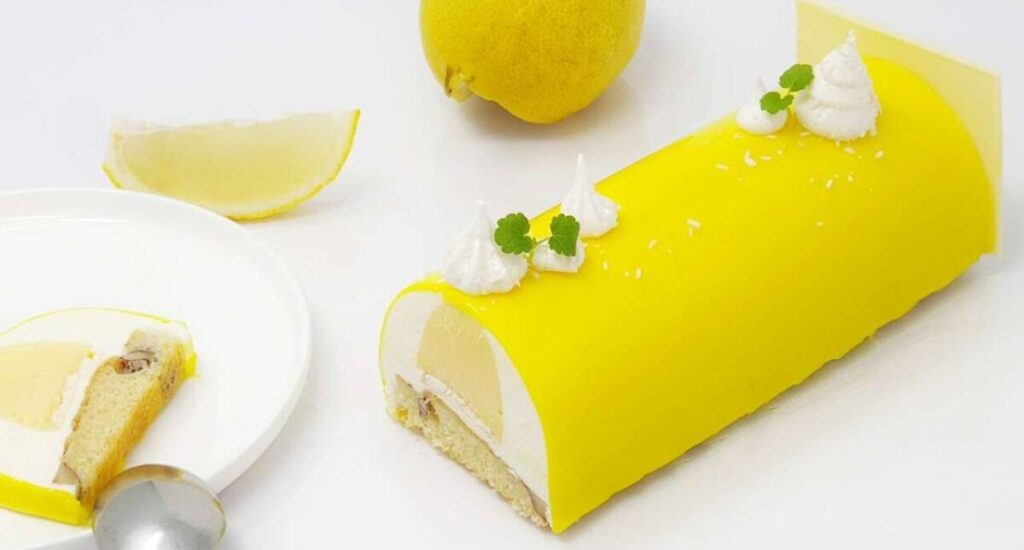
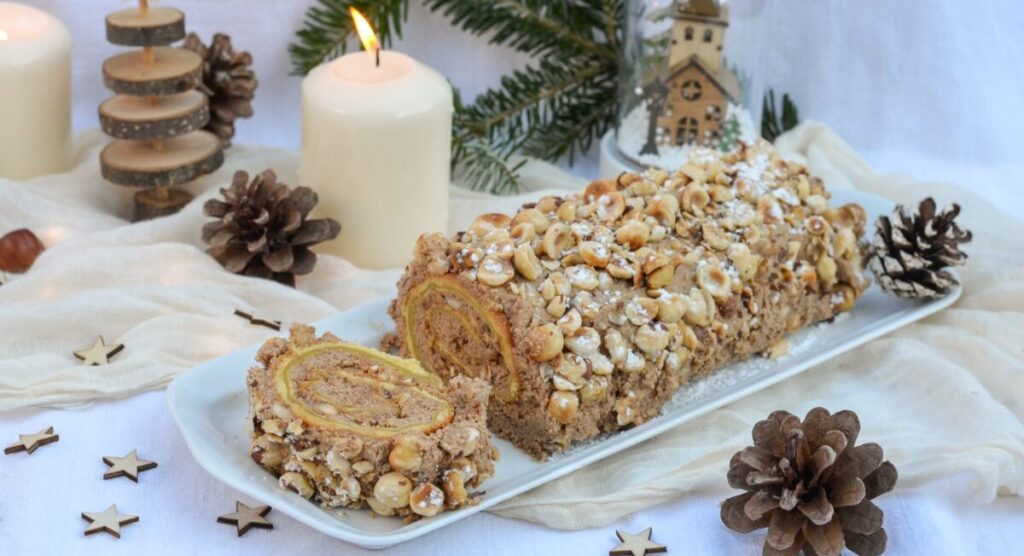
Today, you’ll find bûches in every form—classic chocolate, fruity spirals, nutty pralines, glossy modern entremets, or playful reinterpretations sculpted like forests, wreaths, or snow globes. Some families still swear by the homemade version, made with family as holiday music plays in the background. Others line up at their neighborhood bakery to claim one of the season’s limited-edition creations.
In all its variations, the bûche de Noël stands as a signature French creation, providing a final flourish to the holiday table, and a small piece of history served once a year.
1. Classic Chocolate–Vanilla Bûche de Noël
The timeless French bûche.
This is the version most French families grew up with: a light cocoa sponge rolled around vanilla cream and coated in rich chocolate ganache. It’s the closest descendant of the original 19th-century pâtissier-made bûches, which were decorated to look like real wooden logs. A nostalgic, no-fail staple—simple, elegant, and universally loved.
Prep Time: 1 hour Servings: 8
Ingredients
For the sponge cake:
4 large eggs
3/4 cup granulated sugar
1 cup all-purpose flour
1/4 cup unsweetened cocoa powder
1 tsp baking powder
Pinch of salt
For the vanilla cream filling:
1 cup heavy cream
3 tbsp powdered sugar
1 tsp vanilla extract
For the chocolate ganache:
1 cup heavy cream
8 oz dark chocolate, chopped
Instructions
Preheat the oven to 400°F. Line a 10×15-inch jelly roll pan with parchment paper.
Beat eggs and sugar until pale and fluffy.
Whisk dry ingredients together and fold them into the egg mixture.
Spread batter evenly in the pan and bake for 10–12 minutes.
Turn the cake onto a clean towel dusted with cocoa powder, roll it up, and let it cool.
Whip cream, powdered sugar, and vanilla until stiff peaks form.
Unroll the cake, spread with vanilla cream, and roll again.
For the ganache, heat the heavy cream until steaming, pour over the chocolate, let it sit, then whisk smooth.
Frost the log and use a fork to create a bark-like texture. Chill in the fridge for at least 30 minutes before slicing.
2. Raspberry–Pistachio Bûche de Noël
Bright, fruity, and reminiscent of the French Riviera.
This combination has become a modern favorite in French pâtisseries. Pistachio brings a silky, nutty depth while raspberries add fresh acidity—together, they make a lighter, more contemporary bûche that still feels festive. It’s a perfect choice for those who prefer something refreshing after a rich holiday meal.
Prep Time: 1 hour Servings: 8
Ingredients
For the sponge cake:
4 large eggs
3/4 cup granulated sugar
1 cup all-purpose flour
1 tsp baking powder
Pinch of salt
For the pistachio cream:
1 cup heavy cream
3 tbsp powdered sugar
3 tbsp pistachio paste
For assembly:
1 cup fresh raspberries
1/4 cup raspberry jam
Instructions
Prepare the sponge cake as in recipe 1 (without cocoa powder).
Roll the cake in a towel and let cool.
Whip heavy cream with powdered sugar and pistachio paste.
Unroll the cake, spread on a thin layer of raspberry jam, add the pistachio cream, and scatter fresh raspberries on top.
Roll the cake tightly and dust with powdered sugar or cover with more pistachio cream.
Chill for at least 30 minutes before serving.
3. Citrus Bûche de Noël (Lemon–Orange)
The sunny winter bûche.
Citrus desserts have a long history in Provence, where winter oranges and lemons brighten cold days. This zesty bûche echoes that southern tradition with its fresh cream and vibrant aroma. It’s the kind of dessert that wakes up the table—bright, fragrant, and beautifully golden.
Prep Time: 1 hour Servings: 8
Ingredients
For the sponge cake:
4 large eggs
3/4 cup granulated sugar
1 cup all-purpose flour
1 tsp baking powder
Pinch of salt
For the citrus cream:
1 cup heavy cream
1/3 cup lemon curd
Zest of 1 orange
2 tbsp powdered sugar
For topping:
Candied orange slices (optional)
Instructions
Prepare sponge cake as in recipe 1 (without cocoa powder).
Roll the cake in a towel and let cool.
Whip heavy cream, lemon curd, orange zest, and powdered sugar until thick.
Unroll the cooled sponge, spread citrus cream on top, then roll it back up.
Dust the cake with powdered sugar and decorate it with candied orange slices.
Refrigerate until ready to serve.
4. Full Hazelnut Praline Bûche
For praline lovers—pure indulgence.
Hazelnut praline is a classic of French pastry, especially in northern regions where nut-based confections date back centuries. This bûche is rich, silky, and deeply aromatic, often compared to a festive cousin of the Paris-Brest. A crowd-pleaser for anyone who loves that toasted, buttery depth.
Prep Time: 1 hour Servings: 8
Ingredients
For the sponge cake:
4 large eggs
3/4 cup granulated sugar
1 cup all-purpose flour
1 tsp baking powder
Pinch of salt
For the hazelnut cream:
1 cup heavy cream
1/3 cup hazelnut praline paste
2 tbsp powdered sugar
For topping:
1/2 cup crushed toasted hazelnuts
4 oz milk chocolate, melted (optional drizzle)
Instructions
Prepare sponge cake as in recipe 1 (without cocoa powder).
Roll the cake in a towel and let cool.
Whip the heavy cream with praline paste and powdered sugar.
Spread the hazelnut cream on the unrolled cake and roll it again.
Coat the cake with a thin layer of cream and press crushed hazelnuts onto the surface.
Drizzle melted milk chocolate if desired.
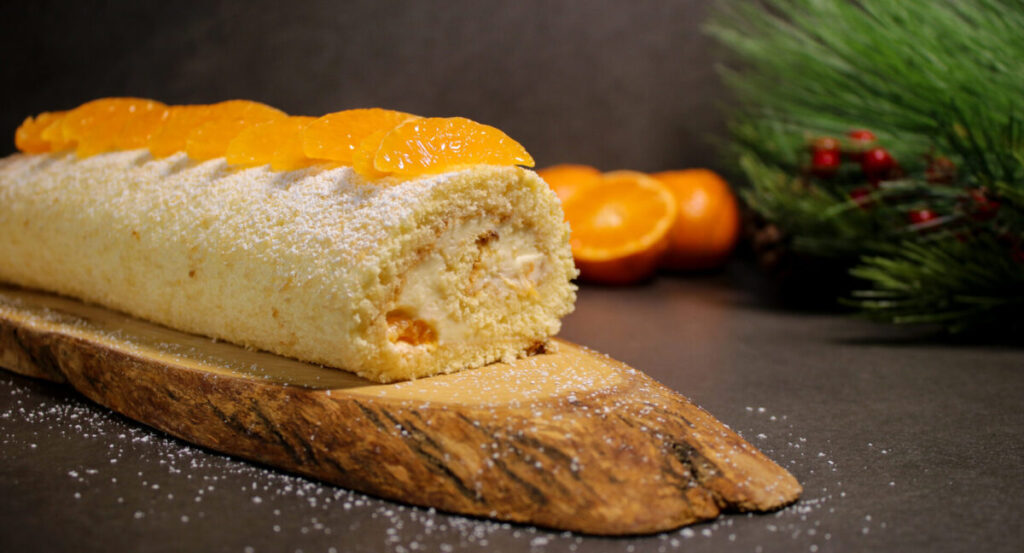
5.Clementine–Champagne Bûche de Noël
Delicious tangerine cake roll with vanilla buttercream filling on wooden plate, grey table, holiday winter dessert
The chic, celebratory bûche.
This elegant flavor pairing feels almost tailor-made for the holidays. Clementines are a nostalgic December fruit in France—often found in children’s shoes on Saint Nicholas Day—while Champagne brings a festive sparkle. Together, they create a light, refined bûche perfect for New Year’s tables or upscale holiday dinners.
Prep Time: 1 hour Servings: 8
Ingredients
For the sponge cake:
4 large eggs
3/4 cup granulated sugar
1 cup all-purpose flour
1 tsp baking powder
Pinch of salt
For the Champagne cream:
1 cup heavy cream
1/4 cup Champagne (or sparkling wine)
3 tbsp powdered sugar
For the clementine layer:
4–5 clementines
2 tbsp lemon juice
½ cup sugar
3 large eggs
4 tbsp unsalted butter
Instructions for the clementine curd
Zest and juice the clementines, then reserve half the zest for later.
In a saucepan, whisk together the clementine juice, lemon juice, clementine zest, sugar, eggs, and salt.
Cook over low heat, stirring constantly, until the mixture thickens enough to coat the back of a spoon (about 8–10 minutes).
Remove from the heat and whisk in the butter until smooth.
Strain for extra silkiness, then pour into a jar.
Let cool, then refrigerate.
Instructions for the cake
Prepare sponge cake as in recipe 1 (without cocoa powder).
Roll the cake in a towel and let cool.
Whip heavy cream, Champagne, and powdered sugar until fluffy.
Unroll the cake, spread a thin layer of clementine curd on top, sprinkle on the reserved clementine zest, then add the Champagne cream.
Roll the cake up gently and chill.
Dust with powdered sugar and garnish with clementine slices or more zest.
Valentine Marchou is a French journalist with a keen eye for culture, lifestyle, and society. After honing her skills in several French newsrooms, she now aims to tell stories that bridge French and English-speaking worlds through art, food, and everyday life.