
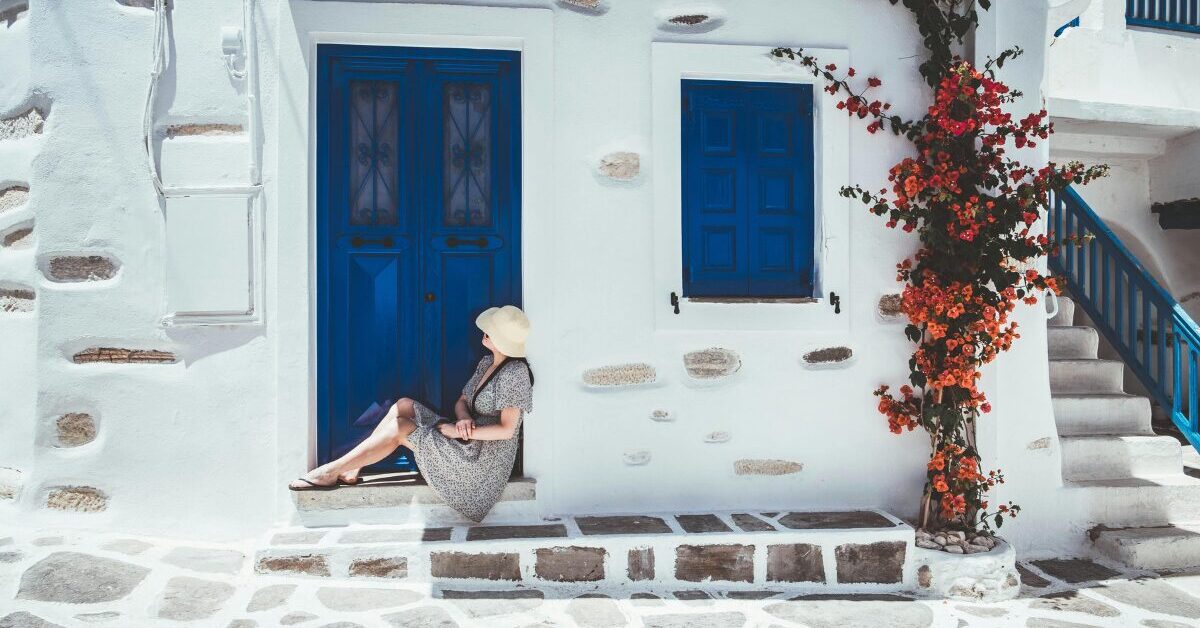
[Sponsored Post] Paros has hit a tipping point. It’s no longer just a secret between travelers in the know. Instead, it has become a new standard for the Aegean. But the draw here is not about checking another Greek island off a list; the island is a necessary retreat from the performative exhaustion that now defines the modern Mediterranean summer. While Mykonos spent the last decade morphing into a stage for the global elite, Paros took a different path. It refined itself and kept its pulse but lost the noise. There is a gravity here that pulls in anyone tired of the velvet rope culture currently dominating the rest of the Cyclades.
Trading Crowded Resorts for Local Seclusion
Securing a luxury villa in Paros has become the definitive move for the traveler who’s already exhausted the grand tours of the Amalfi Coast or the French Riviera and found them lacking. Those places are beautiful, but they are now known to be crowded and loud. They’re the spots where influencers go for the perfect post. But landing at the small Parian airport or stepping off a ferry from Piraeus brings a genuine sense of relief. The island offers a landscape where the buildings are designed to vanish into the scrubland and the ancient marble cliffs. You aren’t there to be seen. You’re there to disappear.
This shift toward the private luxury villa is a response to a very specific desire for heritage mixed with actual utility. For many, the choice used to be binary: the manicured elegance of the French Riviera or the rugged, colorful charm of the Italian Riviera. However, even the most dedicated Mediterranean enthusiasts are looking further east for that same level of exclusivity without the stifling crowds. Paros delivers exactly that. The newer builds on the island have moved away from the glossy “sugar-cube” buildings that define the Cyclades. Today, a top-tier residence is more likely to be a collection of low-slung stone volumes that prioritize views of the horizon over the vanity of the architecture.
In the heights above Parikia or the quiet corners of Ampelas, these homes use the island’s legendary white stone to keep interiors naturally cool, even when the late summer sun is aggressive. It feels less like a rental and more like a private gallery. The floor plans are often erratic, mirroring the old goat paths that still cut through the hills. That lack of corporate uniformity is exactly why the island works as a viable alternative to the more manicured, predictable European hotspots.

The Unpolished Appeal of Naoussa
Naoussa remains the island’s social anchor, but it still looks like a working port. Even with the boutiques and the cocktail bars, you have to step around fishing nets on the docks. Fishermen mend their gear right next to tables where people drink local wine. That duality is important. It provides a texture that many overcrowded islands have polished away. When you leave your villa for the evening, you aren’t usually heading to a club with a guest list. You’re going to a taverna for local lamb or grilled fish, for a high-quality, authentic experience.
Choosing a villa over a hotel is an exercise in control. As Paros gets more popular, having your own space is the only way to maintain a sense of discovery. You get a vantage point. You can watch the island from a distance without getting caught in the mid-day heat or the ferry terminal crowds. These properties are now incredibly well-equipped. We see saltwater pools and outdoor kitchens that rival those in high-end Paris apartments. You can have someone bring in local produce or cook for you on the terrace. It allows you to stay in your own bubble for days if that’s what you desire.
Mapping the Island’s Neighborhoods
The island is deceptively large. Where you stay changes everything. To the south, near Aliki, the vibe is family oriented and protected. The water is flatter. The homes are traditional, tucked away in olive groves. This is where the pace slows to a crawl, and the biggest decision you face is which cove has the best shade for a swim.
On the eastern side, near Marpissa and Golden Beach, the energy is different. It’s dictated by the Meltemi winds. It is the heart of the island’s sporting life, the perfect base for windsurfing or hiking the old Byzantine paths toward Lefkes. That mountain village remains one of the most striking spots in the Aegean—a labyrinth of marble streets that feels entirely disconnected from the coastal rush. Then there is the north. That is where the architectural heavyweights are. High-concept homes overlooking Naoussa Bay offer access to the best food on the island while maintaining a stony, silent distance from the port’s nightly bustle.
Making the Case for Slow Travel
Modern travel has a habit of ruining the very things that make a place special. Popularity usually leads to a loss of soul. But Paros is in a sweet spot right now. It has world-class infrastructure, but it still feels like a rural outpost, retaining its unique charm. It attracts people who care more about the quality of the light and the depth of the local history than the price tag. For anyone planning a summer séjour, the real draw is the quiet. It is the ability to sit on a terrace with a book, looking at a blue horizon that has inspired poets for three thousand years, without hearing a car horn all day.
The rise of the island comes down to the luxury of time and the preservation of space. It marks a return to the idea that a holiday should be restorative. It shouldn’t be a series of stressful reservations or competing with other tourists for a photo at sunset. In a world that is getting louder, finding a corner of the Aegean that still feels vast is what matters. Paros provides that. It offers a rare glimpse of ancient Greece, perfectly suited for someone seeking calm.
—
Sponsored articles do not belong to the editorial team at Frenchly. They are provided or written at the request of the advertiser, who determines the content.


